India Likely to See Below-Normal Rainfall in July

1 July 2026 11:40 AM IST1 July 2026 11:40 AM IST
IMD warns of below-normal July monsoon due to strengthening El Niño, raising concerns over agriculture, water resources and heat stress.
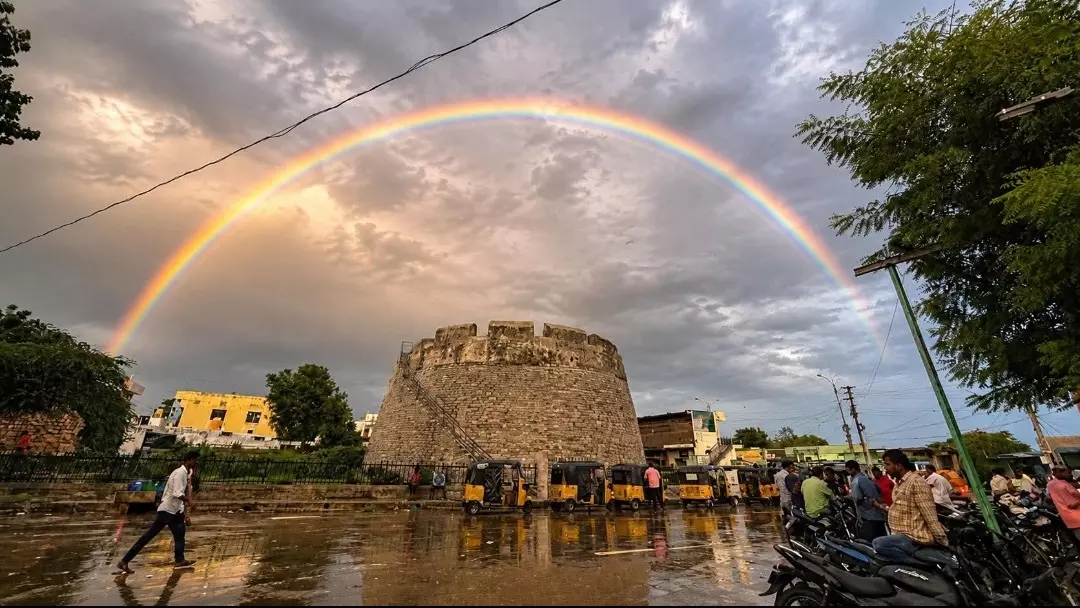
India is expected to receive below-normal rainfall in July after recording its fifth-driest June since 1901, with the IMD attributing the shortfall to the strengthening El Niño.
India is likely to see below normal rainfall in July after recording its fifth-driest June since 1901, forecasters said Tuesday, raising concerns over agricultural output. Hundreds of millions of people in India rely on the annual monsoon winds to bring vital rains that sustain agriculture and industry.
However, climate change is making the country hotter and shifting weather patterns, and the presence of the El Nino weather phenomenon this year has brought warnings of lower rainfall.
The rainfall for July is expected to be below 94 percent for the long period average, India Meterological Department (IMD) said Tuesday.
Low rainfall may pose challenges for "agriculture, water resources", the IMD said, adding that such conditions may spike risk of heat stress.
"To reduce potential impacts, timely planning and preparedness measures, including water conservation, efficient management of available water resources, and suitable agricultural contingency measures, may be considered by the concerned agencies and stakeholders," the IMD said in a statement.
Monsoon rains sweep the north over several weeks, providing rain for farmers to plant their crops -- a crucial lifeline for a sector that supports 45 percent of people in the world's most populous country. IMD's director general said Tuesday the country had recorded its fifth driest June since 1901.
The strength of El Nino phenomenon, which was the reason for low rainfall in June, would increase in the coming months, said IMD director-general Mrutyunjay Mohapatra.
El Nino is a naturally occurring climate phenomenon that brings worldwide changes in winds, air pressure and rainfall patterns. It typically causes drier conditions in India and Southeast Asia.
( Source : PTI )

Next Story