Globally, Russia and the US still hold about 90 per cent of the world’s estimated 12,241 warheads, with 5,459 and 5,177 respectively
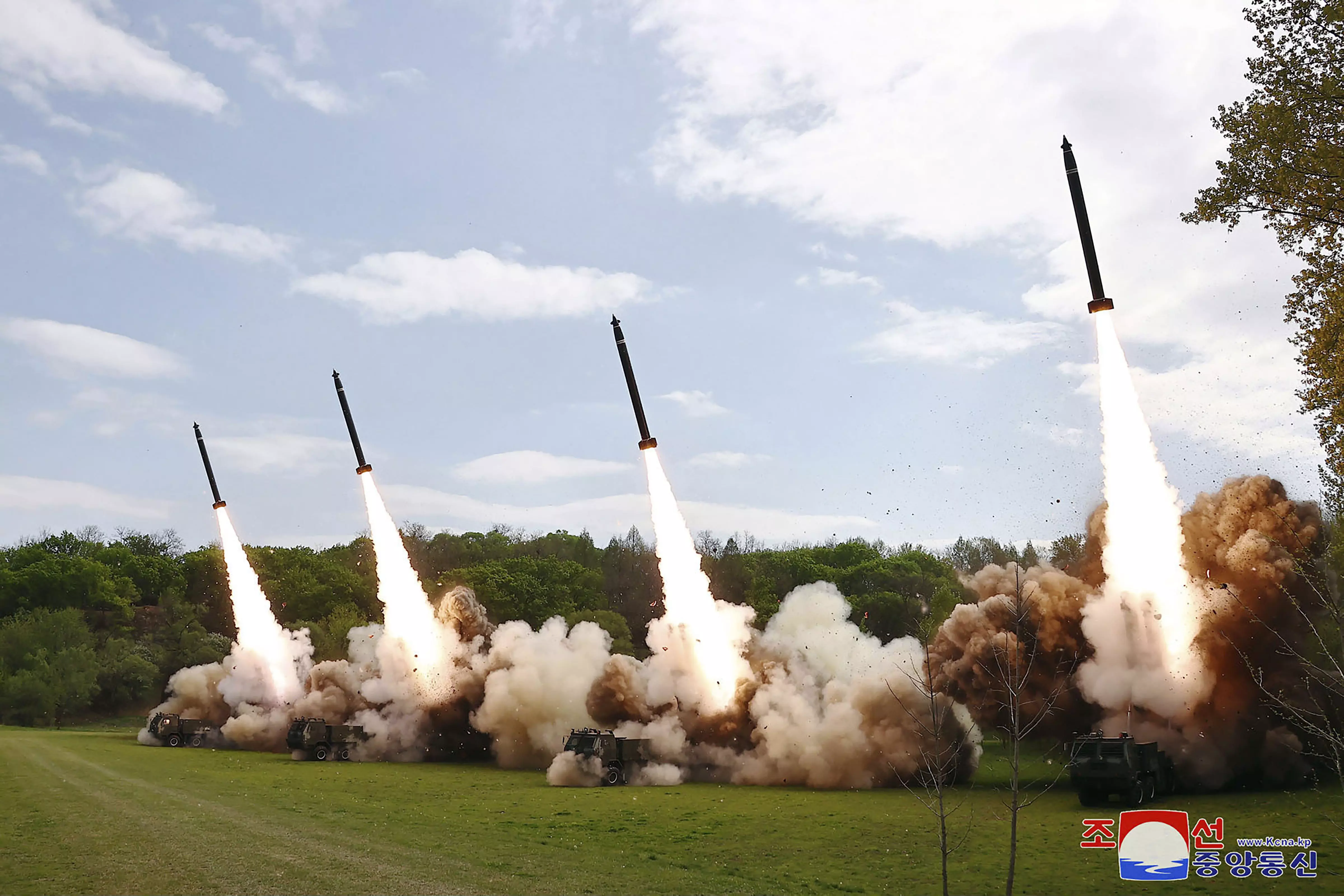
India's Nuclear Advancements: India is enhancing its nuclear capabilities, expanding its arsenal to 180 warheads by 2025 while developing advanced delivery systems.
- The Agni-P and Agni-5 missiles showcase India's advancements in nuclear technology.
- Concerns arise over potential escalation in conflicts with Pakistan amidst ongoing nuclear developments.
New Delhi: India has widened its lead over Pakistan in the nuclear arms race and recorded notable progress in advanced delivery systems, according to the latest yearbook from the Stockholm International Peace Research Institute (SIPRI). The report estimates that India’s stockpile grew from 172 warheads in 2024 to about 180 in 2025, while Pakistan’s arsenal remained stable at roughly 170. SIPRI notes that New Delhi continued work on “canisterised” missiles, road- or rail-mobile systems capable of carrying mated warheads during peacetime and, once operational, potentially multiple warheads on a single missile. Islamabad also pressed ahead with new delivery platforms and the accumulation of fissile material, indicating its stockpile could grow over the next decade.
Matt Korda, an associate senior researcher with SIPRI’s Weapons of Mass Destruction Programme, warned that attacks on strategic infrastructure combined with disinformation “risked turning a conventional conflict into a nuclear crisis,” calling the incident a stark reminder of the dangers of increased reliance on nuclear weapons.
Globally, Russia and the US still hold about 90 per cent of the world’s estimated 12,241 warheads, with 5,459 and 5,177 respectively. China remains a distant third but is expanding faster than any other power, now fielding roughly 600 warheads, an increase of about 100 each year since 2023, and constructing or finishing some 350 new intercontinental ballistic-missile silos. Even if Beijing reaches a projected 1,500 warheads by 2035, its arsenal would still be only one-third of current Russian or US stockpiles. SIPRI cautions that without a follow-on to the 2010 New START treaty, which expires in February 2026, deployed strategic warhead numbers in both Washington and Moscow appear likely to rise.
The think-tank’s survey shows all nine nuclear-armed states, the US, Russia, the United Kingdom, France, China, India, Pakistan, North Korea and Israel, continued intensive modernisation programmes in 2024, replacing ageing warheads and fielding new variants. Hans M. Kristensen, another senior SIPRI researcher, said the post-Cold-War era of reductions “is coming to an end,” replaced by growing arsenals, sharper nuclear rhetoric and the steady erosion of arms-control agreements.
Of the world’s total inventory, SIPRI calculates that 9,614 warheads are in military stockpiles for potential use, with about 3,912 already deployed on missiles or aircraft. Roughly 2,100 of those are on high operational alert—nearly all in Russian or U.S. forces—though China is now thought to keep a small number of warheads mated to missiles during peacetime.