Why Slow Cooking Is Making a Comeback in Modern Indian Kitchens

1 Sept 2026 10:12 PM IST1 Sept 2026 10:12 PM IST
Cooking slowly over low heat ensures that collagen gets broken down, the flavours get mingled, and the starches become thickened naturally, none of which is possible if you hurry the cooking process.
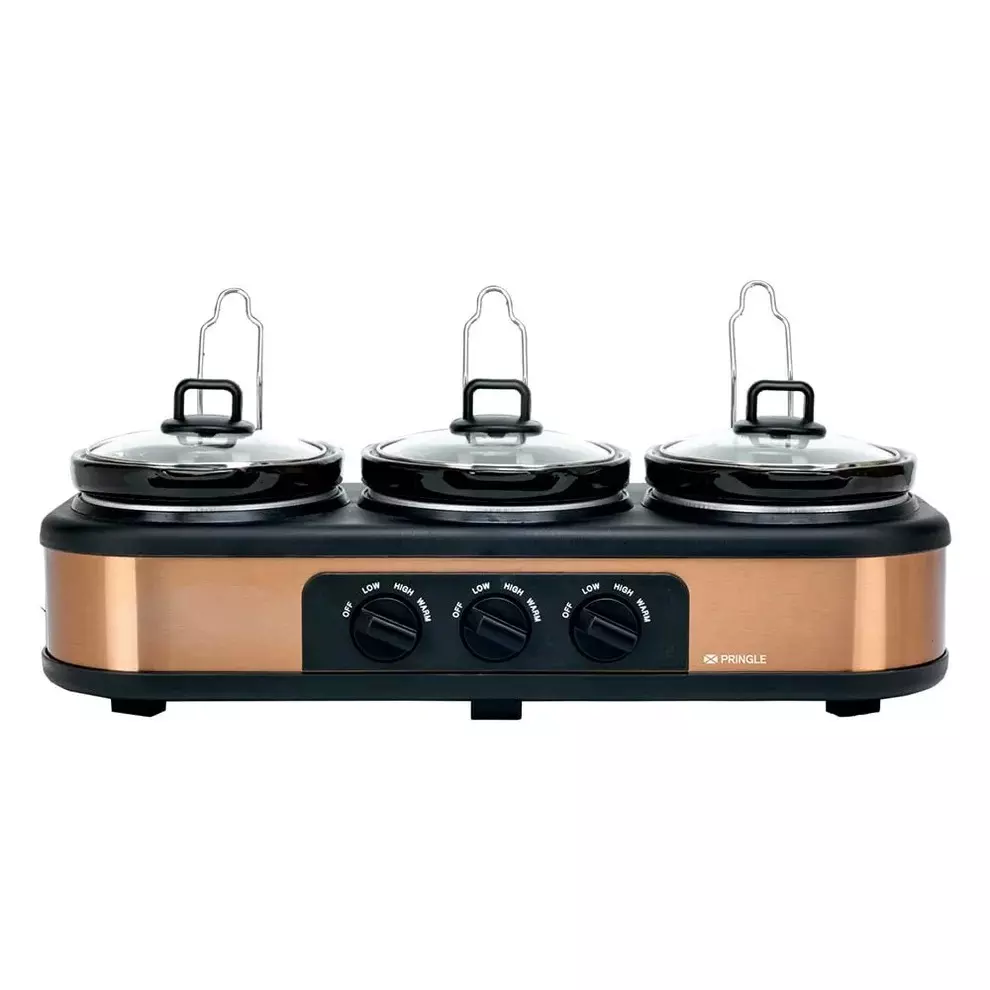
Representational Image
For a while, speed was the whole point. Pressure cookers whistled their way into every Indian kitchen decades ago precisely because they cut cooking time in half, and more recently, quick-commerce apps promised entire meals delivered before you'd even finished setting the table. Somewhere in that rush, though, a quieter habit has been creeping back in: people are choosing to cook slow again, on purpose.
It sounds counterintuitive. Why would anyone go back to a method that takes hours when faster options exist at the push of a button? But spend a little time in kitchen groups, food forums, or even just conversations with home cooks, and the reasoning becomes clear. Slow cooking isn't really about speed at all; it never was. It's about what happens to food when it's left alone to do its own thing.
More Than Nostalgia - It's About Flavour
There is a big difference in taste between dal that has been slowly cooked on a low flame for two hours and dal that is pressure cooked within ten minutes. The lentils will be broken down evenly, the spices will have infused into the meal instead of merely being coated, and there is a certain depth in the meal that cannot be duplicated. Anybody who grew up having his grandmother's 'rajma' or his slowly cooked 'nihari' understands this fact subconsciously, even if they do not understand the process scientifically.
Cooking slowly over low heat ensures that collagen gets broken down, the flavours get mingled, and the starches become thickened naturally, none of which is possible if you hurry the cooking process.
It Fits Busy Lives Better Than You'd Think
There's also a practical shift happening alongside the nostalgic one. More Indian households are dealing with longer work hours and unpredictable schedules, which sounds like it should push people toward faster cooking, not slower. However, the problem has been quietly addressed by slow cookers: put your ingredients in the pot in the morning, walk away, and return after many hours with a dish that was prepared without needing to tend to it along the way.
It’s more about “leave it alone” rather than “stand there,” and this suits our busy world quite well. Slow does not refer to the effort anymore but to the process of cooking.
A Healthier Way to Cook, Almost by Accident
There is health awareness also. The method of slow cooking involves the use of less oil and does not need the extreme and sometimes uneven heat needed in frying and boiling. For a nation that is now giving importance to the ingredients used in their food rather than their taste, this is important.
The other thing that adds value to slow cooking is that slow-cooked foods can be easily made as one dish containing everything together in one vessel. This can become easy for Indian families since most of them cook in the same way.
Where the Right Slow Cooker Comes In
This is really where a good slow cooker earns its place on the kitchen counter, rather than in the back of a cupboard. Pringle's range of electric slow cookers is built around exactly this kind of everyday, hands-off cooking: ceramic pots that hold and distribute heat evenly, glass lids so you can check on your food without letting the heat escape, and a keep-warm function for whenever dinner ends up happening later than planned.
The lineup runs from a compact 1.5L single-pot cooker for smaller households right up to the FW1806 Electric Triple Slow Cooker, a 4.5L set of three 1.5L ceramic pots that can simmer a dal, a curry and a side dish all at once practical for family meals- and just as handy when you're hosting and want food to stay warm through a long evening without drying out or overcooking.
The Comeback Is Also Playing Out Online
Social media hasn’t failed to contribute to this resurgence, although in a roundabout way. Recipes that were formerly all about three-minute videos and quick tips have increasingly found room to make way for their opposites – slow videos of bubbling stews, curries turning golden with hours of cooking, and kitchens brimming with smells of food cooked since dawn. There is a charm to the process of watching food cooking in a world where everything else needs to be immediate.
Slow Isn’t Replacing Fast; It’s Supplementing It
This does not mean that there is any threat to the pressure cooker or the fast-food culture; most Indian kitchens require both at one time or another. But the return of slow cooking says something about what people are looking for beyond just convenience. It's flavour that can't be rushed, food that requires a little trust in the process, and maybe a small act of resistance against a culture that's constantly asking everything to move faster.
The article has been authored by Mr Vijay Singhania and Mr Ajay Singhania, Managing Directors, Pringle Homeware and Singhania Overseas
( Source : Guest Post )


Next Story