From Food Security to Nutrition Security

With malnutrition rising despite food self-sufficiency, experts call for integrating dairy into national programs to ensure balanced nutrition for children and families
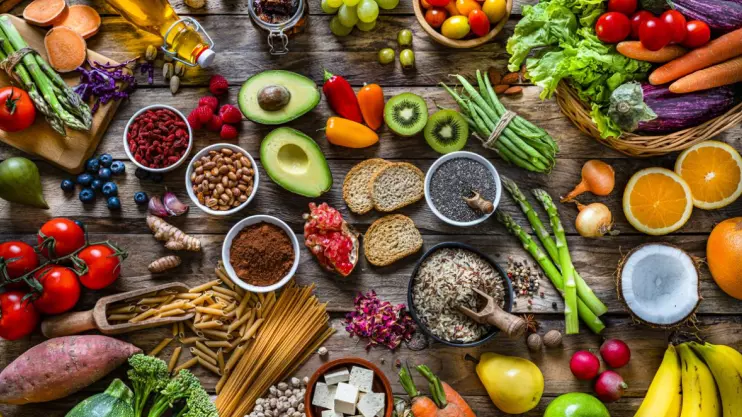
When independent India struggled with consecutive famines from 1964 to 1966, the biggest concern for the government was to save lives by ensuring that food is available for all the citizens and is affordable. Legendry scientist MS Swaminathan led the green revolution in India increasing the production of food grains ensuring India’s self-sufficiency in food grains. To ensure affordability, a large public distribution system was created which subsidized essential stables like wheat and rice. For decades, our policy focused on food security—ensuring that every citizen has access to sufficient food to survive. This policy was a big success that ensured India never faces a famine again.
Bhupendra Suri
We have come a long way from those desperate times. India is self-sufficient in food staples and has not seen famines since Bihar famine in 1966-67. Now is the time to aim higher – from mere hunger prevention to ensuring nutrition.
India faces a paradox today – the double whammy of malnutrition and lifestyle diseases. We are self-sufficient in food production but still malnutrition is widespread. National Family Health Survey (NFHS-5) estimates, that 67.1% of children and 59.1% of adolescent girls in India are anemic.[1] The malnutrition of our children today means inhibited physical growth and impaired cognitive development. When they enter workforce they will have lower productivity, slowing India’s economic growth. Malnutrition also increases healthcare costs for these individuals for life.
Lifestyle issues like obesity, hypertension, heart ailments, etc. have a high occurrence in India. This is driven mainly by India’s reliance on food grains, which are high on carbohydrates, for nutrition. Result – deficiency of protein, vitamins and essential fats and a much higher consumption of carbohydrates.
It is a time for national policy rethink. The need of the hour is to move from food security to nutrition security. This requires bold & innovative policy changes – diversifying the food basket to ensure a balanced diet and quality of nourishment. The solution to this issue lies in shifting the focus from grains to more wholesome nutrition. The solution needs to be culturally rooted in India’s traditions, so that it can easily assimilate in our existing diet patterns. The best candidate for this is – Dairy.
India is the world’s largest producer and consumer of milk and dairy products like curd and paneer. Dairy is one of the most affordable, accessible and culturally acceptable sources of protein, calcium, vitamins and other essential nutrients. It is a cost-effective tool to achieve the nutritional goals for India. It is the time that our national policy utilizes its potential.
We need to integrate dairy products in our national programs like Mid-Day Meal (MDM), Integrated Child Development Services (ICDS) and Public Distribution System (PDS) to eliminate protein deficiency and provide wholesome nutrition to our children as well as make it affordable for families.
With a change in focus towards ensuring balanced diet and nutrition, these programs need to reorient themselves towards the larger goal. Public distribution system needs to move from just food grains to milk powder & paneer providing an affordable source of rich nutrition. The mid-day meal program can diversify the food basket and include dairy products like fortified milk, paneer and curd to provide a wholesome nutrition with required protein for the children.
This needs to be supported from the supply side to ensure a higher production. Government’s support for the dairy farmers needs a step up. Availability of credit for purchase of cattle as well as a support for newer technologies that produce superior breeds of cows.
We can also tap on India’s innovation potential, through public -private partnership. This can spur the growth of innovative products and services that can solve the problems that we face on the path towards better nutrition.
Lastly, there is a need for public education on better nutrition through multi-channel campaigns, spreading awareness about the need for a balanced diet and nutrition.
As India aspires to be a global leader, it needs a healthy, strong and resilient human resource. We must invest in our human capital. Ensuring complete nourishment for our children today, will ensure that tomorrow’s workforce have healthy bodies and strong minds. Government and India Inc together need to take equal responsibility for this. But for a systemic change, we need a policy shift that recognizes nutrition as the new national imperative.
The article is Authored by Bhupendra Suri, CEO of Godrej Jersey
