Bhopal Gas: Months After Incineration Of Union Carbide Toxic Waste, Disposal Of It's Ash Awaited

Tests conducted on the toxic ash still reveal the presence of mercury, which is higher than the permissible limits
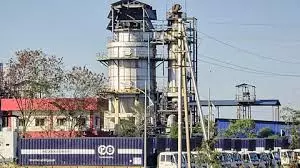
Bhopal: The disposal plan for the 899 tons of the residual ash, generated from the incineration of the toxic remains of the 1984 Bhopal gas tragedy, has been left in limbo for the past six months following the directive by the Madhya Pradesh high court barring the state government from burying them near the human habitations.
The hiccup over the burial of the toxic residue ash developed after the high court rejected the state government’s plan to build landfills around 500 meters from the human habitation in Pithampur in Madhya Pradesh’s Dhar district, for the scientific disposal of the residues.
The high court expressed concern over the mercury being found beyond the permissible limit in the residual ashes of incinerated toxic wastes, as admitted in its report by the Madhya Pradesh Pollution Control Board (PCB), and directed the PCB to find the alternative landfill sites away from human habitations, vegetations and water sources, wondering if any structure could withstand unforeseen natural disaster like earthquake.
“Breach (of the structure) could trigger another disaster in waiting”, the division bench of the high court comprising Justices Atul Shreedharan and Justice Pradeep Mittal said in its order issued on October eight this year.
The court’s directive has created confusion among the PCB officers over the identification of the landfill sites, leading to delay in the disposal of the toxic residual ashes, a senior PCB officer told this newspaper on Tuesday, unwilling to be quoted.
Around four decades after the tragedy struck the ‘Lake City of Bhopal’ following leakage of the deadly methyl isocyanate (MIC) gas from the pesticide plant of Union Carbide factory here on the intervening night of December two-three, killing around 20,000 people, 337 tons of toxic wastes, stored in the premises of the defunct factory after the mishap, were shifted to Pithampur in January this year for disposal.
After 55-day incineration of the toxic wastes carried out in May and June this year, 899 tons of residual ashes were generated.
The residual ashes have now been stored at the disposal site waiting for the identification of the landfill sites for their burial.
