Odisha Monsoon Rainfall Rises 11%, Extreme Heat to Intensify: CEEW

According to CRAVIS, Odisha's average monsoon rainfall rose from 1,052 mm during 1981–2010 to 1,159 mm during 2011–2024.
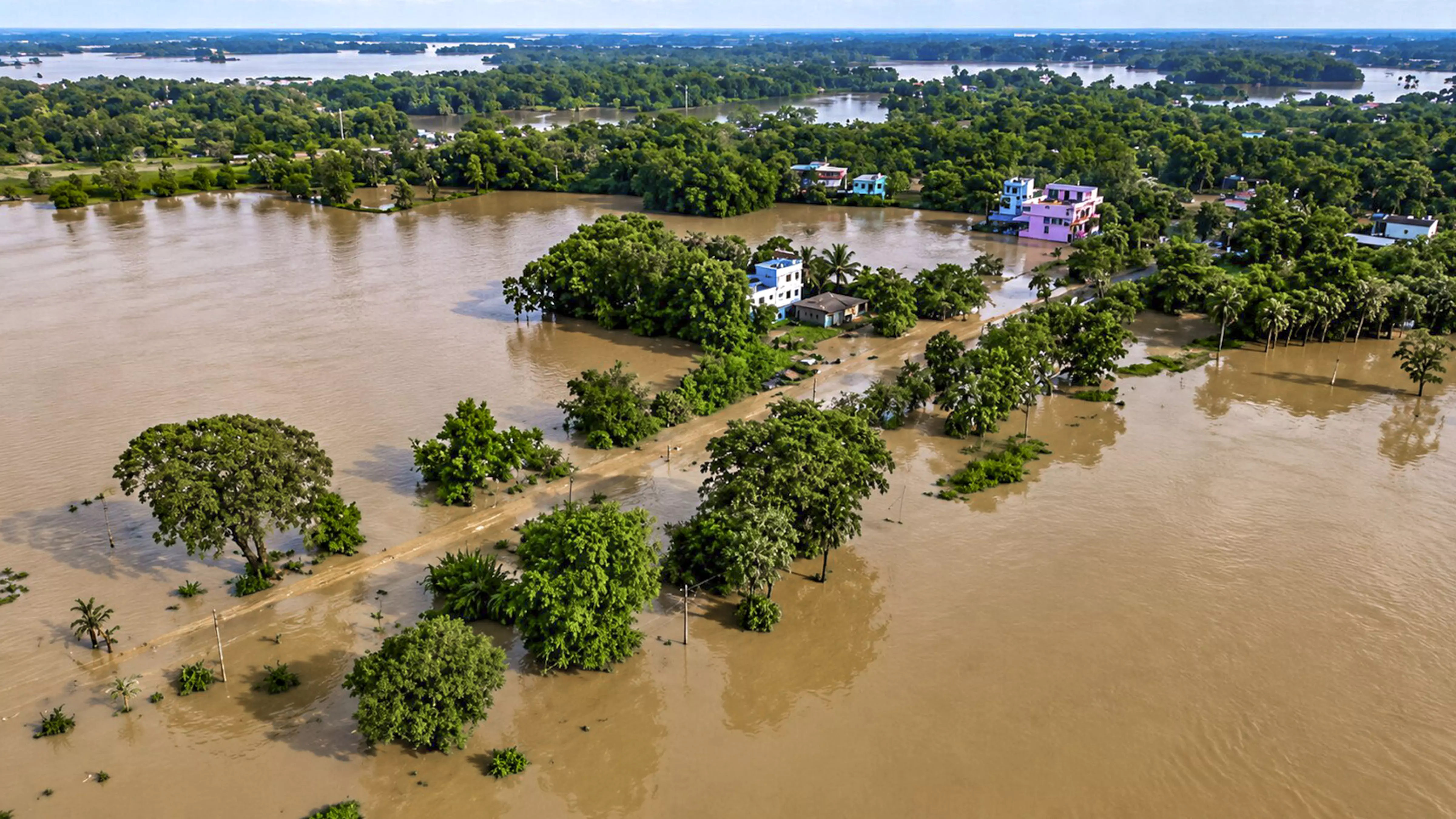
Bhubaneswar: Odisha's monsoon rainfall has increased by 11 per cent over the past four decades, even as the state faces rising temperatures, warmer nights and greater variability in rainfall, according to the Council on Energy, Environment and Water (CEEW).
At a knowledge-sharing roundtable in Bhubaneswar on Wednesday, titled “Strengthening Climate Resilience through AI-Driven Climate Decisions and Actions,” CEEW researchers highlighted emerging climate risks for Odisha through its Climate Resilience Analytics and Visualisation Intelligence System (CRAVIS), an AI-powered climate intelligence platform.
According to CRAVIS, Odisha's average monsoon rainfall rose from 1,052 mm during 1981–2010 to 1,159 mm during 2011–2024. It is projected to rise moderately to 1,211 mm during 2031–2050 and 1,309 mm during 2051–2070. However, the increase is unlikely to be uniform, with districts potentially experiencing increasingly uneven and erratic rainfall patterns.
The state is also expected to experience a sharp rise in extreme heat. During 1981–2010, 37 per cent of Odisha's districts recorded 61–80 days annually with maximum temperatures above 35°C, while 27 per cent recorded 80–89 such days. By 2031–2050, 40 per cent of districts are projected to experience 108–121 days above 35°C annually, while another 20 per cent could see 121–137 such days.
Night-time heat is emerging as an equally serious concern. The average number of nights with minimum temperatures above 25°C increased from 67 days during the baseline period to 71 days in 2011–2024. This could rise sharply to 138 nights annually by 2031–2050 and 146 nights by 2051–2070.
Dr Vishwas Chitale, Fellow, CEEW, said CRAVIS could help policymakers and other stakeholders use district-level climate intelligence for heat action plans, urban planning, infrastructure investment and resilience planning.
The changing climate could put additional pressure on Odisha's water resources, agriculture, livestock, public health and rural livelihoods, underlining the need for climate-resilient planning at the district and local levels.
