India’s Pet Healthcare Is Moving Beyond Metros The Next Chapter Is Regional

Upskilling and structured networks will play a critical role in bridging the access gap.”
India’s pet healthcare industry is entering a defining phase of growth. For years, organized veterinary care has been concentrated in metropolitan cities, while a large part of the country has relied on fragmented, single-clinic ecosystems. That imbalance is now becoming harder to ignore as pet ownership rises rapidly across emerging urban markets.
The shift is no longer anecdotal, it is measurable. In many Tier 2 and Tier 3 towns, veterinary access remains severely constrained, with an estimated vet-to-pet ratio of nearly 1:14,000, compared to significantly denser access in metros. At the same time, pet ownership is expanding beyond big cities. Household-level estimates suggest that one in every 10 urban Indian homes now has a pet, with a growing share coming from non-metro regions.
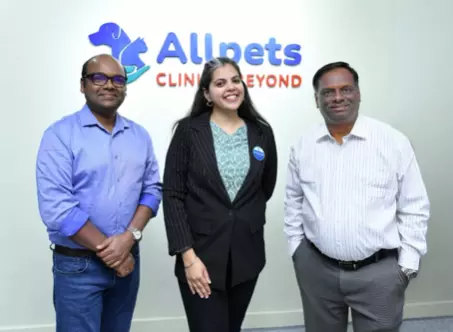
This evolution is already visible on the ground. The launch of a flagship Allpets Clinic and Beyond centre in Hyderabad signals where the sector is headed. Designed as an integrated veterinary ecosystem, the facility brings medical care, advanced diagnostics, emergency services, rehabilitation, and wellness under one roof, reflecting a broader industry move toward scale and structured care delivery.
“The real inflection point for pet healthcare in India will come from outside the metros,” says Arun Kumar, Founder, Allpets Clinic “We are seeing strong demand from emerging cities where pet parents want the same clinical depth and infrastructure available in larger markets. The next phase of growth will be defined by building integrated, accessible care models that can scale across regional India.”
The growth is being driven by a cultural shift. Pets are no longer companions alone, they are family. With that change has come a rise in expectations around medical quality, diagnostics, preventive screening, and long-term wellness. Pet parents today are more informed, more involved, and far more willing to invest in structured healthcare than they were even a decade ago.
Importantly, the growth story is no longer limited to dogs. Cats and exotic pets are among the fastest-growing segments, particularly in apartments and smaller cities. These species require more nuanced clinical expertise, specialized diagnostics, and species-specific care protocols, needs that traditional single-doctor clinics are often not equipped to handle. This is further accelerating the need for organized veterinary ecosystems.
Yet access remains uneven. In many emerging markets, advanced diagnostics, critical care, and specialist-backed treatment remain limited. Smaller cities often lack integrated veterinary infrastructure, creating a widening disconnect between rising demand and available clinical depth. This gap is likely to define the next phase of industry expansion.
“The industry is moving from individual practice models to ecosystem thinking,” notes M Thirumalai, Co –Founder & COO , Allpets clinic “What’s needed now is not just more clinics, but better-trained professionals, standardized protocols, and technology-enabled platforms that can deliver consistent quality of care across cities. Upskilling and structured networks will play a critical role in bridging the access gap.”
Dr. Jasleen Kaur, Founder & Chief Veterinarian, Allpets said, “ Veterinary care in India must go next. Over the past decade, we have seen demand for higher standards, better diagnostics, and structured clinical practices grow rapidly. Clinic & Beyond is built to meet that demand at scale by combining clinical expertise with technology and operational rigor, and by taking advanced care to markets that have long been underserved.”
The future of the sector will depend on building scalable veterinary platforms that combine clinical expertise with robust operational systems. Integrated models can deliver consistency, enable better outcomes, and build long-term trust among pet parents seeking dependable care environments.
India’s pet economy is still at an early stage, but the direction is clear. As adoption rises across regional markets and expectations continue to evolve, the industry will steadily move toward scale, standardization, and stronger regional networks bringing organized pet healthcare closer to communities that have long remained underserved.
