Free Gita Programme Offered to Over 1.2 Million, Testing Sustainability of Open-Access Model

The Foundation had announced the free-access move in early January, describing it as a New Year initiative that opened the Gita Mission without charge to one million people. Since then, the offer has been widened, extending free access to more than 1.2 million people in total.
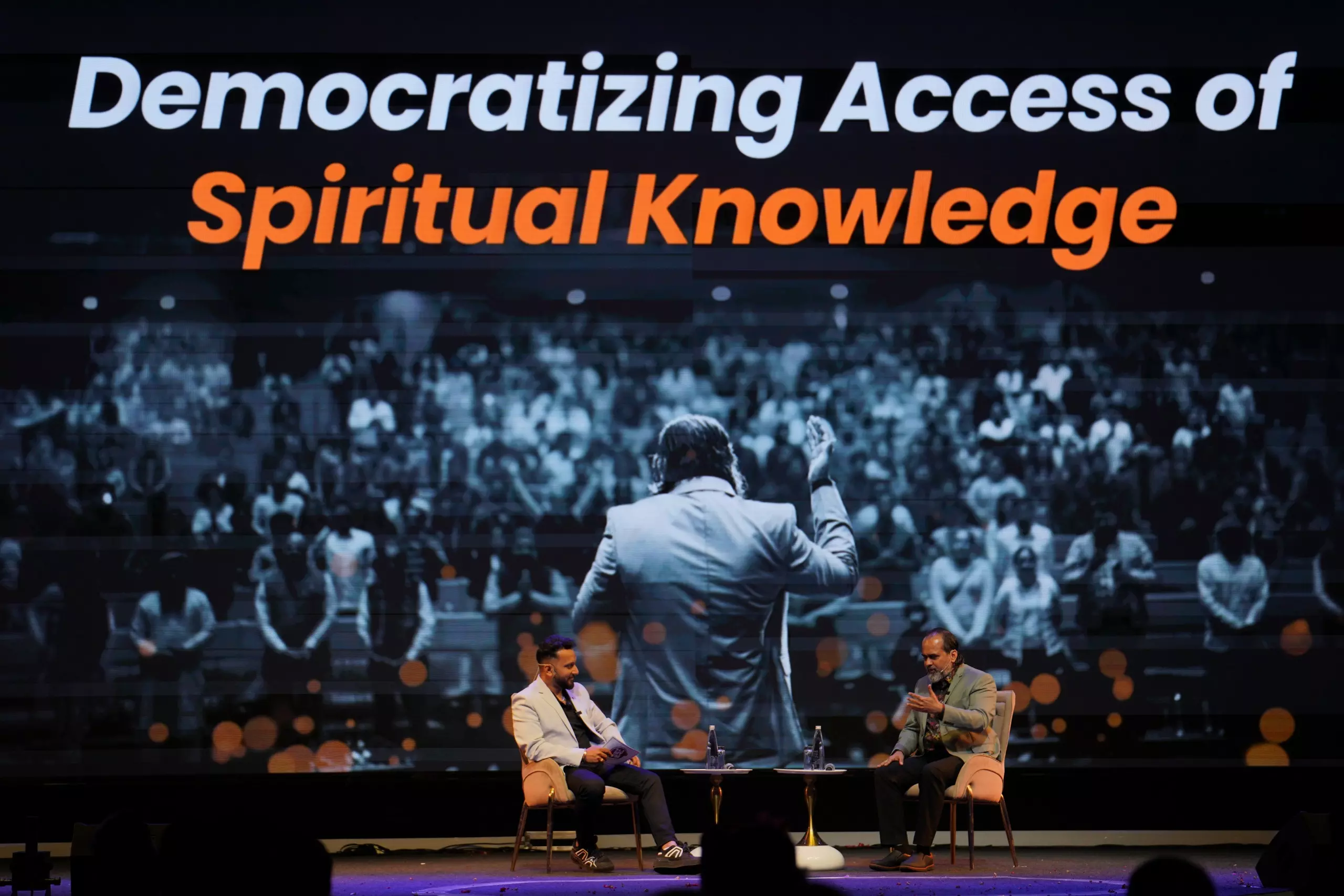
When the Prashant Advait Foundation removed all fees from its Bhagavad Gita programme at the start of the New Year for over one million people, the decision carried an explicit risk. The organisation acknowledged at the time that the move could strain its finances and infrastructure. In the weeks since, the scope of free access has been expanded, taking the total reach to over 1.2 million people, including an additional 200,000 beyond the original New Year offer.
The Foundation had announced the free-access move in early January, describing it as a New Year initiative that opened the Gita Mission without charge to one million people. Since then, the offer has been widened, extending free access to more than 1.2 million people in total.
The programme is run by the PrashantAdvait Foundation and is delivered through the Acharya Prashant app. It offers structured, live study of the Bhagavad Gita, alongside access to a large archive of recorded sessions. Access is offered globally and does not involve registration fees, subscriptions, or tiered access.
The scale of the offer is unusual given the programme’s format. It is not designed as a repository of recorded talks. Those who choose to participate attend scheduled live sessions, submit written reflections, engage in moderated community forums, and may opt to appear for app-based examinations. There are no certificates issued for attendance and no completion-linked incentives.
Until the New Year announcement, the Gita Mission operated on a minimal contribution model, typically between ₹50 and ₹100 per month. Even under that structure, it had reached over 130,000 active participants across more than 100 countries, with growth driven largely by referrals rather than advertising. The decision to remove the contribution requirement was taken earlier this year.
Following the announcement, participation increased rather than stabilised. The programme currently runs five English and up to ten Hindi sessions each month, proceeding verse by verse through Vedantic texts while also drawing on wider philosophical traditions. To date, more than 450 structured sessions have been conducted, amounting to over 10,000 hours of discourse.
A central component of the initiative is its examination system. Seventeen app-based exams are held every month, focusing on comprehension and practical application rather than rote learning. Discussion forums linked to the sessions have seen sustained activity, with users collectively logging hundreds of millions of minutes of live and recorded learning.
This expansion, however, has not come without pressure. The programme operates on digital infrastructure developed over the Foundation’s ten-year history. The Acharya Prashant app has crossed 3.5 million downloads, but the platform was originally designed for long-term learners, not for a rapid expansion of free access at this scale.
The Foundation has publicly acknowledged the operational strain created by the decision. Increased demand has placed pressure on server capacity, live-session logistics, and the availability of counsellors who support participants. It has stated that the move is likely to be financially adverse in the short term and that existing systems were not built for expansion at this pace.
Despite these constraints, the organisation has not reinstated participation fees. Its position, as stated publicly, is that access to scriptural study should not be tied to the ability to pay, and that voluntary contributions from those who are able will support ongoing operations.
The timing of the expansion coincides with the Foundation completing ten years of work. In 2025, it was recognised by the India Book of Records for conducting the largest online Bhagavad Gita examination and for achieving the longest cumulative discourse hours on Vedanta by a spiritual organisation.
With free access widened from one million people at the New Year to over 1.2 million, the initiative has become a live test case for open-access models in structured learning. Whether such scale can be sustained without formal pricing remains uncertain. What is clear is that the challenge has shifted from opening access to maintaining it.
