Semicon 2.0, Mobile Scheme Worth Rs 1.9 Lakh Crore Get Cabinet Nod

15 July 2026 3:57 PM IST15 July 2026 3:57 PM IST
The second edition of the mobile phone production-linked incentives scheme will attract new deals.
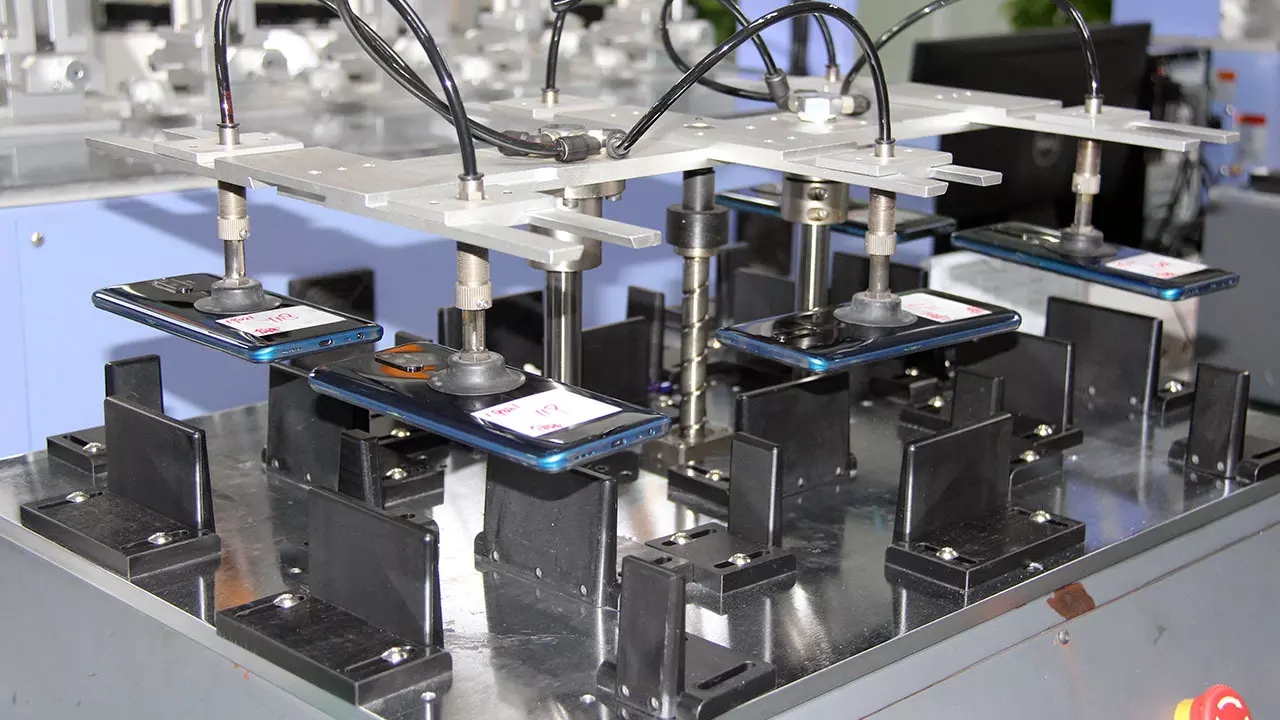
New Delhi: The Union Cabinet on Wednesday approved two major initiatives with a combined outlay of about Rs 1.9 lakh crore to strengthen domestic electronics manufacturing and India’s position in the global semiconductor supply chain.
The Cabinet cleared the Rs 1.27 lakh crore Semicon 2.0 programme to expand semiconductor design and manufacturing capabilities, along with a Rs 62,500 crore mobile phone manufacturing scheme aimed at boosting production, exports and local value addition.
Briefing reporters after the meeting, Union minister for electronics and information technology Ashwini Vaishnaw said the semiconductor programme would build on the first phase of the India Semiconductor Mission. “It will focus on six key areas such as chip design, semiconductor equipment and materials, fabrication facilities, advanced packaging and testing, research and development, and talent development,” he said, adding that the programme aims to enable domestic chip production.
The government expects the semiconductor initiative to attract investments of around Rs 4 lakh crore and generate production worth about Rs 2 lakh crore during the scheme period.
On the mobile phone manufacturing scheme, Vaishnaw said incentives ranging from 2.25 per cent to 5 per cent would be provided on eligible sales over five years from 2026-27 to 2030-31, along with support for domestic sourcing of components and investments in design and research.
The scheme is projected to drive cumulative production of about Rs 39 lakh crore, increase exports and create around 60,000 direct jobs.
The government said India has emerged as the world’s second-largest mobile phone manufacturer by volume, with 99.2 per cent of devices used domestically produced within the country. Mobile phones became the country’s largest export category in 2025.
According to an official statement, the initiatives aim to strengthen supply chain resilience and position India as a key semiconductor design and manufacturing hub. The first semiconductor fabrication unit in the country is expected to begin operations in 2028.
The programme also seeks to expand Assembly, Testing, Marking and Packaging (ATMP) and Outsourced Semiconductor Assembly and Test (OSAT) capabilities, while supporting advanced research.
Three approved projects by Micron, Kaynes and CG Semi have begun commercial production, while another facility is expected to start operations in 2026. The first phase also supported 24 semiconductor design projects by startups and MSMEs, with 105 companies receiving access to design tools.
The government said electronics manufacturing has expanded significantly since 2014-15, with production rising sevenfold and exports growing elevenfold, driven largely by mobile phone manufacturing.
( Source : Deccan Chronicle )

Next Story