In A First, C’garh Reserve, Origin Landscape Of Mahanadi River, Set To Launch Specialized Conservation Initiative To Restore Girdled Trees: Reports

“The encroachers in the Karka area have damaged the trees by girdling them to start cultivation": USTR deputy director Varun Kumar Jain
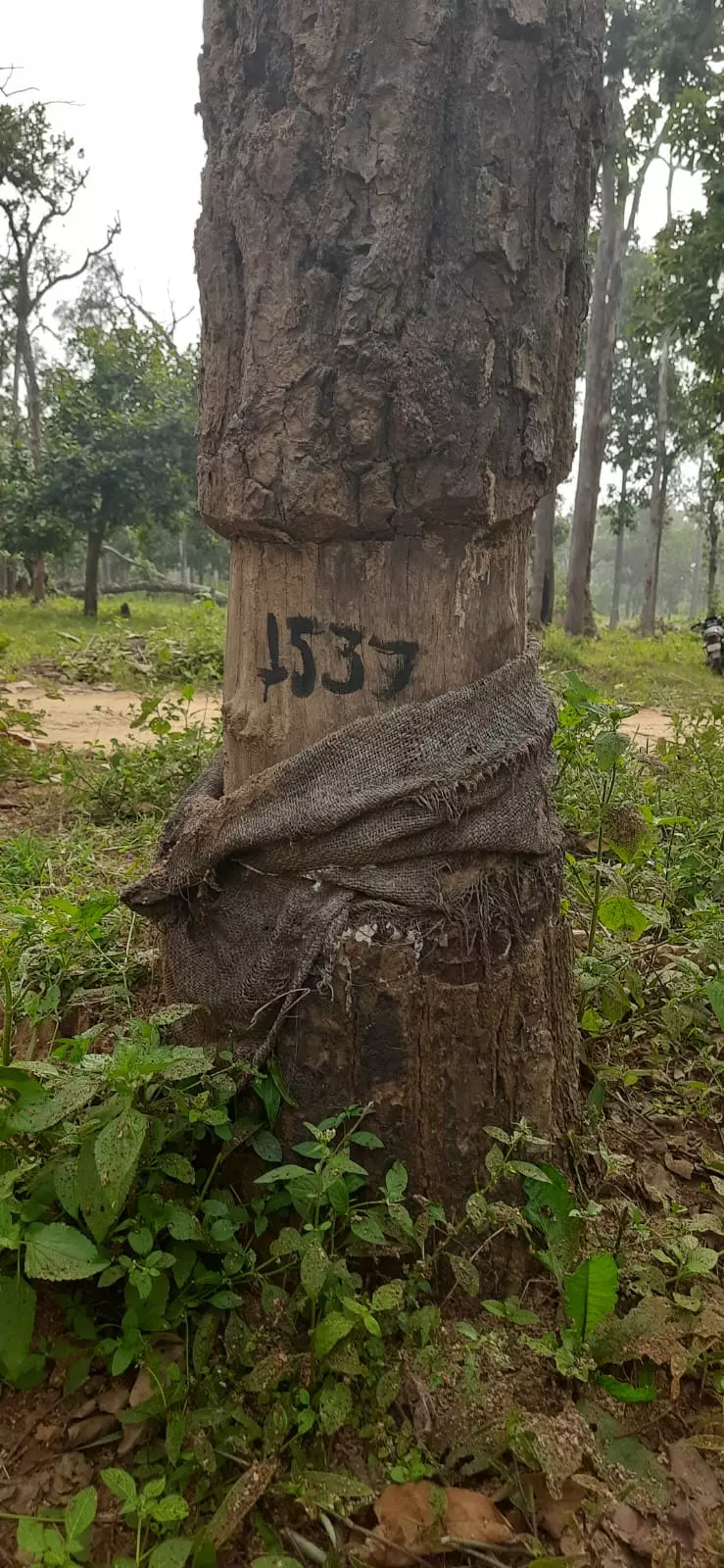
RAIPUR: In a first of its kind move, the Udanti Sitanadi Tiger Reserve (USTR), the origin landscape of Mahanadi River, of Chhattisgarh is undertaking a specialized conservation initiative to restore trees damaged by girdling in the Karka encroached area of the wildlife sanctuary.
As part of this initiative, noted environmentalist Kantaka-based Vijay Nishant, known as "Tree Doctor" for his work in tree conservation through ‘Project Vruksha Foundation’, will visit the tiger reserve next week to provide technical assistance in the ‘surgical treatment’ and restoration of affected trees.
“The encroachers in the Karka area have damaged the trees by girdling them to start cultivation. The initiative to restore the girdled trees will help regenerate forest and contribute to the rejuvenation of the Mahanadi River”, USTR deputy director Varun Kumar Jain told this newspaper on Sunday.
Pairy River, originating from Udanti wildlife sanctuary, and Sondur River, originating from Sitanadi River, merge at Rajim in Gariaband district in east Chhattisgarh, to form Mahanadi River, the lifeline of Chhattisgarh and Odisha.
Karka area constitutes the upper catchment of Pairy.
The USTR authorities have initiated steps to remove encroachment from the Karka area by relocating a population of 40-50 people.
The Karka encroachment area has expanded from 22 hectares in 2016 to 102.47 hectares in 2026, according to Mr. Jain.
A drone survey done recently, read alongside Indian Space Research Organization (ISRO) satellite imagery from 2010 (dense forest), indicates that more than 1.25 lakh trees are estimated to have been cleared in the affected landscape between 2016-2026.
“These findings underscore the magnitude of the forest loss”, he said.
During the field inspections, the USTR also identified more than 2,500 girdled trees, predominantly ‘sal’, ‘bija’, and tendu’.
Girdling involves removing a strip of bark around a tree trunk, disrupting movement of essential nutrients and potentially causing the tree to die.
While several trees have suffered irrecoverable damages over the years due to girdling, some have been freshly girdled, raising concerns that deliberate damage is being done to the trees to facilitate further expansion of encroachment, the forest officer said.
Girdling of trees in the forest by the encroachers is a common phenomenon in several parts of the country and the initiative to restore these damaged trees in the USTR will show the path for regeneration of degraded forests in other parts of the country, Mr. Jain said.
According to him, the USTR had previously undertaken bridge grafting of girdled trees in Tauranga Range in 2022.
However, the intervention recorded a success rate of approximately ten percent, highlighting the need for specialized expertise and improved treatment techniques, he said.
Mr. Nishanth is scheduled to assess the affected trees, identify those that can potentially be saved and recommend appropriate surgical intervention, including bridge grafting and other suitable tree-restoration techniques, Mr. Jain said.
