Under the VB-G RAM G scheme, which is also Centrally sponsored, State governments will shoulder a larger share of expenditure
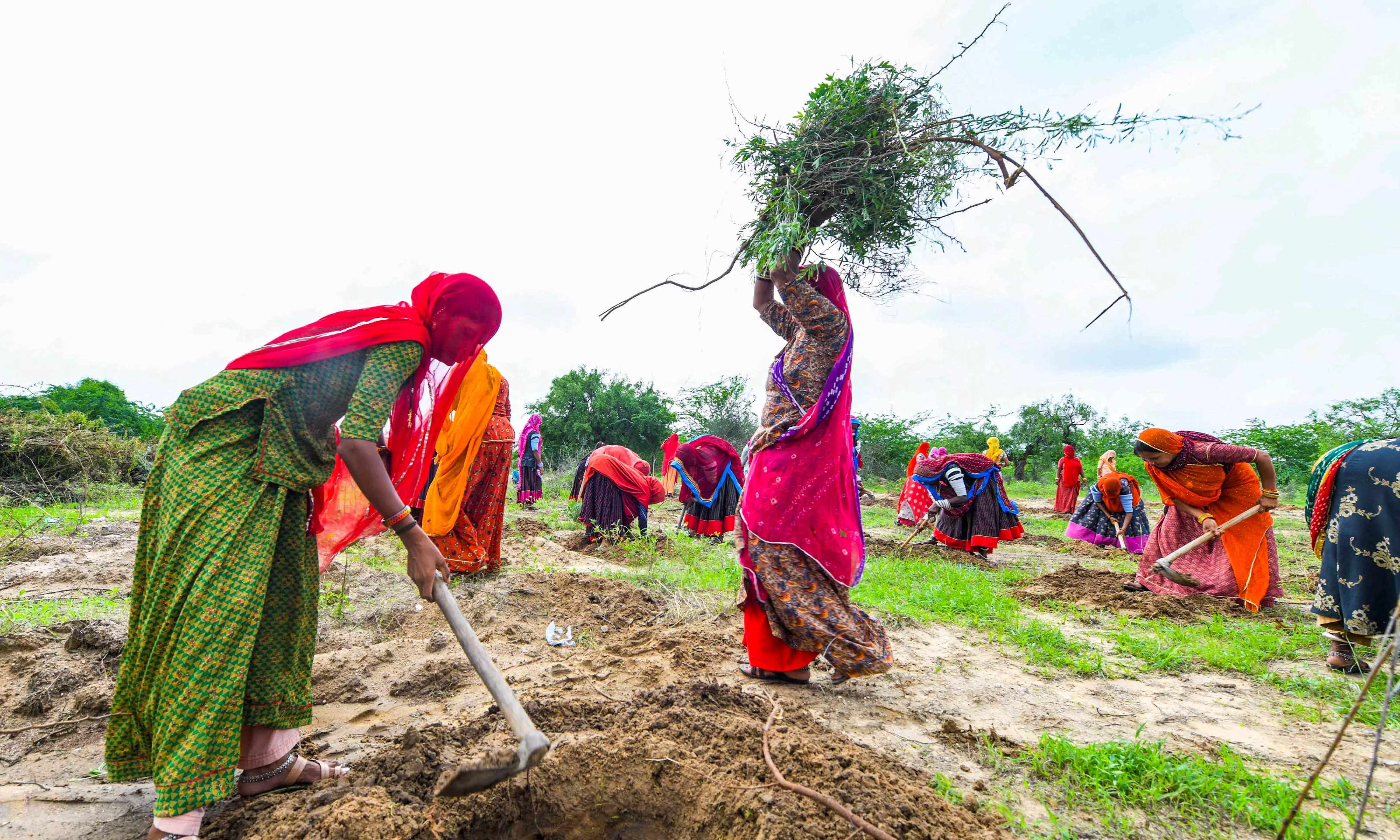
The VB-G RAM G Bill provides for a normative allocation to States, with any expenditure beyond the prescribed limit to be borne by the State governments. (PTI Photo)
New Delhi: The Mahatma Gandhi National Rural Employment Guarantee Scheme (MGNREGS) is a demand-driven programme, under which the Centre is required to allocate additional funds whenever there is demand for work. In contrast, the Viksit Bharat Guarantee for Rozgar and Ajeevika Mission (Gramin) Bill, 2025 (VB-G RAM G Bill) provides for a normative allocation to States, with any expenditure beyond the prescribed limit to be borne by the State governments.
Under MGNREGS, 100 per cent of wage costs are borne by the Centre, while material costs are shared between the Centre and the States in a 75:25 ratio. Under the VB-G RAM G scheme, which is also Centrally sponsored, State governments will shoulder a larger share of expenditure. The cost-sharing pattern will be 90:10 between the Centre and the northeastern and Himalayan States, and 60:40 for all other States and Union Territories with legislatures. For Union Territories without legislatures, the entire cost will be borne by the Centre.
Under the existing rural employment guarantee scheme, work can be demanded throughout the year. However, the new Bill empowers States to notify specific periods covering peak agricultural sowing and harvesting seasons during which work cannot be sought under the scheme.
MGNREGA provides for a wide range of permissible works, including water conservation, drought-proofing, irrigation, renovation of traditional water bodies, land development and flood control. In contrast, the VB-G RAM G Bill restricts works to four thematic focus areas: water security through water-related works, core rural infrastructure, livelihood-related infrastructure, and mitigation of extreme weather events.
Under MGNREGA, gram panchayats are responsible for identifying projects within their jurisdiction. Decisions on the nature and prioritisation of works are taken in open gram sabha or ward sabha meetings and ratified by the panchayat. At least 50 per cent of works, in terms of cost, are implemented through gram panchayats. Under the VB-G RAM G framework, works will originate from “Viksit Gram Panchayat Plans”, prepared by gram panchayats and integrated with the PM Gati Shakti National Master Plan.
While MGNREGA does not categorise panchayats, the VB-G RAM G Bill mandates classification of panchayats into categories A, B and C based on development parameters, with each required to prepare saturation-mode plans accordingly.
The VB-G RAM G Bill also envisages a comprehensive digital ecosystem, including biometric authentication at multiple levels, GPS or mobile-based worksite monitoring, proactive public disclosures, and the use of artificial intelligence for planning, audits and fraud risk mitigation. Such provisions are absent under MGNREGA.
( Source : Deccan Chronicle )


Next Story