Harmony Foundation Condemns Brutal Killings of Hindus in Bangladesh

Former minorities panel vice-chair flags rising extremism and attacks on minorities
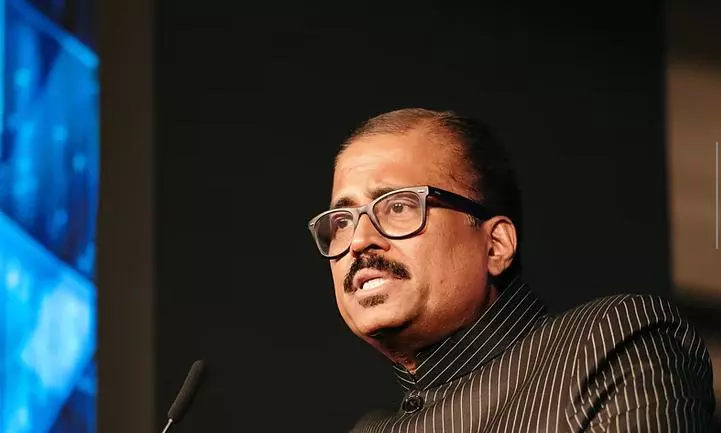
Pune: Dr Abraham Mathai, former vice chairman of Maharashtra State Minorities Commission, has condemned killings of Hindus in Bangladesh, expressing grave concern over the systematic persecution of religious minorities.
He has also noted the alarming rise of extremist violence that has engulfed Bangladesh since the overthrow of Sheikh Hasina's government. “We condemn the recent brutal killings of Hindu citizens, including the horrific mob killing of Dipu Chandra Das, a 27-year-old garment worker in Mymensingh, and the murder of 29-year-old Amrit Mandal in Rajbari district amid mob violence,” Dr Mathai, also the founder–chairman of Mumbai-based Harmony Foundation, a voluntary organization.
Dr Mathai said that while the interim government and police have portrayed the killing of Amrit Mandal as a non-communal incident arising from his alleged role as a notorious extortionist and “top terrorist” heading the “Samrat Bahini” gang with multiple pending cases, including murder, this deflection does not obscure the undeniable broader pattern of escalating mob violence, impunity, and heightened vulnerability faced by Bangladesh’s religious minorities, especially Hindus, amid rising radicalism.
“These gruesome incidents, where innocent lives are taken by mobs under the pretexts of blasphemy, extortion, or personal disputes, cannot be dismissed or downplayed,” Dr Mathai said.
According to media reports, they form part of over 2,900 documented cases of violence against minorities under the interim government, including killings, arson, vandalism of temples, and land grabbing.
As rightly highlighted by India’s Ministry of External Affairs spokesperson Randhir Jaiswal, this escalating hostility is a matter of grave concern, and perpetrators must be brought to swift justice without excuse or delay.
“This is not new. Over the past several months, Bangladesh has been witnessing a dangerous surge in Islamic radicalism, where extremist forces seek to rewrite history through violence and intimidation,” Dr Mathai noted.
The horrifying vandalism and destruction of the residence and memorial of Bangladesh’s founding father, Bangabandhu Sheikh Mujibur Rahman, which has long stood as a symbol of the nation’s heroic liberation struggle, exemplifies this radical agenda to obliterate secular heritage and honor, he pointed out.
Referring to the rising anti-India sentiments in Bangladesh, Dr. Mathai asserted that Bangladesh must acknowledge the sacrifices India made during the 1971 Liberation War, which secured its freedom from Pakistan’s military oppression.
“Indian soldiers shed their blood and suffered massive casualties for Bangladesh’s independence. Yet today, the Hindu community—who stood by Bangladesh during its birth—faces ruthless persecution. How can Bangladesh inflict such atrocities on its Hindu minorities, who supported the nation during its liberation and trusted its promise of equality?” he asked.
Dr Mathai said that the world cannot turn a blind eye to the growing extremism engulfing Bangladesh. Radical Islamic elements are causing daily chaos through violence, suppression of dissent, and attacks on secular voices. It is part of a larger trend of escalating radicalization that threatens to consume the country and destabilize the region.
He said the people of Bangladesh deserve a future free from radicalism where history is preserved, not obliterated in fire and blood; where the sacrifices of founding leaders are honored, not violated; and where minorities live without fear.
“The lives of minorities matter. The rule of law matters. Bangladesh’s descent into extremist violence must be stopped now,” Dr Mathai asserted.
