Government Rejects Allegations on Smart Meters, Power Billing in Odisha Assembly

The minister said smart meter installation is being carried out nationwide and is part of a broader reform in the power sector.
Bhubaneswar: The Odisha government on Tuesday rejected allegations by opposition legislators that power distribution company Tata Power was forcing consumers to install smart meters, issuing exorbitant electricity bills and resorting to undeclared power cuts in the state.
The issue was raised in the Odisha Legislative Assembly through an adjournment motion moved by MLAs Ramachandra Kadam, Dr. C.S. Rajen Ekka, Ashok Kumar Das and Pabitra Saunta. The lawmakers alleged that Tata Power’s distribution companies were compelling consumers to install smart meters, inflating electricity bills and subjecting people to unannounced power outages.
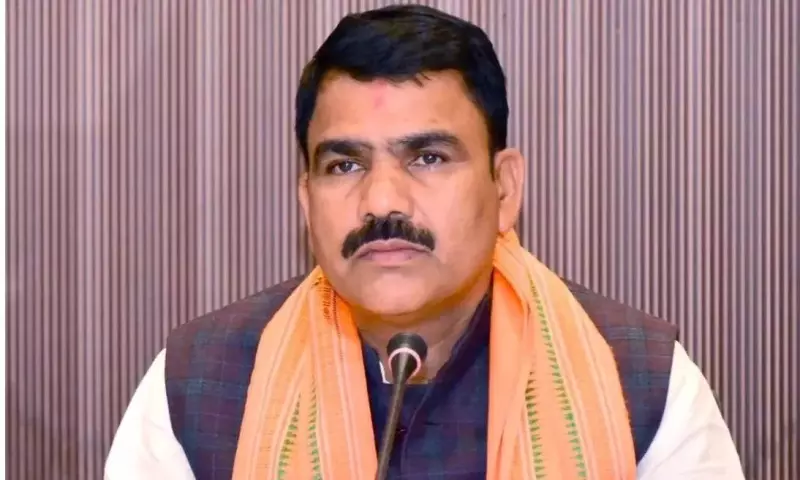
Replying on behalf of Deputy Chief Minister and Energy Minister Kanak Vardhan Singh Deo, school and mass education minister Nityananda Gond dismissed the allegations as “not based on facts”.
Gond informed the House that smart meters are being installed across Odisha by Tata Power Distribution Companies (TP-DISCOMs) in accordance with various central and state regulatory guidelines. These include the Electricity (Rights of Consumers) Rules, 2020; the Central Electricity Authority (Installation and Operation of Meters) Amendment Regulations, 2022; and a notification issued by the Union Ministry of Power on May 26, 2022. The installation is also aligned with provisions under the Odisha Electricity Regulatory Commission (OERC) Distribution (Conditions of Supply) Code, 2019, and a directive issued by OERC on May 3, 2023, prioritising smart meter deployment.
The minister said smart meter installation is being carried out nationwide and is part of a broader reform in the power sector. As of February 2026, around 5.8 crore smart meters have already been installed across the country. States such as Maharashtra, Bihar, Uttar Pradesh and Assam have made significant progress in adopting the technology, he added.
Explaining the benefits, Gond said smart meters automatically record electricity consumption without human intervention, ensuring accurate measurement and improving transparency in billing. “This helps eliminate errors in meter reading and billing processes and reduces consumer complaints,” he said. The primary objective of the initiative, he noted, is to ensure a more efficient and transparent power distribution system while also reducing technical and commercial losses.
Responding to allegations of irregular billing, the minister said distribution companies collect electricity charges strictly according to the Retail Supply Tariff Orders approved by the OERC and based on the actual consumption recorded in consumer meters. He added that the accuracy and quality of all meters, including smart and non-smart ones, are verified at accredited laboratories before installation.
He further clarified that there is no provision for arbitrary charges and that all components of electricity bills are regulated and clearly mentioned in the monthly bill issued to consumers. In case of disputes, consumers can lodge complaints with the concerned distribution company or approach the Grievance Redressal Forum.
Addressing the issue of power outages, Gond said there are no undeclared power cuts in the state. Temporary disruptions may occur due to natural disasters such as floods, cyclones, storms or adverse weather conditions, which can damage power infrastructure. Power supply is restored at the earliest once conditions improve, he said.
The minister also pointed to improvements in Odisha’s power sector since the introduction of reforms in the 1990s and the privatisation of distribution utilities in 2020, noting that technical and commercial losses have steadily declined and electricity supply hours have increased.
Stating that smart meters represent a major technological advancement in electricity distribution, Gond urged the Speaker to reject the adjournment motion, reiterating that the allegations raised by the legislators were not based on facts.
