Government Proposes Decriminalising Petroleum Licence Breaches

2 Oct 2026 5:12 PM IST2 Oct 2026 5:12 PM IST
Draft amendments propose civil penalties of up to Rs 5 crore while retaining criminal action for serious offences
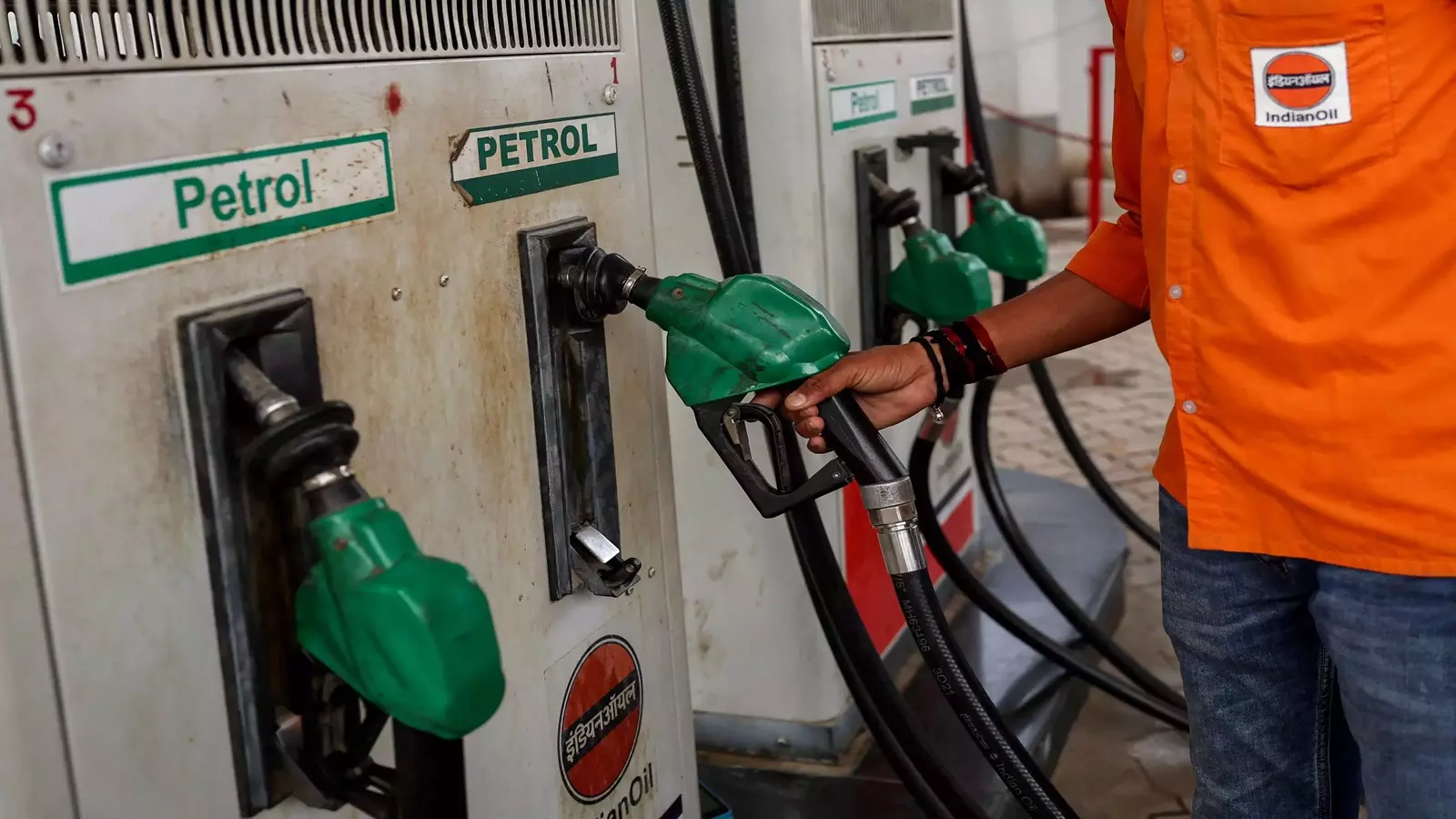
The Petroleum Ministry has proposed replacing criminal prosecution for regulatory breaches with civil penalties while tightening punishment for offences threatening public safety and critical infrastructure.
The government has proposed decriminalising regulatory breaches such as violations of petroleum licence terms and introducing a civil-penalty regime, while retaining or strengthening criminal penalties for serious offences involving public safety, critical infrastructure and unauthorised petroleum operations.The Ministry of Petroleum and Natural Gas has sought public and industry comments on draft amendments to the Petroleum Act, 1934, proposing a major overhaul of the law's provisions dealing with offences, penalties and enforcement.
The Petroleum Act, 1934, was enacted to consolidate and amend the law relating to the import, transport, storage, production, refining and blending of petroleum.
"It is proposed to amend the Petroleum Act, 1934, through amendment... to achieve the objectives of de-criminalisation of regulatory issues such as breach of terms and conditions of licenses and provides for a mechanism for imposition of civil penalty through an administrative mechanism," the ministry said, seeking comments on the draft amendments.
The proposed amendments "provide adequate deterrence against specific offences relating to various aspects of petroleum operations", it added.
Under the proposed amendments, breaches of licence terms would be dealt with through an administrative adjudication mechanism rather than criminal prosecution. An adjudicating officer could impose a civil penalty of up to Rs 2.5 crore for a first breach and up to Rs 5 crore for a second or subsequent breach.
The adjudicating officer could also direct a licence holder to take or refrain from taking specific actions to prevent or remedy a breach, while recommending suspension, revocation or curtailment of a licence to the licensing authority.
The proposed framework would, however, retain criminal liability where a licensing breach endangers public safety or causes grievous hurt or death, with such proceedings continuing under other applicable laws.
The draft also proposes tougher penalties for several serious offences. Undertaking a licensed petroleum activity without the required licence could attract imprisonment of up to three years, a fine of up to Rs 25 crore, or both. A continuing violation could attract an additional fine of up to Rs 10 lakh for every day the contravention continues.
Fraudulently or dishonestly obtaining a petroleum licence through misrepresentation or impersonation could attract imprisonment of up to five years, a fine, or both.
Damaging or destroying petroleum facilities, pilfering petroleum or endangering a person's safety could attract imprisonment of up to five years or a fine of up to Rs 15 crore for a first offence. A second or subsequent offence could attract imprisonment of up to seven years or a fine of up to Rs 25 crore.
The draft also proposes imprisonment of up to 10 years for causing damage to designated "critical petroleum infrastructure", along with a fine of up to Rs 25 crore or the cost of the loss, destruction or damage suffered by such infrastructure, whichever is less.
The central government would have the power to notify infrastructure or areas used for petroleum production, import, storage, refining, transportation or blending as critical petroleum infrastructure.
The amendments also provide for penalties for obstructing authorised officers during inspections and failing to report petroleum-related accidents. Repeat violations would attract higher penalties.
For breaches involving false or misleading information in returns, reports, books of account or other documents, the proposed law would provide for civil penalties following an inquiry based on principles of natural justice.
The Act, which governs the import, transport, storage, production, refining and blending of petroleum, was last amended in 1970. Its penalties then were a maximum fine of 1,000 rupees, or one month's simple imprisonment, for a first offence.
The ministry said the penalty, though significant in the 1970s, "is now insignificant".
It cites petrol prices rising from Rs 0.90 per litre in 1970 to between Rs 95 and 105 now, and refineries growing from six with 18.4 million tonnes per annum of capacity to 23 with more than 258 million.
The ministry said the proposed fines align with related laws. The 2006 Petroleum and Natural Gas Regulatory Board Act carries jail terms of up to three years and fines of up to Rs 25 crore for unauthorised pipeline, city gas and LNG terminal activity.
The Oilfields (Regulation and Development) Act was amended in 2025 to raise penalties. The ministry said the civil-penalty model mirrors the one in the Telecommunications Act, 2023, and that the new offences draw on precedents from the United States, Japan, Australia, Germany and Singapore.
It also said the change would improve ease of doing business. The ministry said the proposed amendments are aimed at strengthening the legal framework governing offences under the 1934 law while reducing criminalisation of regulatory matters. The draft proposes replacing sections 23 and 25 of the Petroleum Act, inserting new sections 23A to 23E and amending section 24.
It also proposes that courts below the level of a Chief Metropolitan Magistrate or Chief Judicial Magistrate would not try offences under the Act unless specially empowered by the central government. Proceedings would be governed by the Bharatiya Nagarik Suraksha Sanhita, 2023. The ministry has invited comments and suggestions from the public and industry stakeholders within 30 days of publication of the notice.
( Source : PTI )

Next Story