Gokul Power Struggle Intensifies As Government Clears Nominated Directors

While the government official will not have voting rights, the other four members will be entitled to vote in the board of directors.
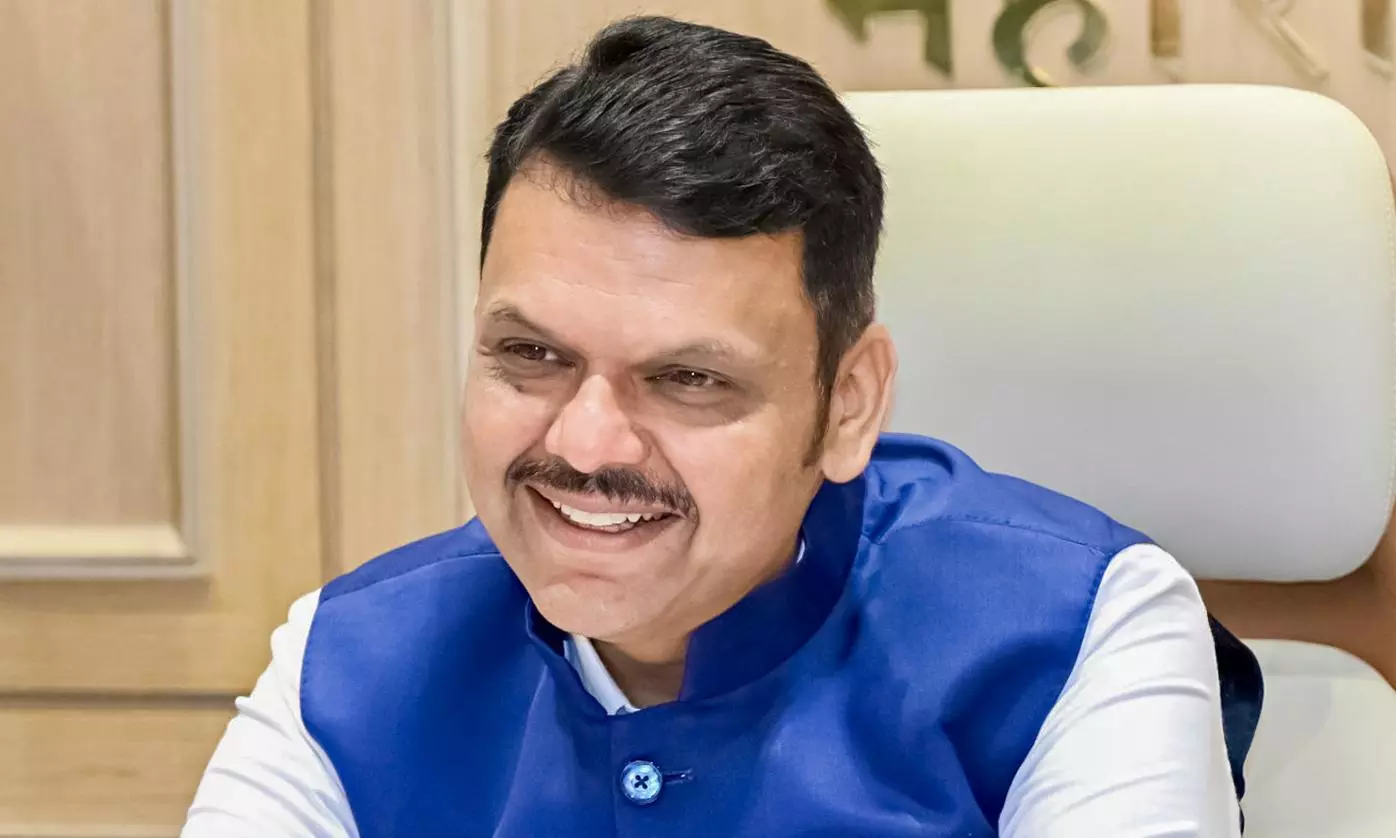
Mumbai:The Maharashtra Cabinet on Wednesday approved the nomination of five government-appointed members to the managing committees of large cooperative institutions with an annual turnover of more than Rs 500 crore, excluding district central cooperative banks. Congress MLC Satej Patil has alleged that the move is aimed at bringing the Gokul Dudh Sangh under the government’s control. The decision is being seen as a setback for Patil, whose faction secured a majority in the cooperative body’s recent elections.
The five nominated members will include one government official not below the rank of Assistant Registrar and four persons with experience in the functioning of the respective institutions, a Chief Minister’s Office (CMO) statement said after the weekly Cabinet meeting chaired by Chief Minister Devendra Fadnavis.
While the government official will not have voting rights, the other four members will be entitled to vote in the board of directors. However, they will not be eligible to contest elections for the posts of office-bearers of these institutions.
The Cabinet approved an amendment to the Maharashtra Cooperative Societies Act, 1960, to provide for these nominations.
The decision is likely to have a bearing on the ongoing power struggle at Kolhapur’s Gokul Dairy, where the Congress-backed Rajarshi Shahu Shetkari Samavichari Aghadi, led by Patil, won 13 of the 25 seats in the recent elections. The Mahayuti secured 12 seats.
However, the post of chairman remains vacant, as the required quorum of 14 directors has not been met at the election meetings after all 12 members of Mahayuti remained absent. The nominations could alter the balance of power in Gokul, particularly in the election of its chairman.
Opposition Congress and NCP (SP) leaders, along with a leader of the ruling Shiv Sena, on Wednesday criticised the state government’s decision, calling it a “murder of democracy”.
NCP (SP) MLA Rohit Pawar said a “public stripping of democracy was underway on Gokul’s Kurukshetra”, while Maharashtra Congress chief Harshwardhan Sapkal said the move amounted to overturning the democratic mandate and disregarding the Constitution.
Ravindra Dhangekar, a leader of the BJP’s ally Shiv Sena, also criticised the decision, warning that esteemed institutions would crumble “in the frenzy to seize control” of the milk union.
In a strongly worded social media post, Pawar alleged that the BJP had still not recovered from its defeat in the Gokul Dairy elections and was attempting to gain control of the cooperative by appointing four government-nominated directors and granting them voting rights. “In this way, the public stripping of democracy is underway on Gokul’s Kurukshetra,” he said.
Sapkal said Gokul’s members had reposed faith in Patil’s leadership in the recent election, despite the contest being between his faction and the Mahayuti. He alleged that the government’s decision to appoint nominated members and grant voting rights to four of them amounted to disregarding the Constitution and democratic principles in an attempt to capture control of the cooperative body.
Dhangekar said the autonomy of the Gokul Milk Union was under threat. The democratic mandate of 5,400 milk societies and five and a half lakh farmers must be respected, he said. “If there is interference by government-appointed directors merely in the frenzy to seize control of the union or through political manoeuvring, these esteemed institutions will crumble,” the former MLA said.
However, government officials said the existing arrangement had often resulted in deadlocks in large cooperative bodies handling substantial public funds, particularly when voting resulted in a tie or the board failed to meet the quorum requirement. Such situations frequently necessitated the appointment of administrators, disrupting the functioning of elected boards and delaying business decisions.
“The proposed amendment seeks to ensure greater professional participation in the management of large cooperative institutions, prevent administrative deadlocks and strengthen financial accountability. The move would help safeguard public funds, improve transparency and financial stability,” officials said.
Gokul, one of western Maharashtra’s major cooperative institutions, has an annual turnover of more than Rs 4,000 crore. “Large cooperative institutions involving substantial financial turnover and public interest require greater transparency, professional expertise and effective governance. To ensure stability of elected boards in government-assisted cooperatives facing administrative deadlocks, the government has approved increasing nominated members and granting them voting rights, thereby safeguarding the financial interests of both cooperatives and the government,” said a senior official.