Eid-e-Milad-un-Nabi Celebrated With Religious Fervour Across India

From Juloos and mosque gatherings to charity drives and traditional delicacies, Milad-un-Nabi is observed with faith, reflection and community spirit
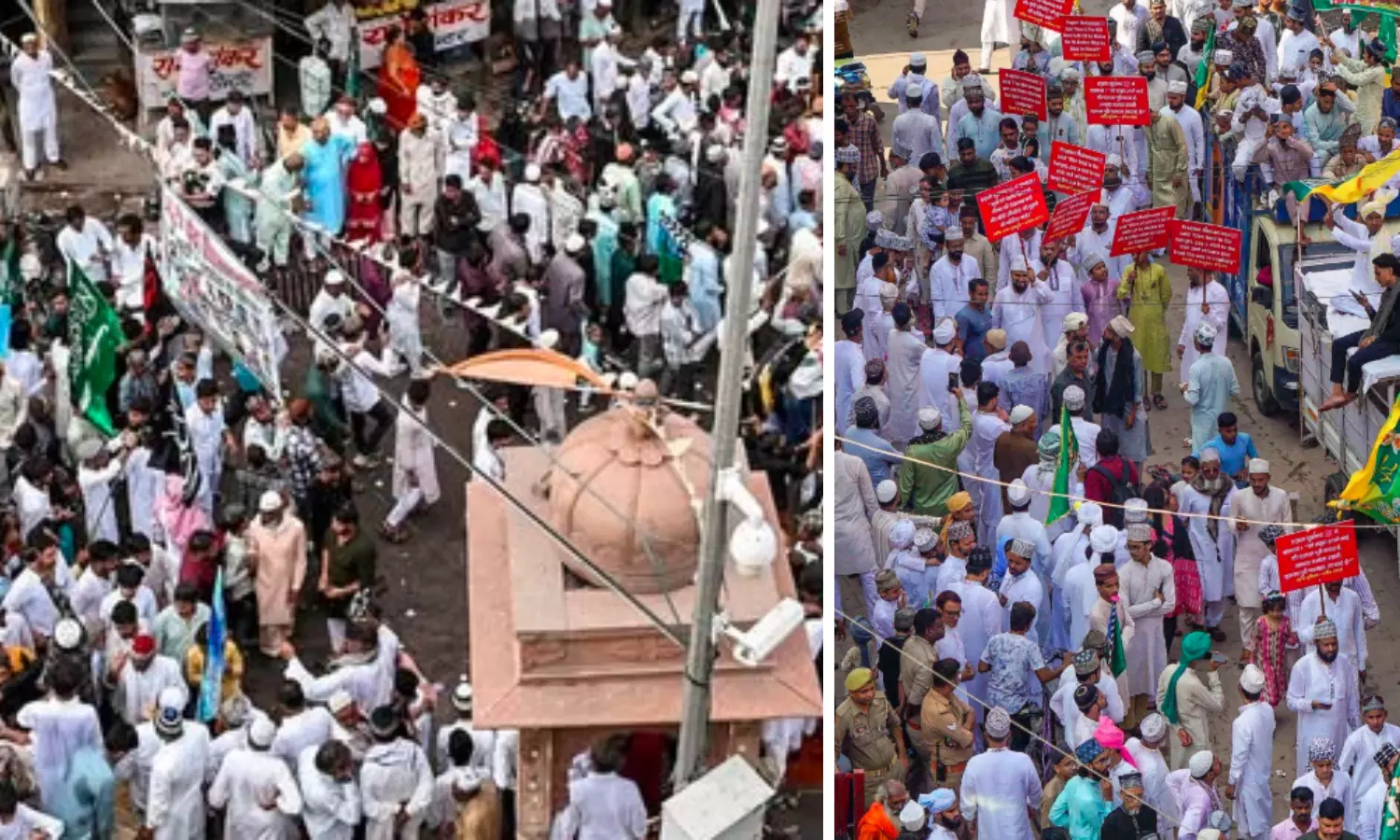
Eid-e-Milad-un-Nabi, also known as Milad-un-Nabi, is observed by many Muslims to commemorate the birth of Prophet Muhammad, who is regarded in Islam as the final prophet and messenger of God.
The occasion falls in the Islamic month of Rabi' al-Awwal. Prophet Muhammad is traditionally believed to have been born in Mecca around 570 AD and died at the age of 63 in Medina. His teachings, preserved in the Hadith and other Islamic traditions, emphasise values such as compassion, forgiveness, patience, humility, selflessness and helping others.
For Muslims who observe Milad-un-Nabi, the occasion is not merely a celebration of the Prophet's birth but also an opportunity to reflect on his life and teachings and their relevance to everyday life.
Processions and mosque gatherings
In India, during Eid-e-Milad-un-Nabi, Juloos, a form of procession, based on community gatherings and religious programs, take place to celebrate the Prophet Muhammad's birthday. During these celebrations, some mosques and neighborhood streets are decorated with lights, flags, and any other celebratory decorations.
During the gatherings and processions, Naats, which are poems expressing adoration to the Prophet Muhammad, may be recited. Some volunteers hand out food, sweets, and drinks to the participants and neighborhood on-goers.
Several mosques host programs in which scholars give talks and speeches about the life and the teachings of the Prophet.
The observance of Eid-e-Milad-un-Nabi varies in all parts of India. While some communities organize huge public gatherings, many families observe the day with prayers at home.
Charity and community service
Giving to those in need is another important feature of Milad-un-Nabi observances in many communities.
Organisations and local groups may arrange food distribution drives, provide meals to poor and needy families, or organise other charitable activities. In some areas, blood donation camps and community welfare programmes are also held.
The emphasis on charity and helping others reflects the broader focus on compassion and service associated with the Prophet's teachings.
Traditional food and family celebrations
The occasion is also marked by special meals and traditional delicacies, with preparations varying from region to region.
In parts of India, particularly among some Muslim communities in Hyderabad and other regions, Kupra Puri is prepared for Milad celebrations. The sweet puri is typically stuffed with ingredients such as cooked sweetened dal, dry coconut, sugar, dry fruits or khowa, and then deep-fried until crisp.
Kheer, or rice pudding, is another popular preparation served during the occasion. Traditional delicacies are often prepared in large quantities and shared with relatives, friends and neighbours.
In some families, these festive foods are distributed as gifts, reflecting the occasion's emphasis on sharing and community bonding.
A celebration of faith and community
Unlike Eid al-Fitr and Eid al-Adha, which are among Islam's major festivals, Milad-un-Nabi is observed differently across Muslim communities and is not marked by the same level of celebration everywhere.
For those who observe it, however, the occasion provides a time for prayer, remembrance, reflection and community service. Across India, the observances — whether through processions, mosque gatherings, family meals or charity — reflect a shared emphasis on values such as love, compassion, generosity and harmony.
