Dharmendra Pradhan’s Resignation Was ‘Long Overdue’: Omar Abdullah

J&K CM Credits NEET Protesters; Says No Political Party Or Individual Should Attempt to Claim Credit for Pradhan’s Exit
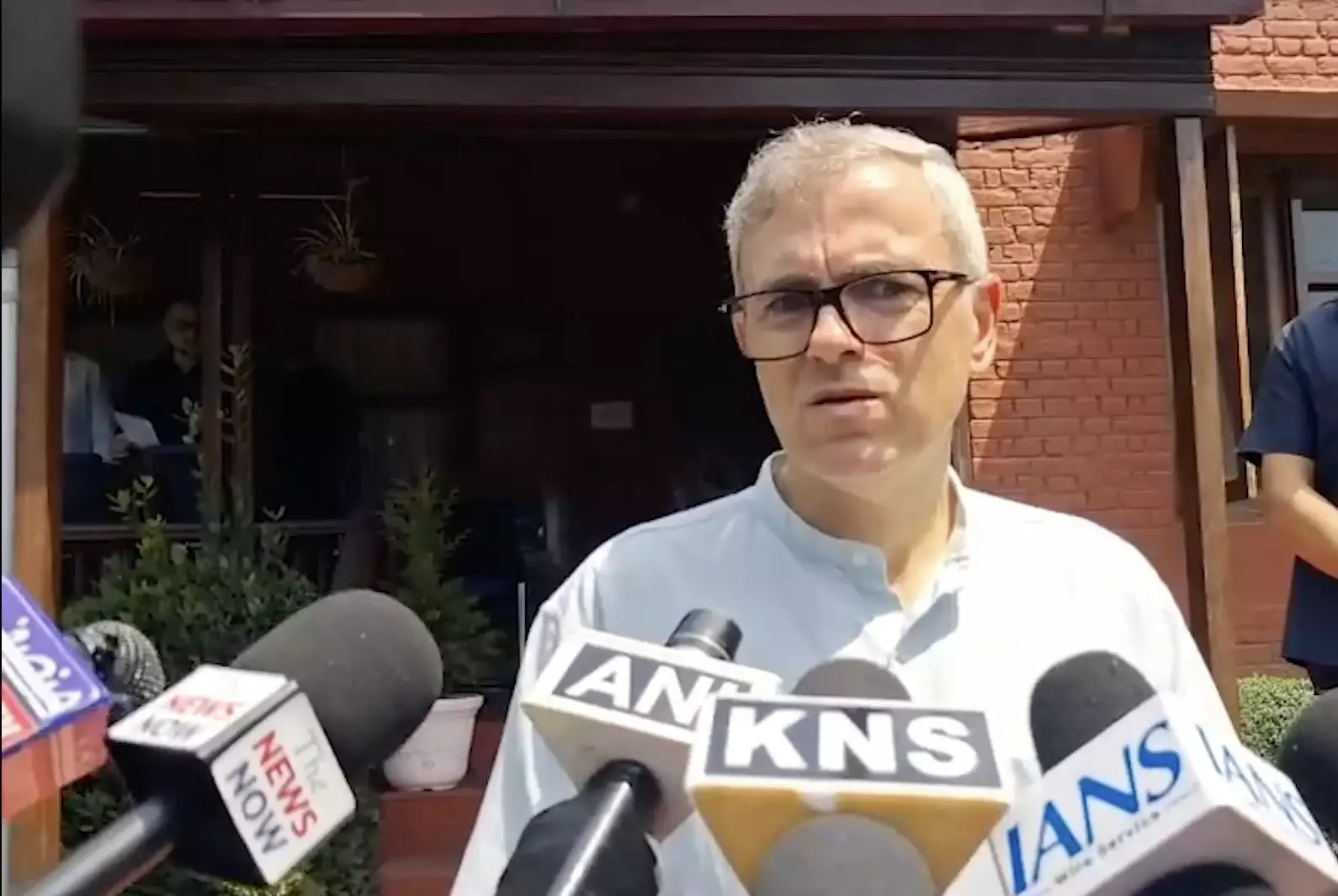
SRINAGAR: Jammu and Kashmir Chief Minister Omar Abdullah on Monday described the resignation of Union Education Minister Dharmendra Pradhan as “long overdue,” stressing that the development was the direct result of the determination and unity shown by students who led the nationwide NEET protest. He said the resignation should have come weeks earlier, given the scale of public anger and the gravity of the allegations, but added that “better late than never” still applies.
Speaking to reporters here, Abdullah made it clear that no political party or individual should attempt to claim credit for Pradhan’s exit. According to him, the students alone deserve recognition for sustaining a peaceful, democratic movement despite pressure, disruption, and attempts to delegitimise their concerns. “The entire credit goes to the students. They remained united, continued their peaceful protest, and refused to back down until their voices were heard,” he said, emphasising that their persistence forced accountability at the highest level.
Turning to the situation in J&K, the Chief Minister expressed deep concern over reports that 2,500 to 3,000 people had been detained across the Valley following the killing of an India Reserve Police Force (IRPF) head-constable Ashiq Hussain Qureshi “in a shoot-and-scoot” attack carried out by a lone gunman in the busy Lal Chowk -Achabal Adda area of southern Anantnag town on July 22. He argued that such sweeping detentions cannot be a long-term solution to militancy and may instead worsen public resentment. “If around 3,000 individuals are detained, it directly affects nearly 15,000 members of their families. Such actions may deepen alienation instead of strengthening trust between the people and the administration,” he observed. He warned that while security operations may produce short-term calm, lasting peace requires public confidence, cooperation, and a sense of fairness.
Abdullah reiterated that the fight against militancy cannot be won through force alone. He said durable peace depends on trust-building measures, political engagement, and ensuring that people feel they are partners—not targets—in the peace process. “Enduring peace cannot be achieved without the confidence and cooperation of the people,” he said, urging the Lt. Governor Manoj Sinha-led administration to rethink strategies that rely heavily on detentions
