Delhi’s Land Pooling Policy Emerges as a Game Changer for Investors and Homebuyers

26 Dec 2025 5:14 PM IST26 Dec 2025 5:14 PM IST
The policy seeks to bridge Delhi’s housing gap while checking the growth of unauthorized colonies and unplanned urban expansion.
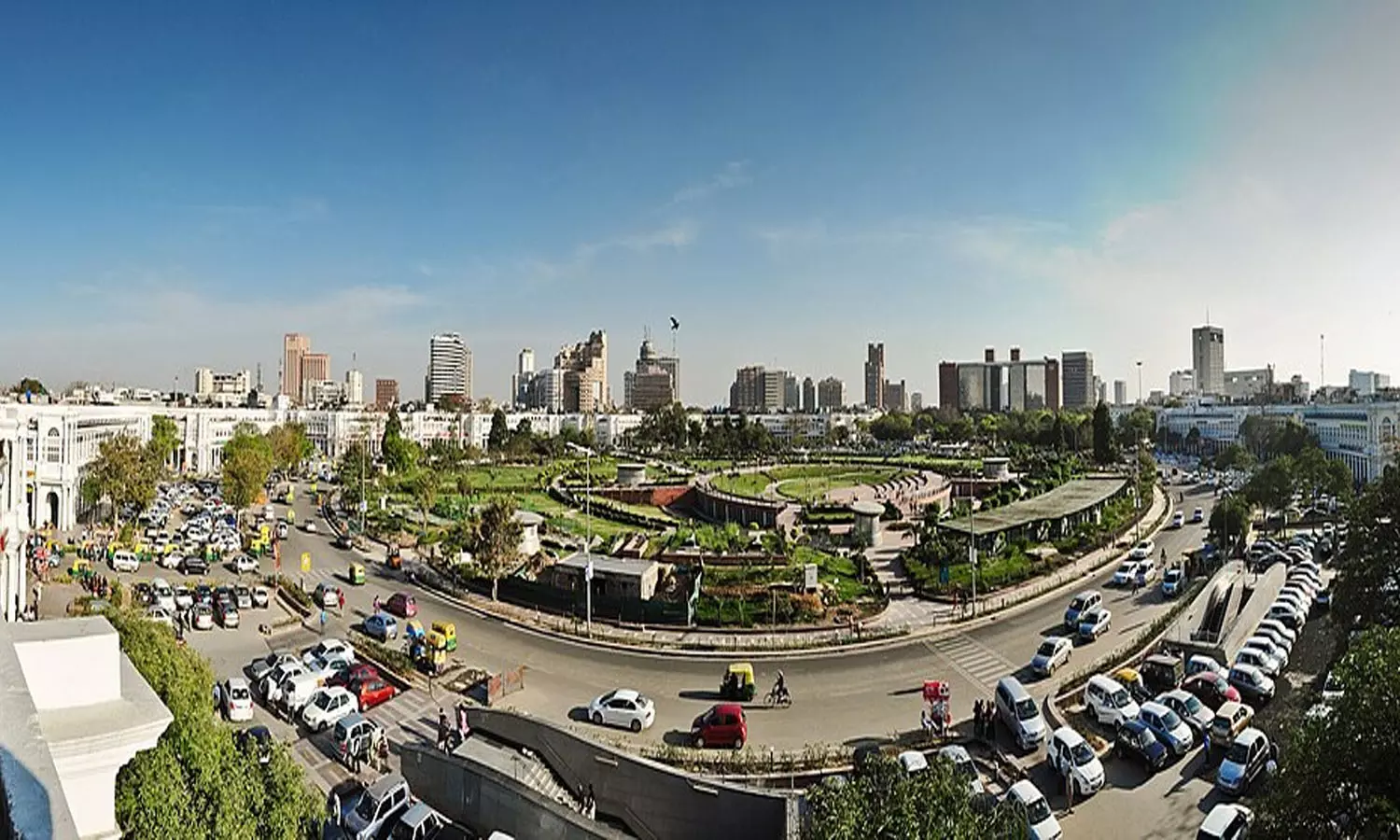
Delhi Skyline | Image Source: Wikipedia
Delhi's Land Pooling Policy, spearheaded by the Delhi Development Authority (DDA), ushers in a transparent and collaborative era of urban growth. Aligned with the Master Plan Delhi 2041 and refined in the 2025 edition, it ditches forced land acquisition for a voluntary model that safeguards landowners while delivering affordable, high-quality housing for buyers. This shift is transforming the capital's real estate landscape, prioritizing infrastructure, sustainability, and livability.
In this system, landowners pool their holdings willingly, and DDA steps in to build critical infrastructure, like roads, water systems, electricity, sewers, parks, and community facilities. Post-development, owners reclaim 40-60% of the land as ready-to-build plots, slashing legal battles, upholding property rights, and accelerating organized city expansion. Homebuyers benefit from clear titles, superior amenities, and thoughtfully laid-out neighborhoods.
Targeting Delhi's acute housing crunch, the policy combats illegal settlements and haphazard growth by boosting affordable homes and private sector involvement. It mandates units for Economically Weaker Sections, making quality housing reachable for middle-class families at fair prices.
This approach reduces disputes, safeguards ownership rights, and accelerates planned urban growth. For consumers, it delivers legal clarity, robust infrastructure, and well-organized residential and commercial spaces.
The policy seeks to bridge Delhi’s housing gap while checking the growth of unauthorized colonies and unplanned urban expansion. By prioritising affordable housing and enabling private-sector participation, it opens up viable homeownership opportunities for middle-income families at accessible price points. In addition, mandatory provisions for Economically Weaker Sections reinforce the policy’s people-first focus, ensuring wider and more inclusive access to housing.
A breakthrough came on November 5, 2025, with approval for land-use conversion on 40.23 hectares—the policy's inaugural rollout. Sector 8B in Planning Zone P-II, adjacent to Bhalaswa Lake, hit the contiguous land threshold first. Here, a 60:40 split favors landowner consortia over DDA, sparking prime residential and commercial projects.
The 2025 guidelines embrace mixed-use zoning, syncing with key corridors like the Dwarka Expressway and UER-2 to meet MPD 2041's eco-friendly vision. Enhanced roads, metro links, and facilities are fueling plot demand across Delhi-NCR.
The policy’s impact goes well beyond Delhi, acting as a powerful growth catalyst for the wider NCR. It is stimulating real estate activity in adjoining regions and strengthening rental as well as housing markets around key employment hubs such as Gurugram and Noida. For consumers, the Land Pooling Policy translates into safer, more transparent investments, improved affordability, and access to thoughtfully planned, future-ready communities built to support long-term growth and quality of life.
The article is authored by Kushal K. Rana, Policy Expert
( Source : Guest Post )


Next Story