Delhi Pollution: Environmentalists Warn GRAP Brings Temporary Relief

17 Jan 2026 11:51 AM IST17 Jan 2026 11:51 AM IST
Environmental experts say that emergency measures like the Graded Response Action Plan (GRAP) provide temporary relief.
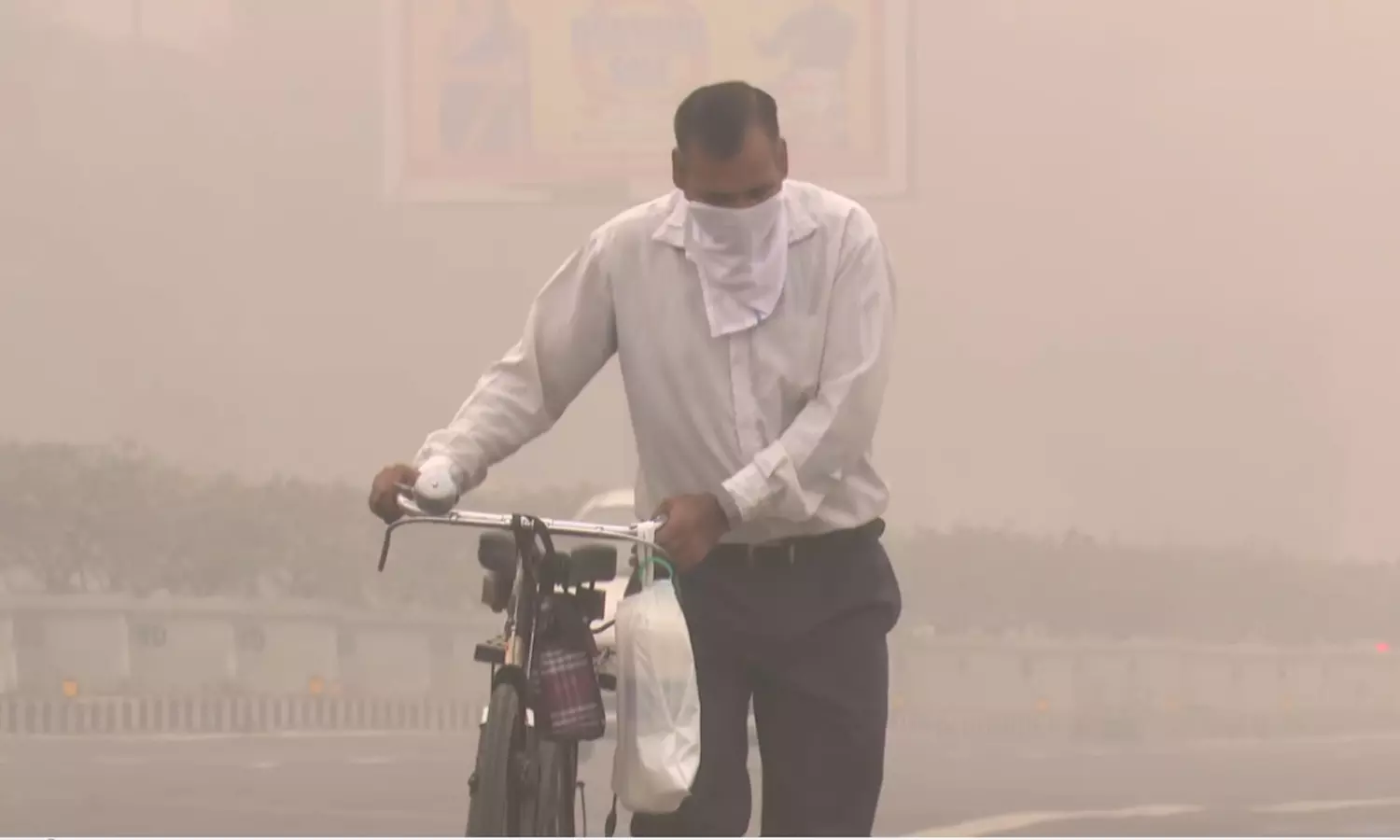
Delhi Pollution | Screengrab from PTI Video
Delhi: As the Nation's Capital battles severe air pollution every year, environmental experts say that while emergency measures like the Graded Response Action Plan (GRAP) provide temporary relief, they have failed to address the root causes of air pollution in the national capital. They attribute the failure to its poor implementation and improper monitoring mechanisms.
Experts say that what was meant to be temporary relief from air pollution has now become the go-to solution for authorities whenever pollution levels rise in the city. Environmentalists note that with Delhi failing to record 'good' air quality on most days of the year, there is an urgent need for long-term solutions like reducing traffic congestion, improving public transport, stopping biomass and waste burning, and strengthening monitoring systems.
The Commission for Air Quality Management (CAQM) in NCR and adjoining areas oversees the implementation of GRAPin collaboration with the Ministry of Environment, Forest and Climate Change (MoEFCC).
The measures taken in Stage-1 include:
- Mechanical/ vacuum sweeping and water sprinkling of the identified roads daily.
- Using water sprinkling along with the use of dust suppressants (at least every alternate day, during non-peak hours) on roads to arrest road dust, especially at hotspots, heavy traffic corridors, and vulnerable areas, and proper disposal of dust collected in designated sites/landfills.
- Synchronising traffic movements and enhancing parking fees to discourage private vehicle movement
- Using various media channels to inform people on how best to minimise polluting activities.
The CAQM has implemented Stage II of GRAP, also with Delhi's air quality entering "very poor" levels. This also comes with strict regulations on using and operating diesel gensets (DG sets), depending on their power range. The sub-committee on GRAP has provided the following suggestions for the citizens to help reduce pollutants and contribute to the improvement of Delhi NCR's air quality:
- Use of public transport and minimise the use of personal vehicles. Moreover, opt for a less congested route even if it takes slightly longer.
- Regularly replace air filters in automobiles.
- Avoid dust-generating construction activities during October to January.
- Avoid open burning of solid waste and biomass.
Meanwhile, officials from the CAQM say GRAP measures are reviewed regularly and updated where needed. They add that activities under the GRAP framework are continuously assessed for on-ground effectiveness, and efforts are underway to introduce tougher regulations supported by stronger implementation mechanisms.
( Source : Deccan Chronicle with agency inputs )

Next Story