Union Govt Withdraws LNG Regulations As Supply Back on Normal Levels

5 July 2026 11:35 AM IST5 July 2026 11:35 AM IST
The gas supply curbs were one of three emergency measures the government introduced after energy supplies from the Gulf were threatened by the effective closure of the Strait of Hormuz
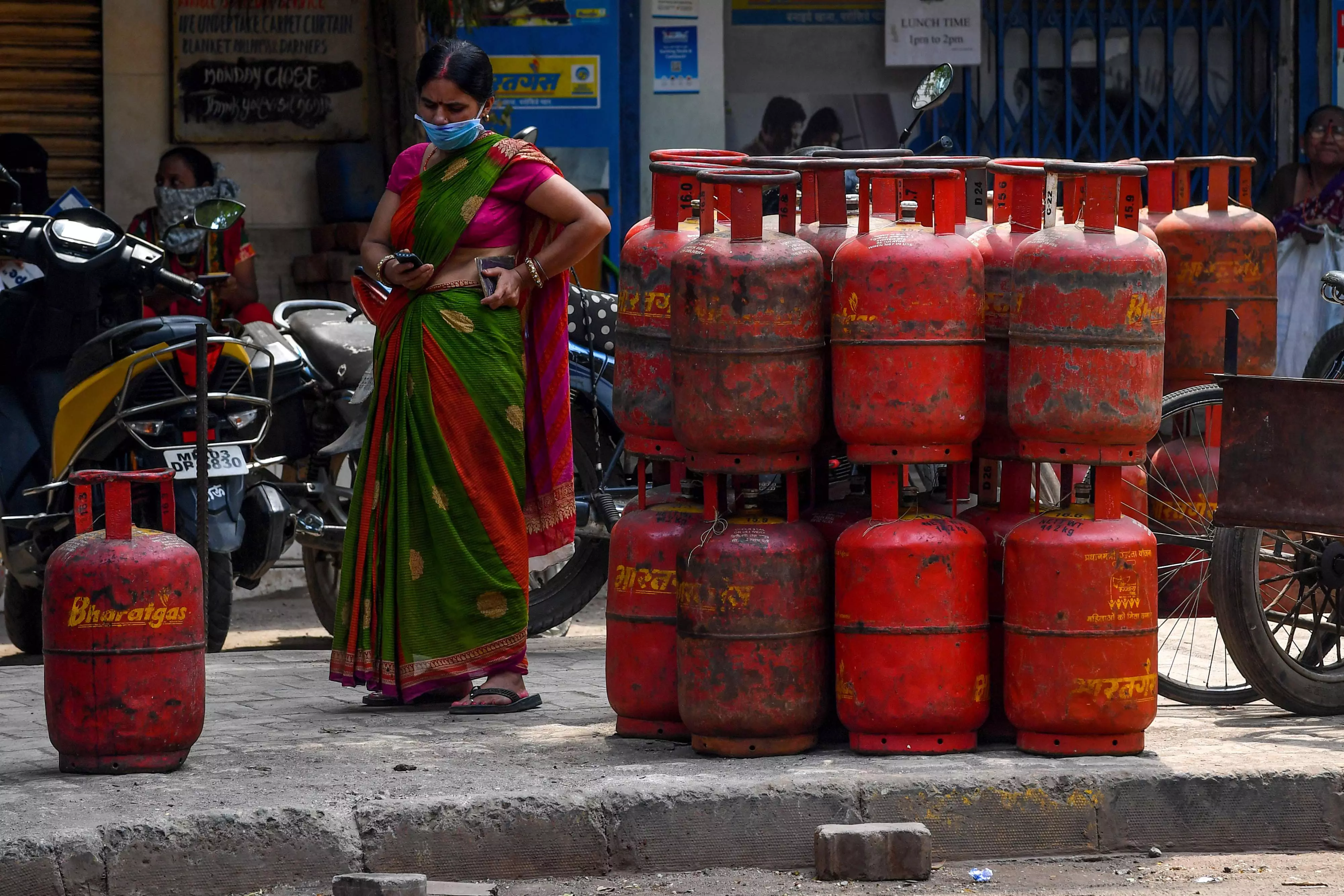
File Photo (PTI)
New Delhi: The Centre has withdrawn most provisions of the emergency natural gas supply regulation imposed during the West Asia conflict after LNG shipments through the Strait of Hormuz resumed following a ceasefire.
In a notification issued on Saturday, the ministry of petroleum and natural gas amended the Natural Gas (Supply Regulation) Order, 2026, removing key operational clauses that had enabled government-directed allocation of domestic gas and imported LNG.
The emergency order, issued on March 9 under the Essential Commodities Act, had prioritised supply to key sectors after the conflict disrupted LNG shipments, with suppliers invoking force majeure and diverting cargoes.
The ministry said the situation had improved with a ceasefire in place, negotiations underway and maritime traffic through the Strait of Hormuz resuming.
The gas curbs were part of a set of emergency measures introduced after energy supplies from the Gulf were affected following strikes on Iran on February 28 and subsequent escalation. The other measures — maximising LPG production by diverting feedstock and restricting diesel sales to bulk consumers — have already been withdrawn.
India, the world’s third-largest oil importer and consumer, depends on imports for about 88 per cent of its crude oil and nearly half of its natural gas requirements. Around 40–45 per cent of crude imports and about 65 per cent of LNG supplies come from West Asia, highlighting exposure to disruptions in the Strait of Hormuz.
During the disruption, the government invoked emergency powers to safeguard supplies, allowing diversion and sector-wise allocation of gas to ensure continuity for priority consumers.
Under the order, piped natural gas households, CNG for transport, LPG production and pipeline operations were to receive full supply based on average consumption. Fertiliser plants were assured 70 per cent, while industrial users were allocated 80 per cent, subject to availability.
To meet these priorities, supplies to petrochemical units and power plants were curtailed, and refiners were directed to reduce gas use where feasible. State-run GAIL, along with the Petroleum Planning and Analysis Cell, coordinated pooling and redistribution of gas.
The emergency provisions overrode existing commercial agreements and mandated compliance by producers, importers, marketers and distributors.
The government said these measures were no longer required following the ceasefire and restoration of shipping through the Strait of Hormuz, and confirmed that provisions prioritising allocation of gas had been withdrawn.
( Source : PTI )

Next Story