Survey Optimistic Of External Sector

India’s current account structure reflects a merchandise trade deficit offset by strong net inflows of invisibles, led by rising surpluses in services and private transfers
Chennai: The Economic Survey is optimistic about the strength of India’s external sector, with deepening global integration driven by robust exports, resilient services trade, and expanding trade networks. Services exports lead, while non-petroleum merchandise exports hit record levels, supported by healthy foreign exchange reserves and a moderate external debt profile.
India’s current account structure reflects a merchandise trade deficit offset by strong net inflows of invisibles, led by rising surpluses in services and private transfers. The services surplus has expanded steadily, driven by India’s growing role in global IT, business, and professional services. Remittance inflows have also increased consistently. These components have collectively kept the current account deficit (CAD) within manageable levels.
Private transfer receipts, mainly remittances, remained a key source of external-sector strength in FY26. Remittances increased to USD 73 billion in H1 FY26, up from USD 64.7 billion in the same period the previous year.
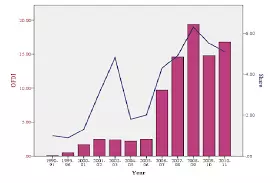
Depsite FDI outflows from India increasing to $22.1 billion during April-November 2025, net FDI increased nearly sevenfold to $5.6 billion, up from $0.8 billion in the same period a year earlier. Going forward, the challenge is to sustain FDI inflows in an environment of heightened global volatility. Despite a clear government intent and proven economic management, FDI inflows remain below their potential, especially for infrastructure needs. Proactive reforms are essential to attract more foreign investment.
India’s foreign exchange reserves increased to $701.4 billion and have helped steady India’s external position despite shifts in global risk sentiment and episodes of portfolio outflows.
“As growth-driven import demand increases with greater global integration, India’s external sustainability depends on the quality and stability of its financing. FDI is the most stable source, supporting BoP stability, productivity, technology transfer, and export growth. Maintaining FDI amid a competitive global capital market requires improving the investment climate, deeper GVC integration, and coordinated policies across government levels”, it said.
