RBI Gov Votes For Rate Cut On Benign Inflation, Risks To Growth

The RBI cut the repo rate by 25 basis points (bps) to 5.25 per cent on December 5, citing a “rare goldilocks period” where growth remains robust and inflation benign
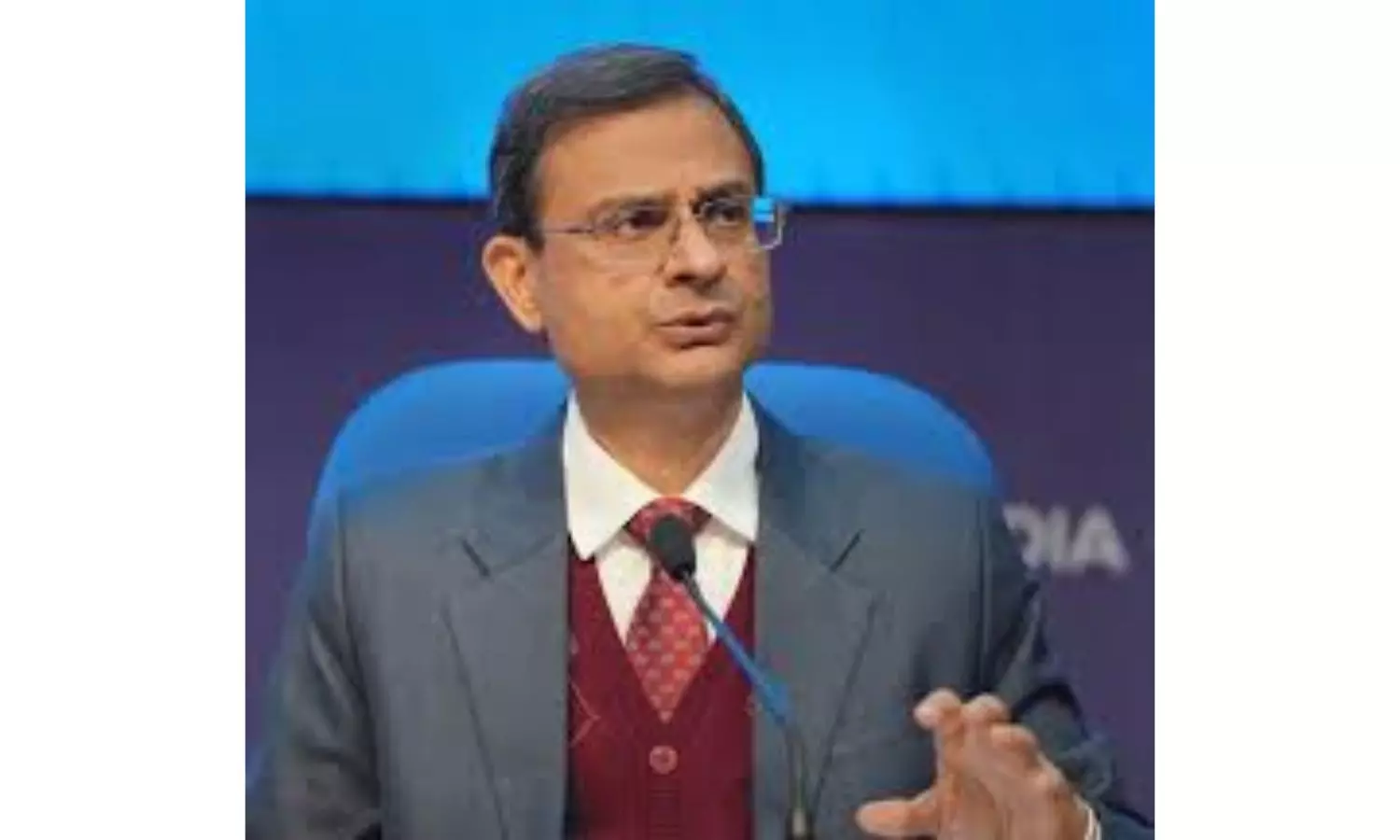
Mumbai: With inflation outlook remaining benign and economic growth momentum likely to decelerate in the second half of FY26 and first half of FY27 due to headwinds from trade and tariff-related uncertainties, the Reserve Bank of India (RBI) Governor Sanjay Malhotra voted for a 25-bps rate cut in December policy, according to the minutes of the Monetary Policy Committee (MPC) meeting released on Friday.
“Thus, demand pressures, as evident from low core inflation (excluding precious metals), are minimal and projected to remain low in the next three quarters. Considering the benign inflation outlook – headline as well as core – real interest rates need to be lower. Therefore, I vote for a 25-bps rate cut. This will also stimulate demand and be growth-supportive,” Malhotra said.
Malhotra also favored retaining the neutral stance “which gives the requisite flexibility to remain data-dependent and act according to the evolving macroeconomic conditions and outlook.”
Interestingly, Ram Singh, an external member of the RBI’s MPC said a delay in the rate cut would hurt real GDP growth by keeping real interest rates unnecessarily above growth-supportive levels. “The delay will extend the low-inflation phase, which has important implications both micro and macro including a less-than expected nominal GDP growth.
The RBI cut the repo rate by 25 basis points (bps) to 5.25 per cent on December 5, citing a “rare goldilocks period” where growth remains robust and inflation benign. For FY26, the six-member MPC had raised its GDP forecast to 7.3 per cent from 6.8 per cent previously and lowered the retail inflation projection to 2 per cent from 2.6 per cent.
Meanwhile, the Central Board of Directors of RBI has approved a risk-based deposit insurance framework for banks at its meeting in Hyderabad on Friday.
The approval follows the Central Bank’s statement in October, in which it had proposed a risk-based premium model. As opposed to the existing flat rate premium-based deposit insurance scheme, the risk based framework is expected to help banks that are sound financially to save significantly on the premium paid.
The Deposit Insurance and Credit Guarantee Corporation (DICGC) has been operating the flat rate premium-based deposit insurance scheme since 1962. Under the scheme, the banks are now charged a premium of 12 paise per ₹100 of assessable deposits. “While the existing system is simple to understand and administer, it does not differentiate between banks based on their soundness. It is, therefore, proposed to introduce a Risk-Based Premium model,” RBI had said in the statement earlier.
Detailed notification will be issued shortly and the framework will be effective from next financial year, RBI had then said.
