PM Chairs Meeting to Review Energy, Fertiliser Supply

The discussion focused on ensuring uninterrupted supply, stable logistics, and efficient distribution of essential resources across the country. The conflict in West Asia has entered its fourth week, disrupting trade routes through the Strait of Hormuz
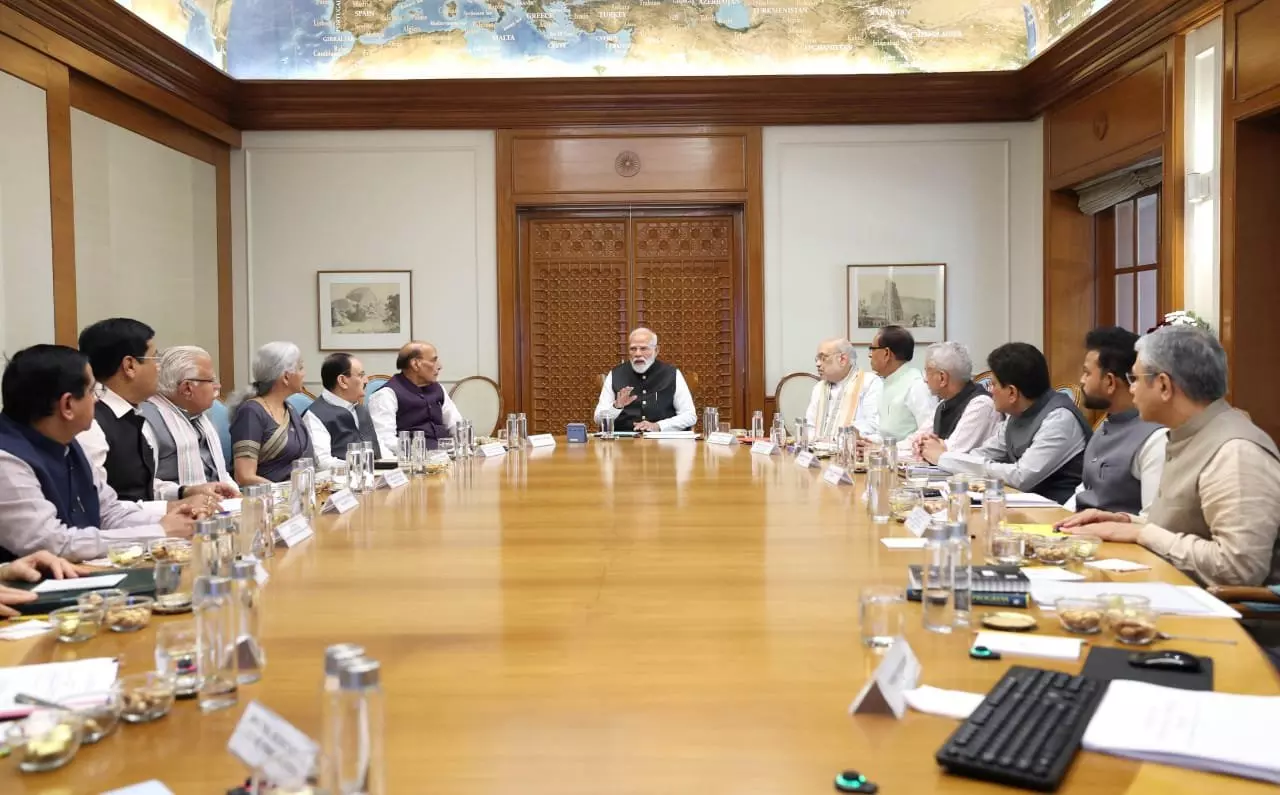
New Delhi: In view of the ongoing West Asia war situation, Prime Minister Narendra Modi on Sunday held a crucial and high-level cabinet meeting with key cabinet ministers along with their top officials to assess the preparedness of the situation related to a host of issues, including the exports and imports, crude and petroleum, power and fertiliser among others. The government is taking proactive steps to ensure energy security and an uninterrupted supply of all essential goods, including petroleum products, fertilisers among others, according to top sources.
The sources also said that the discussion mainly focused on ensuring uninterrupted supply, stable logistics, and efficient distribution of essential resources across the country. “Top officials from key ministries briefed the prime minister on preparedness on safeguarding energy security and supply chains should remain resilient, with an emphasis on minimising any impact on consumers and key sectors of the country’s economy,” the sources said.
As the West Asia conflict entered its fourth week, trade routes through the Strait of Hormuz have reportedly caused supply chain disruption globally. Iran’s control over the Strait of Hormuz, a key global shipping route for energy supplies, has significantly impacted movement, with limited ships allowed to pass. As a result, the blockade has disrupted energy supplies to several countries, including India.
Besides, tensions also escalated following the killing of 86-year-old Iran’s supreme leader, Ayatollah Ali Khamenei, in joint military strikes by the US and Israel on February 28. In retaliation, Iran targeted Israeli and US assets across several Gulf countries, causing further disruptions to the waterway and impacting international energy markets as well as global economic stability.
As the shocks of the middle-east war gripped the country in some way or the other, the sources further said that they are closely monitoring the situation in their respective ministries and providing possible solutions as and when required. The ministry of petroleum and natural gas, for instance, underlined that domestic LPG cylinder deliveries remain normal across India, and panic bookings have significantly reduced.
Those who attended the meeting include Union defence minister Rajnath Singh, home minister Amit Shah, finance minister Nirmala Sitharaman, external affairs minister Dr S Jaishankar, commerce minister Piyush Goyal, agriculture minister Shivraj Singh Chouhan, petroleum and natural gas minister Hardeep Singh Puri, chemicals and fertilisers minister JP Nadda, civil aviation minister K Rammohan Naidu, power minister Manohar Lal and information and broadcasting minister Ashwini Vaishnaw among other top officials in the concerned ministries.
On March 12, PM Modi had said that the war in the Middle East region triggered a worldwide energy crisis, calling it a ‘critical test of national character’ that requires handling the situation with peace, patience and greater public awareness. He had also emphasised that the government is working relentlessly to address disruptions in international supply chains. “Continuous efforts are also underway to determine how we can overcome the disruptions that have occurred in the supply chain,” Modi had said.
