Parliament passes Bill to Open Nuclear Sector to Private Players

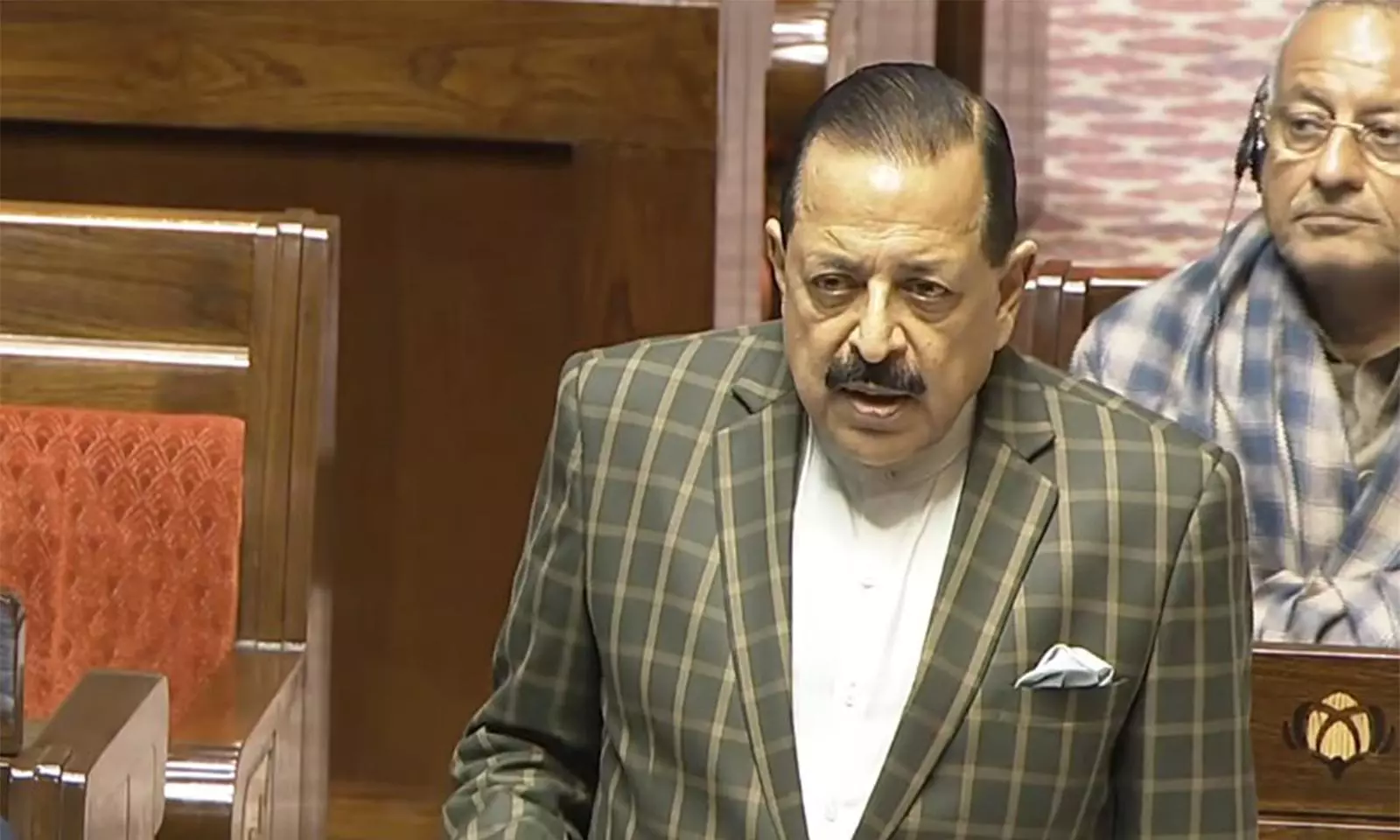
Replying to the debate, Science and Technology Minister Jitendra Singh sought to allay opposition concerns, stating that safety provisions had not been diluted
New Delhi: Parliament on Thursday passed a bill aimed at increasing the share of nuclear energy in India’s overall energy mix, promoting innovation in nuclear science and technology, and granting statutory status to the Atomic Energy Regulatory Board.
The Sustainable Harnessing and Advancement of Nuclear Energy for Transforming India Bill, 2025 (SHANTI Bill) was cleared by the Rajya Sabha a day after its passage in the Lok Sabha.
Replying to the debate, Science and Technology Minister Jitendra Singh sought to allay opposition concerns, stating that safety provisions had not been diluted. The Bill repeals the Atomic Energy Act, 1962 and the Civil Liability for Nuclear Damage Act, 2010.
The minister said the legislation aligns with India’s goals of energy independence, decarbonisation by 2070, and achieving 100 gigawatts of nuclear power capacity by 2047. It aims to expand nuclear applications beyond power generation while honouring India’s commitments to safety, security, safeguards and nuclear liability.
Opposition members demanded that the Bill be referred to a standing or select committee, citing its long-term implications. They alleged dilution of liability provisions and questioned whether the government faced external pressure. All opposition amendments were rejected.
Jitendra Singh said the Bill was drafted after extensive consultations over more than a year with multiple stakeholders, including industry leaders, scientific experts and startups.
The Bill opens the atomic energy sector to private participation and supports newer technologies such as small modular reactors. The minister highlighted the creation of a Rs one lakh crore RDI fund to encourage private-sector research and development.
Addressing liability concerns, Singh said compensation to victims has not been reduced. Operator liability has been rationalised through graded caps linked to reactor size, while a multi-layered compensation mechanism includes operator liability, a proposed Nuclear Liability Fund and international compensation under the Convention on Supplementary Compensation.
He clarified that sensitive materials, spent fuel and heavy water will remain under government control, and safety and security oversight will continue unchanged.
The minister also said India’s nuclear capacity has doubled since 2014 and the Department of Atomic Energy’s budget has risen by nearly 170 per cent over the past decade. Scaling up nuclear energy, he added, is crucial to meet growing demand from sectors such as healthcare, industry and data processing.
The Bill also recognises non-power uses of nuclear energy, including cancer care and agriculture, and, for the first time, explicitly includes environmental and economic damage within the definition of nuclear harm.
During the debate, Congress leader Jairam Ramesh acknowledged India’s progress in peaceful nuclear energy use and said domestic private players should build on India’s own strengths rather than rely heavily on foreign companies.
