J&K Security Reviewed in High‑Level Meeting at Srinagar’s Lok Bhavan

The discussions reflected the Union Territory’s evolving security priorities, the operational tempo of counterterror efforts, and the broader geopolitical environment influencing the region
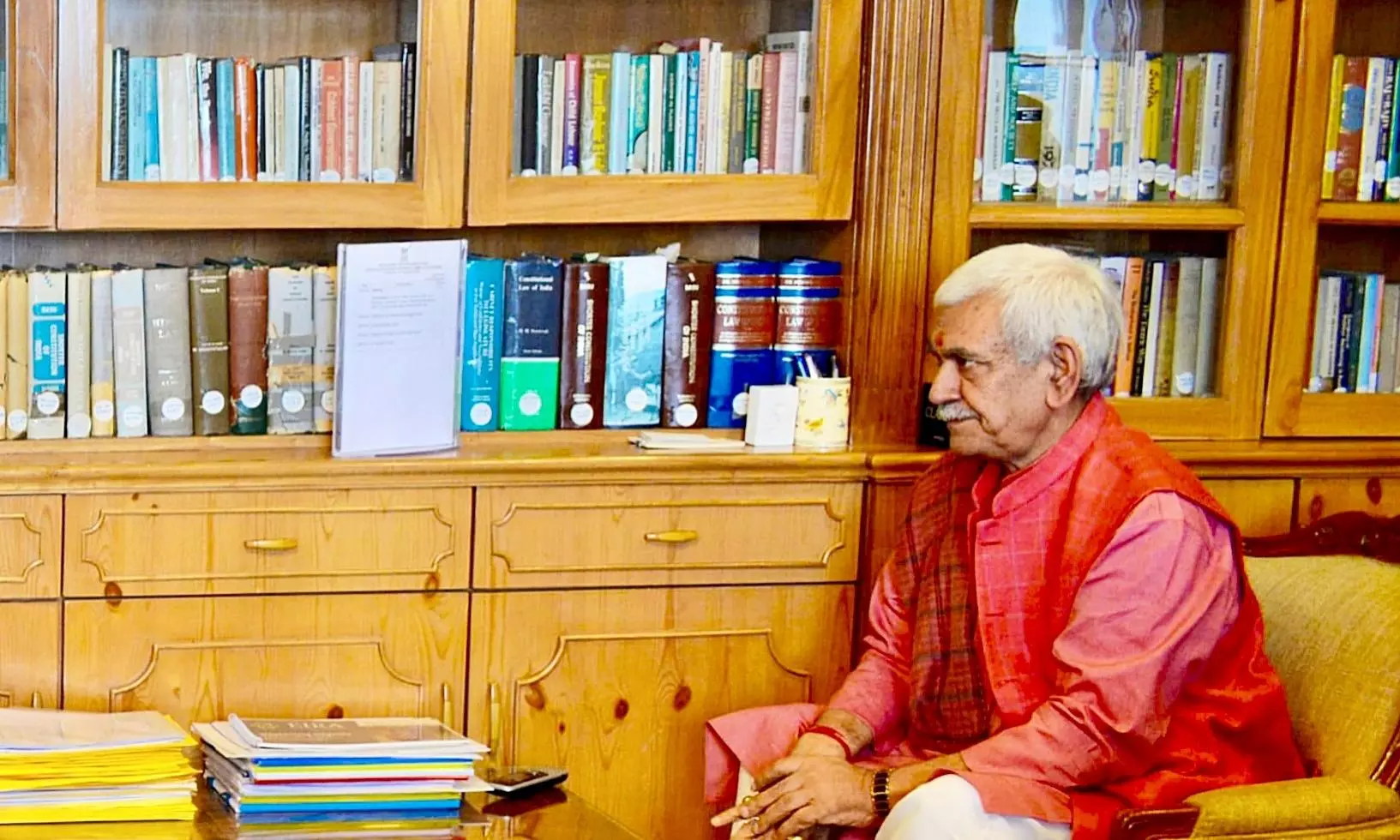
SRINAGAR: The security landscape in Jammu and Kashmir—spanning both the hinterland and the sensitive stretches along the Line of Control with Pakistan—was examined in comprehensive detail during a high‑level meeting convened at Lok Bhavan on Tuesday. The discussions reflected the Union Territory’s evolving security priorities, the operational tempo of counterterror efforts, and the broader geopolitical environment influencing the region.
Lieutenant Governor Manoj Sinha chaired the meeting, leading an extensive assessment of the prevailing security scenario across J&K. Senior military and police leadership participated, including Lt. General Pratik Sharma, General Officer Commanding‑in‑Chief, Northern Command, Nalin Prabhat, Director General of Police, J&K, Lt. General Prashant Srivastava, GOC 15 Corps; and Major General Balbir Singh, MGGS, Northern Command. Their presence underscored the integrated civil‑military approach that has become central to maintaining stability in the Union Territory, official sources said.
A significant portion of the deliberations focused on the Indian Army–led Operation Thrash‑I in eastern Kishtwar, an operation that marked a major counterterror success last month. During this campaign, security forces neutralised six hardened Pakistani militants, including their commander Saifullah, who had been linked to multiple terror activities in the region. The meeting reviewed the intelligence inputs, tactical execution, and follow‑up measures associated with the operation, while also evaluating ongoing counterinsurgency and counterterror campaigns across the Valley and Jammu region. Officials examined patterns of infiltration, the status of over‑ground networks, and the readiness of forces to respond to emerging threats.
According to official sources, the discussions also extended to the regional security implications of the ongoing crisis in West Asia, particularly its potential to influence militant activity, funding channels, and propaganda efforts in Kashmir. The leadership assessed how shifting geopolitical dynamics could shape the threat environment and considered measures to pre‑empt any spillover effects.
The meeting concluded with a reaffirmation of the administration’s commitment to maintaining peace, strengthening coordination among security agencies, and sustaining pressure on terror networks operating within and across the border, the sources said. End it
