Indian Households Pay Among Lowest LPG Rates in World: Centre

The ministry said the increase was necessitated by a sharp rise in international LPG prices triggered by disruptions in West Asia
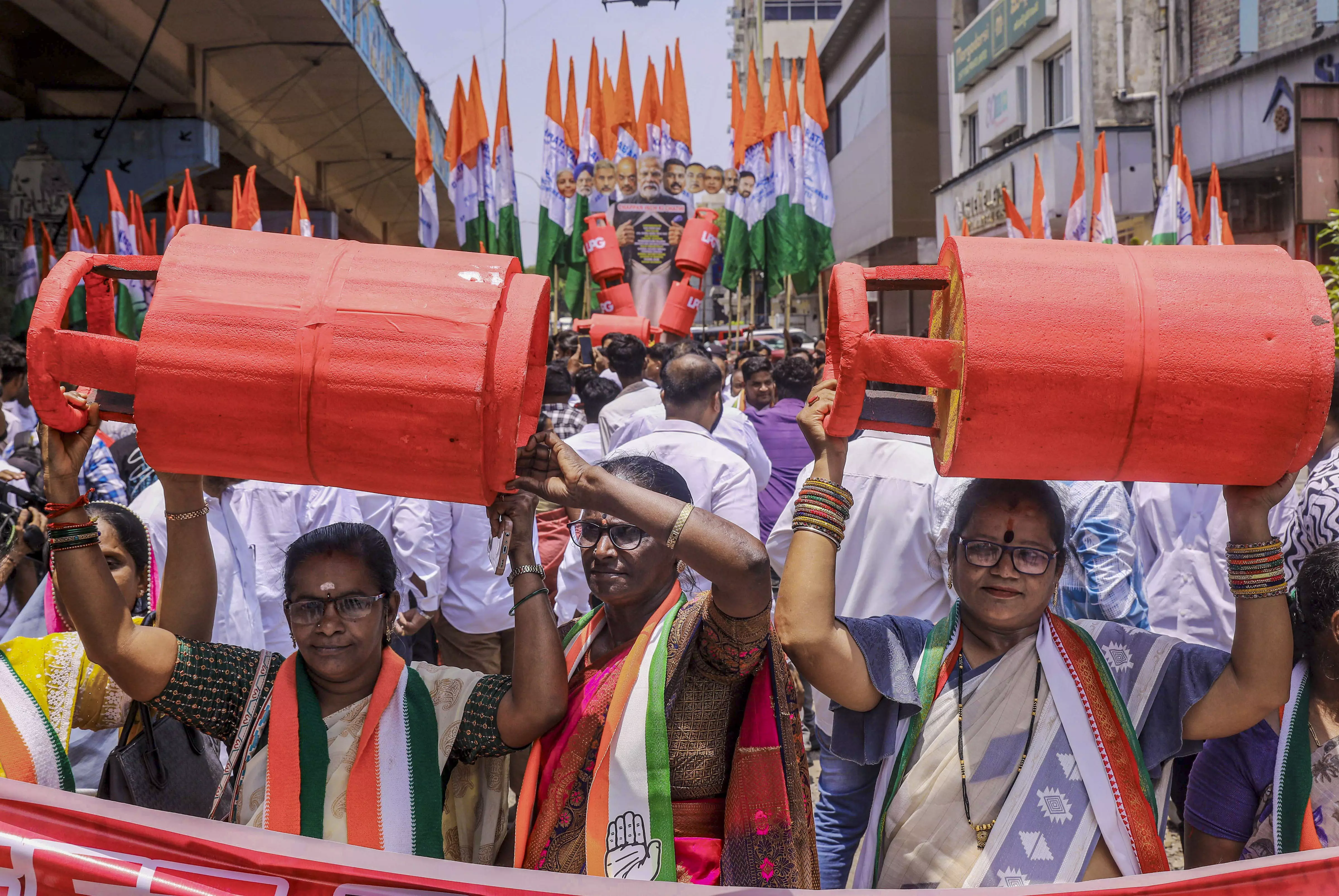
New Delhi: The Ministry of Petroleum and Natural Gas on Sunday said Indian households continue to receive cooking gas at prices significantly lower than those prevailing in neighbouring countries and major developed economies, even after a ₹29 increase in domestic LPG cylinder prices.
Following the latest revision, a 14.2 kg domestic LPG cylinder costs ₹942 for general consumers in Delhi. Beneficiaries of the Pradhan Mantri Ujjwala Yojana (PMUY) effectively pay ₹642 per cylinder after receiving a direct benefit transfer (DBT) subsidy of ₹300 on the first four refills each year.
The ministry said the increase was necessitated by a sharp rise in international LPG prices triggered by disruptions in West Asia. Despite the revision, the government continues to shield consumers from the full impact of global market rates.
According to the ministry, the actual import-linked cost of supplying a domestic LPG cylinder has risen to more than ₹1,600. This means even non-PMUY consumers are paying around ₹700 less than the market-linked cost, while Ujjwala beneficiaries receive an even larger discount.
The government highlighted that LPG prices in India remain lower than those in neighbouring countries. A comparable cylinder costs around ₹1,046 in Pakistan, ₹1,207 in Nepal, ₹1,225 in Bangladesh and ₹1,241 in Sri Lanka. Prices are substantially higher in developed nations, including approximately ₹1,755 in the United States, ₹1,765 in Australia and ₹2,411 in Canada.
The ministry noted that international LPG prices are linked to the Saudi Contract Price (CP), which has risen sharply in recent months. The benchmark increased from about USD 543 per tonne in February to around USD 790 per tonne in June, representing a jump of nearly 46 percent following disruptions in the Strait of Hormuz.
Officials said the closure and disruption of traffic through the Strait of Hormuz affected global energy supplies, with about 54 percent of India's LPG imports typically routed through the waterway. Despite the challenges, India maintained uninterrupted fuel supplies by ensuring continued movement of energy cargoes and diversifying sourcing from countries such as the United States, Canada and Algeria.
To strengthen domestic supply, LPG production within the country was increased by more than 60 percent, while additional measures were taken to prevent diversion of subsidised cylinders into commercial markets. OTP-based delivery verification was also expanded significantly.
The ministry explained that the gap between international costs and regulated retail prices, known as under-recovery, is separate from the subsidy paid to Ujjwala beneficiaries. Domestic LPG under-recoveries reached approximately ₹60,000 crore during the last financial year, compared with ₹41,338 crore a year earlier. The Union Cabinet has approved ₹30,000 crore in compensation to public sector oil marketing companies.
More than 10.58 crore Ujjwala beneficiaries continue to receive an additional ₹300 subsidy per cylinder directly into their bank accounts. According to the ministry, the effective Ujjwala price of ₹642 represents a discount of about 60 percent from the actual international cost of a cylinder, while the general consumer price of ₹942 remains around 45 percent below global market levels.
The government said India has managed to keep cooking gas affordable despite significant volatility in global energy markets and continues to provide some of the lowest household LPG prices in the world.
