India Ranks 3rd Globally in Power Generation Growth

19 Jun 2025 3:55 PM IST19 Jun 2025 3:55 PM IST
The report noted a sharp rise in clean energy investments, particularly in solar photovoltaic (PV) projects
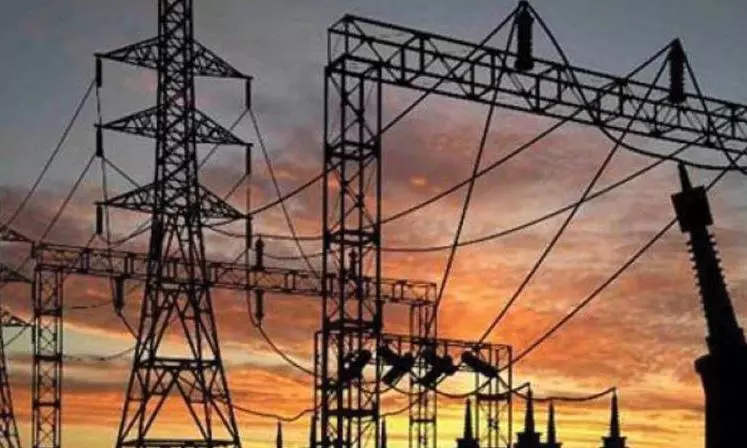
India has emerged as the country with the third-largest growth in power generation capacity globally over the past five years (Representational file image)
New Delhi: India has emerged as the country with the third-largest growth in power generation capacity globally over the past five years, according to the latest report by the International Energy Agency (IEA). Only China and the United States have surpassed India during this period.
The report highlighted that India’s electricity demand has been rising sharply due to multiple factors. These include the expansion of commercial and residential infrastructure, increased use of air conditioners and other household appliances, and growing industrial demand.
To meet this rising demand, power generation has expanded across all energy sources. A significant driver of this expansion has been India’s strong push toward renewable energy.
The report noted a sharp rise in clean energy investments, particularly in solar photovoltaic (PV) projects. Solar PV alone accounted for more than half of India’s total non-fossil energy investments in the past five years. In 2024, a remarkable 83% of the country’s power sector investment went into clean energy.
India was also the largest recipient of development finance institution (DFI) funding for clean energy in 2024, receiving around USD 2.4 billion in project-specific funding.
Foreign direct investment (FDI) in the power sector has also shown steady growth, reaching USD 5 billion in 2023—nearly double the pre-pandemic level. This is driven in part by favorable government policies allowing 100% FDI in all electricity generation and transmission areas, excluding nuclear power.
However, the report pointed out that foreign portfolio investment in India’s energy sector has declined over the past two years, due to a mix of macroeconomic and sector-specific factors. Despite this, the long-term outlook remains positive.
Overall, the IEA report underlines India’s impressive performance in scaling up power generation and accelerating its clean energy transition.
The report highlighted that India’s electricity demand has been rising sharply due to multiple factors. These include the expansion of commercial and residential infrastructure, increased use of air conditioners and other household appliances, and growing industrial demand.
To meet this rising demand, power generation has expanded across all energy sources. A significant driver of this expansion has been India’s strong push toward renewable energy.
The report noted a sharp rise in clean energy investments, particularly in solar photovoltaic (PV) projects. Solar PV alone accounted for more than half of India’s total non-fossil energy investments in the past five years. In 2024, a remarkable 83% of the country’s power sector investment went into clean energy.
India was also the largest recipient of development finance institution (DFI) funding for clean energy in 2024, receiving around USD 2.4 billion in project-specific funding.
Foreign direct investment (FDI) in the power sector has also shown steady growth, reaching USD 5 billion in 2023—nearly double the pre-pandemic level. This is driven in part by favorable government policies allowing 100% FDI in all electricity generation and transmission areas, excluding nuclear power.
However, the report pointed out that foreign portfolio investment in India’s energy sector has declined over the past two years, due to a mix of macroeconomic and sector-specific factors. Despite this, the long-term outlook remains positive.
Overall, the IEA report underlines India’s impressive performance in scaling up power generation and accelerating its clean energy transition.
( Source : ANI )

Next Story