Environmental Damage in Bundelkhand Is Making Banda Hotter Every Summer

Experts believe this is not only because of the heatwave, but also due to environmental damage in the Bundelkhand region
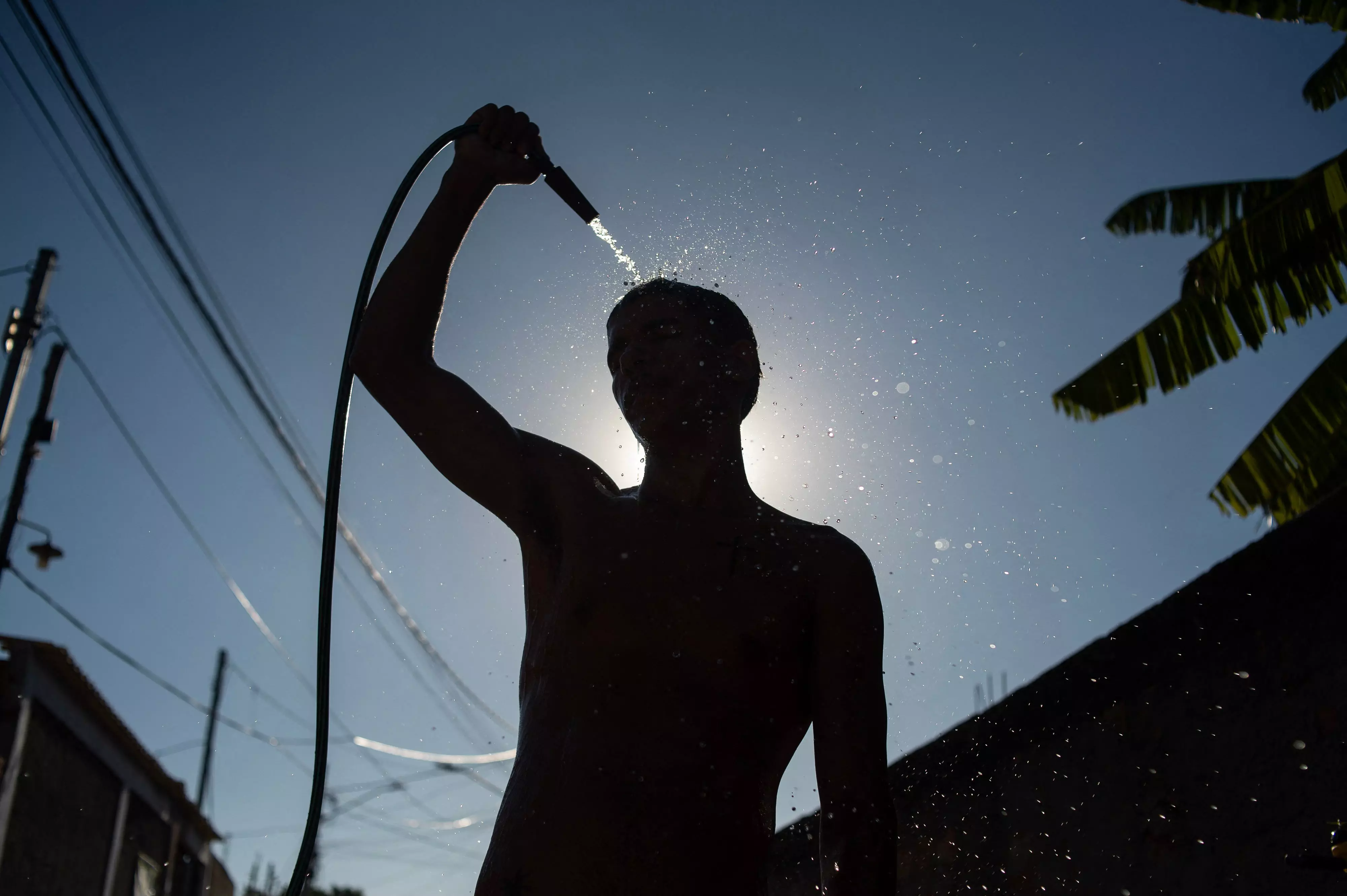
Life in Banda district of Uttar Pradesh has changed drastically because of the extreme heat. Temperatures recently touched 48.2 degree Celsius, making Banda one of the hottest places in India. By ten in the morning all the shops close down, roads become empty and most people stay indoors to escape the heat.
Shopkeepers and workers have started changing their daily routines. Many people begin work early in the morning, as early as 5 or 6 am, and return home before the sun becomes too harsh. Farmers are even working at night under LED lights because daylight labour has become truly unbearable. Labourers are reportedly losing wages because they are unable to work during the hottest hours of the day.
The intense heat is also affecting businesses and daily life. Tea stalls and food shops now open mostly after sunset. Construction work slows down in the afternoon, and migration from villages has started earlier than usual this year. Residents say the heat is becoming worse every summer.
Environmental damage at fault too
Experts believe this is not only because of the heatwave, but also due to environmental damage in the Bundelkhand region. Over the years, Banda has seen large-scale mining, deforestation, shrinking rivers, and falling groundwater levels. Researchers say the loss of forests and water bodies has reduced moisture in the area, making the land hotter and drier.
Electricity systems are also under pressure. Due to heavy use of coolers and fans, transformers are overheating. In some areas, workers are pouring water on transformers to stop them from failing in the extreme temperatures.
Despite the harsh conditions, life slowly returns in the evening when temperatures drop slightly. Shops and markets reopen, motorcycles return to the roads, and people step outside again after sunset. But residents fear that if temperatures continue to rise every year, Banda could become increasingly difficult to live in.
This article is written by Yashasvi M, a student of St. Francis College for Women, interning with Deccan Chronicle.
