A New Regional Front in Odisha Could Be a Possibility, Unless BJD Reinvents Itself, Says Former Lawmakers
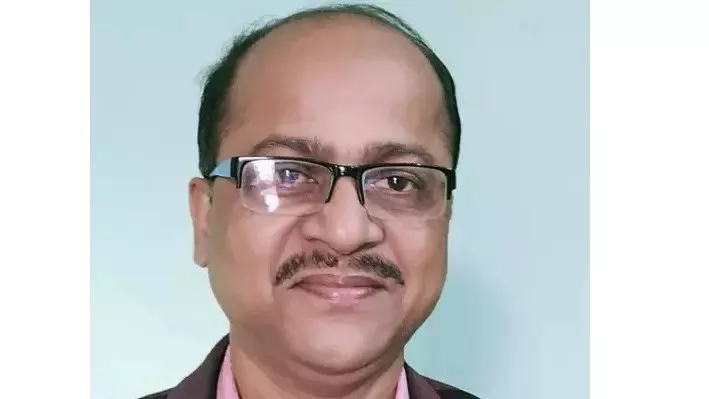
Earlier introducing the topic of the conclave, founder director of Odisha Dialogues Rajesh Mahapatra said independent India’s history tells that the weakening of federalism leads to weakening of democracy and vice versa.
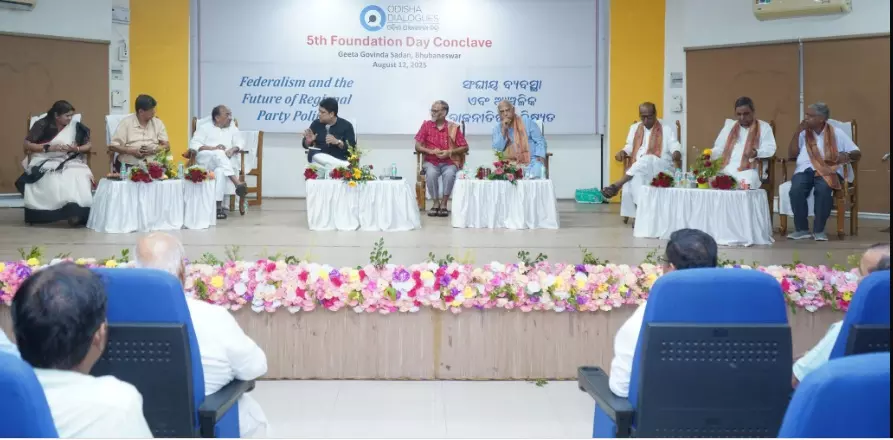
Bhubaneswar: Regional parties have always had, and continue to have greater acceptance in Odisha. Given its social and cultural history, the political environment of the state has always been conducive for regional party politics, which is why Biju Janata Dal could be in power for 25 years.
However, in the aftermath of the 2024 elections, there seems to be a growing clamour for an alternative regional party as the BJD has failed to live up to regional aspirations, eminent politicians and thought leaders said at a conclave organised Tuesday evening to discuss federalism and the future of regional party politics.
Regional parties always help strengthen federalism, and federalism is at the heart of democracy, said Dr Yamini Aiyar, former president and CEO of New Delhi based Centre for Policy Research. Aiyar, who delivered the keynote address, also argued that a double-engine sarkar may not necessarily deliver better development and governance to a state as we have seen in Odisha over the past year.
People of Odisha may want to explore the possibility of a new regional party, but any such possibility must be pursued with a clear agenda and a strong leadership, said Soumya Ranjan Patnaik, former Rajya Sabha MP.
Former finance minister Prafulla Ghadai and former Union minister Braja Kishore Tripathy echoed Patnaik’s suggestion. Whenever national parties are in power, the state’s interests have not been justly addressed, Ghadai said. On the other hand, given the social, economic and political diversity of India, regional parties are always better positioned to serve the people of their states, Tripathy argued.
CPI(M) leader Santosh Das said it was not always true that regional parties delivered better because they were closer to the people. Unless a regional party sets itself clear ideological goals and truly embraces the politics of decentralisation and participatory governance, the outcome could even be worse than the rule of a national party.
Vijay Mahajan, National Convenor of Bharat Jodo Abhiyan, pointed out that while the state’s gross domestic product had grown at an accelerated pace well under the BJD government, it didn’t translate into improving people’s lives. While Odisha’s rank among the states and union territories improved to 15 in terms of per capita income, it remained one of the worst performers on human development indicators, ranked 32nd.
While agreeing with other speakers on the need to explore a new regional front, senior political leader Bijoy Mohapatra advised caution and patience. There is an environment of instability and uncertainty, he said, suggesting a “wait and watch” approach. The coming year, 2026, will be a turning point not only for politics in Odisha but also for politics at a national level. The upcoming elections for the post of vice president will be a test for the BJD, he said.
BJD leader Latika Pradhan said BJD always remained committed to the idea of a strong federal system and that her party always worked to promote and protect the interests of Odisha.
Earlier introducing the topic of the conclave, founder director of Odisha Dialogues Rajesh Mahapatra said independent India’s history tells that the weakening of federalism leads to weakening of democracy and vice versa.
“People often think a strong leader and a centralised system of governance can deliver better until they come to be at the receiving end. And when they do, it might be too late, which is why it is imperative to strengthen federalism, and thus strengthen democracy,” Mahapatra said. Regional parties do have an important role to play in this regard, he said.
