SC Acquits Odisha Man After 22 Yrs In Jail In Triple Murder Case; Orders Rehab

SC Bench remarked that the trial court failed to properly evaluate the evidence, while the appellate process did not adequately address the shortcomings, resulting in 22 years jail.
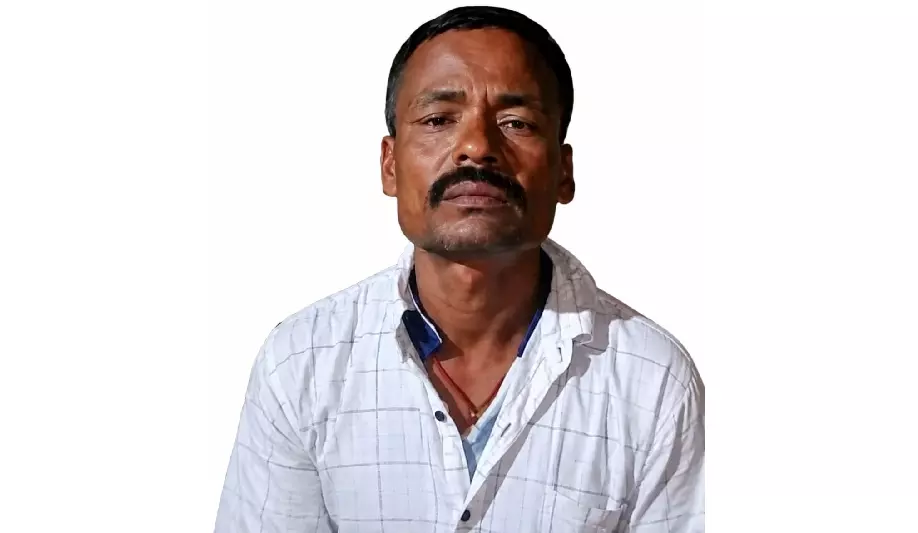
Bhubaneswar: After spending 22 long years in prison for a triple murder conviction, a man from Odisha’s Nabarangpur district has finally received a fresh lease of life after the Supreme Court acquitted him, observing that his conviction was based on unreliable evidence and a “shaky” eyewitness account.
A Division Bench of the Supreme Court comprising Justice J.B. Pardiwala and Justice K. Vinod Chandran set aside the judgments of the trial court and acquitted the appellant Arjun Jani, who had approached the apex court with legal assistance after spending more than two decades behind bars.
The Court, while highlighting the human cost of a wrongful conviction, observed that the accused was taken into custody on mere suspicion and a confession was extracted through third-degree methods. The Bench remarked that the trial court failed to properly evaluate the evidence, while the appellate process did not adequately address the shortcomings, resulting in “22 years being erased out of a person’s life without any reliable evidence.”
The case related to the brutal murder of three women — Kamala, Sonbari and Ratanai — in the densely populated Hirli Dangari locality inhabited largely by marginalised communities. The prosecution case rested primarily on the testimony of an eyewitness who claimed to have seen the accused assaulting Ratanai and fleeing to a neighbour’s house after being threatened.
However, the Supreme Court found several inconsistencies in the testimony. The Bench noted that while the witness claimed to have seen the murder of Ratanai, she did not witness the killing of the other two women, nor did she notice their bodies while passing through the area at night.
The Court also pointed out lapses in the investigation, including the failure of the investigating officer to prepare a proper sketch of the crime scene despite three persons being murdered. The recovery of stones and bricks allegedly connected to the crime was also found unreliable, as no blood stains were detected during forensic examination.
“An eyewitness account can form the basis of conviction, but only when it is believable, credible, consistent with surrounding circumstances and inspires confidence,” the Bench observed.
The Court said the prosecution evidence left “a serious doubt” about the guilt of the accused and that the testimony relied upon for conviction was “highly improbable.”
While ordering his acquittal, the Supreme Court also directed the District Legal Services Authority, Koraput, to undertake efforts for the appellant’s rehabilitation or resettlement, with assistance from the district administration headed by the Collector.
“The verdict has brought relief to a man who lost the prime years of his life behind prison walls, while also underlining the judiciary’s responsibility to ensure that justice is not only delivered but also reaches those who have suffered due to failures in the criminal justice system,” said Dr Gouranga Charan Rout, a development activist and social worker.
