Juvenile Accused of Murder Can Be Tried as Adult if Conditions Met: SC

The observations were made as the SC bench dismissed an appeal of a juvenile against a Patna HC verdict allowing his trial as an adult for murdering a boy
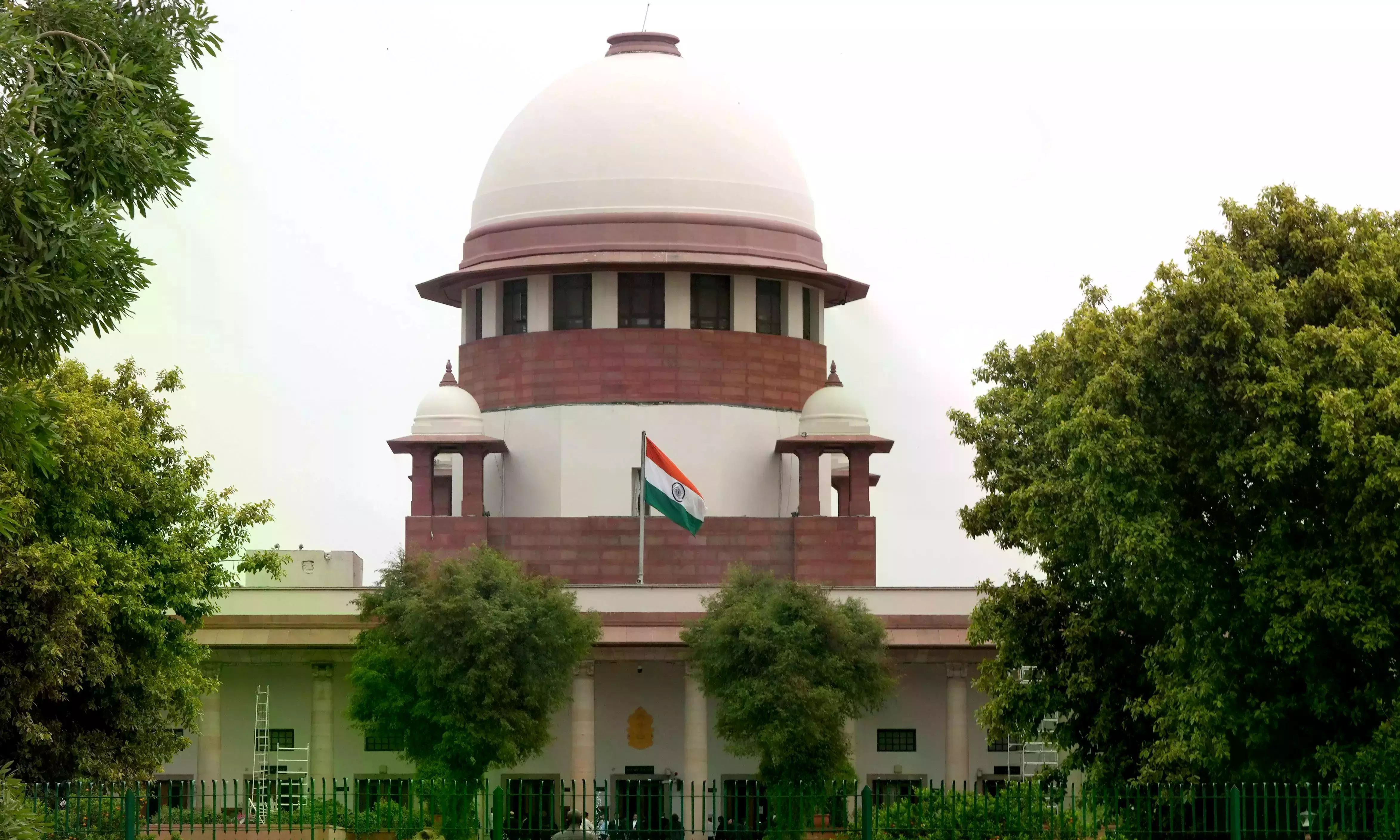
New Delhi: The Supreme Court on Tuesday held that a juvenile, accused of murder, can be tried as an adult if statutory requirements are met as such a crime is a "heinous offence" under juvenile justice law.
A bench comprising justices JB Pardiwala and Ujjal Bhuyan made the observations while dismissing an appeal of a juvenile against a Patna High Court verdict allowing his trial as an adult for murdering a boy.
The judgement, aimed at clarifying the legal framework for trying minors as adults, ruled that murder (Section 302 of the IPC) must be classified as a "heinous offence" under the Juvenile Justice (Care and Protection of Children) Act of 2015.
The verdict came on an appeal by a 16-year-old juvenile who allegedly slit a boy's throat in Bihar.
The high court had held that there was a need for trial of the appellant as an adult, and accordingly directed the Juvenile Justice Board to transfer the trial of the case to a regular court.
The core of the legal battle was based on a technicality in sentencing definitions. Under the JJ Act, "heinous offences" are those with a minimum imprisonment of seven years or more.
The juvenile's counsel had argued that since Section 302 of the IPC prescribes "death or imprisonment for life" but does not explicitly use the word "minimum", murder should be categorized as a "serious offence" rather than a "heinous" one.
Justice Pardiwala, writing the judgement for the bench, said that life imprisonment is, by necessary implication, the minimum punishment for murder since courts cannot impose a sentence below life imprisonment upon conviction under Section 302.
"The offence punishable under Section 302 of the IPC, which prescribes punishment of 'death or imprisonment for life', carries life imprisonment as its minimum punishment. It would therefore be categorized as a 'heinous offence'," the judgment said.
The Juvenile Justice Board had initially decided that the child should be tried by the Board itself, but the appellate sessions court reversed that decision.
The decision to try the juvenile as an adult was later upheld by the high court. An appeal was preferred in the apex court by the juvenile.
The top court said that the category of "serious offences" as referred to in the Juvenile Justice Act applies only where the law prescribes no minimum sentence or a minimum sentence of less than seven years.
It ruled that Section 302 falls squarely within the definition of a "heinous offence" because the punishment cannot be less than life imprisonment.
It also held that under Section 101(2) of the Juvenile Justice Act, a sessions court, hearing an appeal against a preliminary assessment, is not mandatorily required to obtain fresh assistance from psychologists or medical experts in every case.
The word "may" in the provision confers discretion, and expert assistance should be sought depending on the facts and circumstances of each case rather than as a universal requirement.
