CM Yadav Orders House-To-House Survey In Ken-Betwa Project-Hit Villages
The project would bring significant improvements in irrigation, drinking water supply and energy sectors in the region.
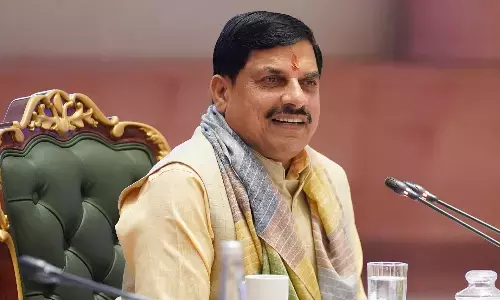
Bhopal: Madhya Pradesh chief minister Mohan Yadav has ordered the local administrations to make house-to-house visits in the villages facing relocation due to the ambitious Ken-Betwa-river-linking project to cover the affected families under various government schemes and rehabilitation packages.
Reviewing the project at Khajuraho in Chhatarpur district in Madhya Pradesh, Mr. Yadav called it a project of national importance and said that it would be a milestone in the development of the entire parched Bundelkhand region covering Madhya Pradesh and Uttar Pradesh.
The project would bring significant improvements in irrigation, drinking water supply and energy sectors in the region.
He said that ensuring the welfare of the affected and displaced families alongside development remains the government’s priority.
Amid allegations of denial of rehabilitation package to some villagers facing displacement by the project, the chief minister directed the Panna and Chhatarpur district administrations to ensure that officials visit every household in the affected villages to understand the actual situation and problems of the families and resolve them.
He directed the officials to ensure doorstep delivery of government scheme benefits to eligible displaced families.
He said that where families have settled at new locations, concrete action plans should be prepared to provide essential facilities such as schools, Anganwadi centers, healthcare facilities and community halls.
He asked the officials concerned to organize ‘Jan Chaupals’ (meetings) and awareness yatras in affected areas to inform people about the project’s benefits.
The foundation stone for the interstate project was laid in December 2024 and it is scheduled to be completed in 2023.
Upon completion, the project would increase irrigation capacity by 11 lakh hectares and provide drinking water benefits to 44 lakh people in Madhya Pradesh.
The project also envisages generation of 103 MW of hydropower and 27 MW of solar power.
