Gavai flags vulnerabilities, exploitation, harmful practices
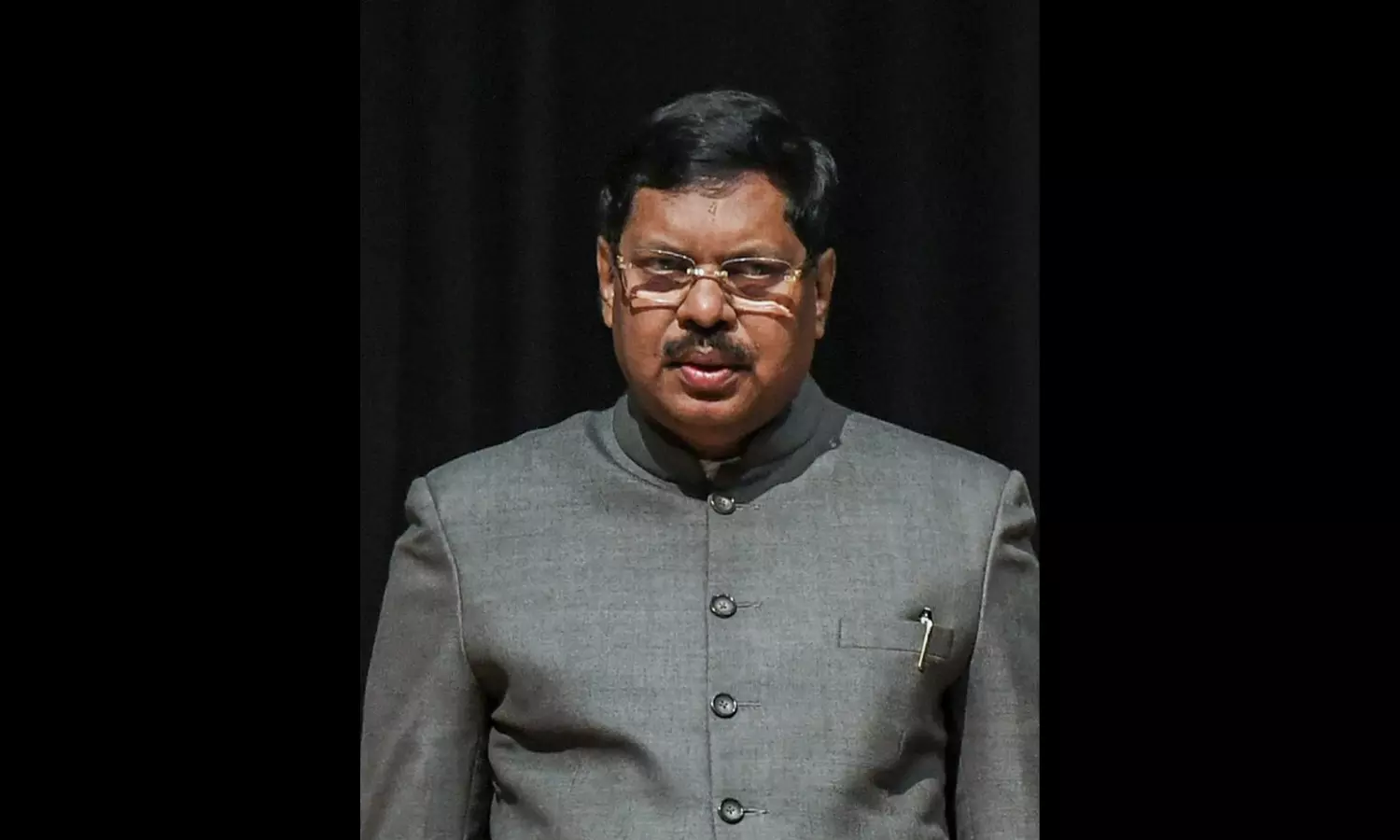
New Delhi: Chief Justice of India B.R. Gavai on Saturday highlighted the growing vulnerability of the girl child in the digital era, citing threats such as online harassment, cyberbullying, digital stalking, misuse of personal data, and deepfake imagery. He called for the enactment of specialised laws and training of law enforcers and decision makers to address these challenges.
The CJI made these remarks while speaking at the National Annual Stakeholders Consultation on “Safeguarding the Girl Child: Towards a Safer and Enabling Environment for Her in India”, organised by the Juvenile Justice Committee (JJC) of the Supreme Court in association with Unicef India.
CJI Gavai said that despite constitutional and legal safeguards, many girls across the country are still denied their fundamental rights and even basic necessities, leaving them vulnerable to sexual abuse, exploitation, and harmful practices such as female genital mutilation, malnutrition, sex-selective abortions, trafficking, and child marriage.
“To secure her safety is not merely to protect her body, but to free her spirit, to create a society where she can hold her head high in dignity, and where her aspirations are nourished by education and equality,” the CJI said. “We must confront and overcome the deep-rooted patriarchal customs that continue to deny girls their rightful place.”
Recalling Rabindranath Tagore’s poem ‘Where the Mind is Without Fear’, Justice Gavai said it captures the very essence of the goal of safeguarding the girl child. “That vision remains incomplete so long as any girl in our country lives in fear, fear of violence, discrimination, or being denied the chance to learn and dream,” he said, adding that only when every girl grows up in freedom and respect can the country truly awaken into that ‘heaven of freedom’ Tagore envisioned.
Calling for a deeper examination of the social, economic, and cultural barriers that continue to impede girls’ lives, the CJI, in the presence of Union minister for women and child development Annpurna Devi and Unicef India representative Cynthia McCaffrey, said that the threats faced by girls today are no longer confined to physical spaces but have expanded into the vast and largely unregulated digital world.
“In today’s technological era, where innovation defines progress, it is crucial to recognise that while technology empowers, it also brings new vulnerabilities,” he said. “From online harassment and cyberbullying to digital stalking and deepfake misuse, the challenges have grown in both scale and sophistication.”
Pointing to the need for specialised training, the CJI said that institutions, policies, and enforcement agencies must adapt to the changing realities to ensure the safety, dignity, and empowerment of every girl child.