Chhattisgarh’s Udanti-Sitanadi Becomes India’s First Tiger Reserve To Deploy AI Smart Surveillance

The USTR is the first tiger reserve in the country where the AI-based smart surveillance system was deployed for conservation of the wildlife and protection of the forest, the deputy director of the USTR Varun Kumar Jain told this newspaper.
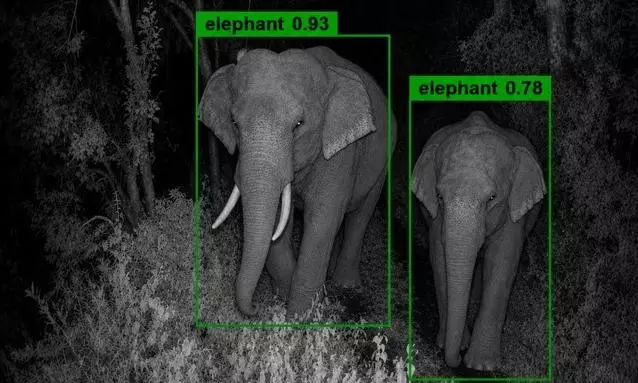
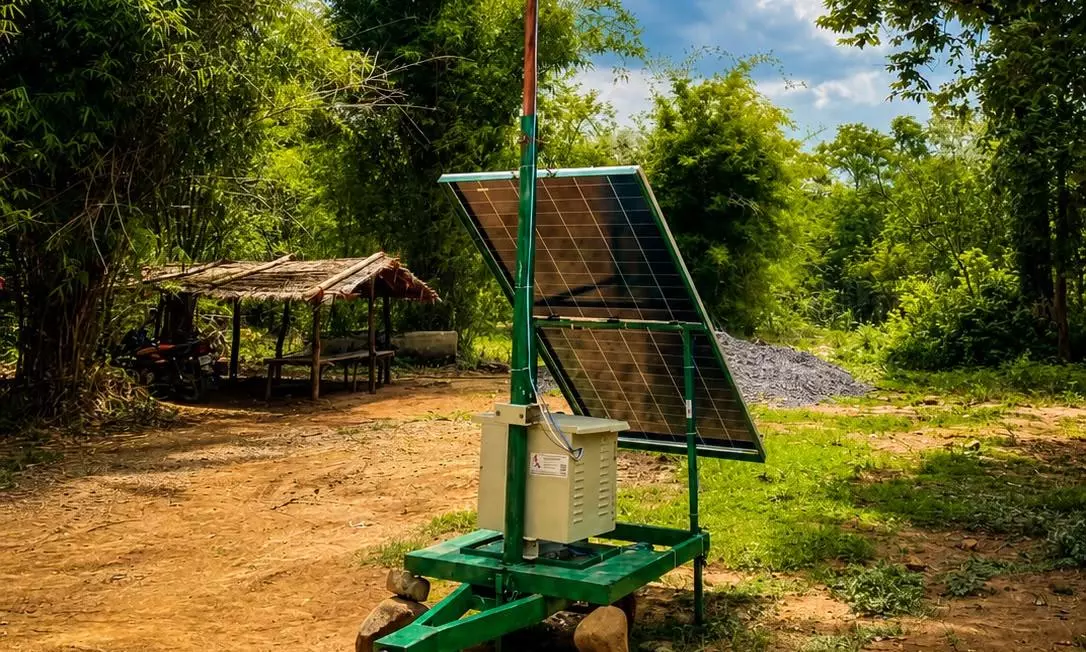
Raipur: The state forest department has launched a pilot project deploying an Artificial Intelligence (AI)-based smart surveillance system in the Udanti-Sitanadi Tiger Reserve (USTR) in Chhattisgarh as a significant technological initiative in wildlife conservation and forest protection.
Under the project, P2P (Point to Point) modules and trolley-mounted cameras installed on towers approximately 70-80 ft high will be used to conduct real-time monitoring of wildlife movements and illegal activities in remote and inaccessible forest areas of the reserve.
The trial of the pilot project was successfully done on Monday, a forest officer said.
The USTR is the first tiger reserve in the country where the AI-based smart surveillance system was deployed for conservation of the wildlife and protection of the forest, the deputy director of the USTR Varun Kumar Jain told this newspaper.
“The project is being initially implemented in strategically important ranges adjoining the Odisha border, namely Kulhadighat Range, Indagon Range, Risagaon Range, South Udanti Range, and Payalikhand North Udanti Range. These areas comprise dense forests and rugged plateaus and serve as critical movement corridors for elephants and other wildlife species. They are also considered vulnerable to narcotics trafficking, illegal wildlife trade, timber smuggling and encroachment”, Mr. Jain said.
The AI-enabled cameras will automatically identify key wildlife species such as Asian elephants, tigers, leopards, and sloth bears.
In addition, the system will detect human activities involving poachers, illegal intruders, timber smugglers, and encroachers.
The significant feature of the system is that the surveillance units are fully portable and can be deployed at any location as required.
Whenever a wild animal or a suspicious person is detected, the system will immediately send WhatsApp alerts to frontline forest staff and officers, enabling rapid response and intervention.
According to the forest officer, a key feature of the project is the provision of internet connectivity in remote forest areas through P2P (Point to Point) wireless communication technology based on a mesh network.
This will facilitate uninterrupted video streaming and real-time surveillance even in dense forests and hilly terrain where conventional internet services are unavailable.
Under the project, 4G/ 5G connectivity available in Mainpur will be extended to anti-poaching camps and forest outposts located 15-20 kms away.
“The new technology is expected to play a critical role in detecting and preventing such activities while significantly reducing response times”, Mr. Jain said.
