Chhattisgarh: Man Acquitted Of Charges Of Accepting Rs 100 Bribe After 4-Decade-Long Legal Battle
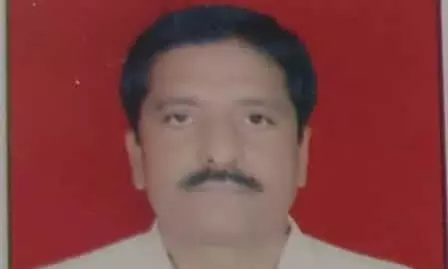
After a four-decade-long legal battle, an employee of Madhya Pradesh Road Transport Corporation (MPRTC) has been acquitted of charges of accepting a bribe of Rs 100.
Raipur: After a four-decade-long legal battle, an employee of Madhya Pradesh Road Transport Corporation (MPRTC) has been acquitted of charges of accepting a bribe of Rs 100. The Chhattisgarh High Court on September 9 acquitted 60-year-old Jageshwar Prasad Awadhiya of the charges of demanding and accepting the bribe.
In doing so, the High Court set aside the verdict of the trial court which had convicted him in the case in 2004 and sentenced him to one-year-rigorous imprisonment.
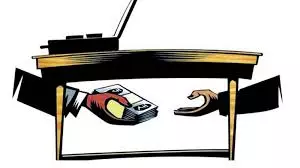
Awadhiya was charged with ‘demanding and accepting’ illegal gratification of `100 from one Ashok Kumar Verma to clear his pending bills when the former was working as a bill assistant in the divisional workshop of MPRTC at Raipur in 1986.
A Lokayukta team had laid a trap for Awadhiya on October 25, 1986. following a complaint by Verma. The trap team had allegedly recovered two currency notes of `50 denomination each from Awadhiya. The notes had been treated with phenolphthalein powder, and a handwash test of the accused turned pink, a positive result.
The trial of the case was conducted in the court of the Special Judge and First Additional Sessions Judge, Raipur, which convicted Awadhya under the Prevention of Corruption Act, 1988. Awadhiya later challenged the verdict of the trial court in the Chhattisgarh High Court; the state was carved out of Madhya Pradesh in the year 2000.
The High Court single judge bench of Justice Bibhu Dutt Guru while pronouncing the verdict highlighted key inconsistencies and contradictions in the prosecution’s case. The witnesses in the case differed on their versions of acceptance of currency notes.
While one witness stated that two currency notes of Rs 50 each were given, another witness claimed a single Rs 100 note was used. The High Court held that the charges were not proved beyond reasonable doubt.
