Centre Restores Commercial LPG for Industries

Boosts Gas for Urea Plants Amid US-Iran Ceasefire
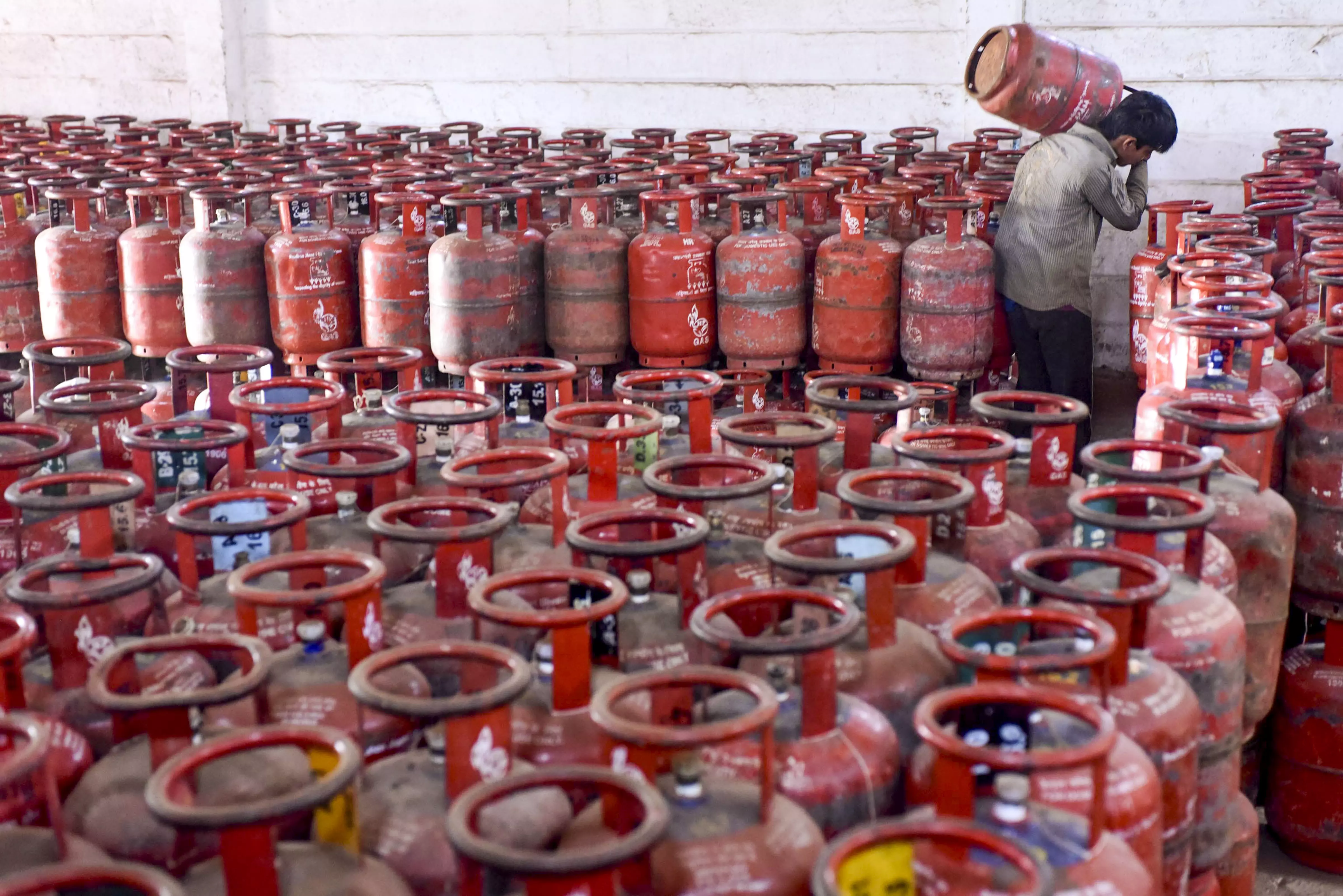
New Delhi: Soon after Iran and the US agreed to a conditional two-week ceasefire, the Centre on Wednesday restored commercial LPG supply to a wider set of industrial sectors, subject to a defined sectoral cap, asking the states to operationalise the decision. Besides, the government also increased the allocation of natural gas to urea plants as supply improved after disruptions due to the Middle East crisis.
The move of the government comes after observing the fact that supply constraints due to the shortage of liquefied natural gas linked to the Iran war forced some urea manufacturers to shut their plants ahead of the monsoon planting season. The government has also reaffirmed that domestic LPG supply remains normal across the country.
In a communication to states, the Ministry of Petroleum and Natural Gas also directed the states that industries including polymer, agriculture, packaging, paints, steel, metal and glass will be eligible to receive up to 70 per cent of their pre-March 2026 bulk non-domestic LPG consumption. “The allocation, however, will be capped at an overall sectoral limit of 0.2 TMT per day,” the ministry said.
The Centre also indicated that priority in allocation should be given to industrial units where LPG is required, and it cannot be substituted by natural gas. The directive further expanded the eligibility to some key sectors such as pharma, food, polymer, agriculture, packaging, paint, uranium, heavy water, steel, seed, metal, ceramic, foundry, forging, glass and aerosol etc. “These units will also be entitled to receive up to 70 per cent of their pre-March consumption levels, within the same overall cap,” the ministry said.
As the energy supplies were disrupted from Gulf countries due to the war, India initially cut cooking gas LPG supplies to commercial establishments like hotels and restaurants, but later restored 70 per cent of the pre-crisis supplies as alternative sources were tapped to replace the volumes lost in Strait of Hormuz.
Natural gas was initially cut for industries, including fertiliser plants, to meet full demand of CNG for transport and piped cooking gas in households. Supplies to fertiliser units, which are critical for food security, were partially restored, with operating urea units receiving about 75-80 per cent of their recent average consumption, while overall allocation to the sector was raised to around 90 per cent from early April.
“Keeping the domestic requirements in mind, natural gas supplies to fertiliser plants have been raised to about 95 per cent of their requirement after oil companies procured liquefied natural gas from spot market as part of a broader set of measures to manage fuel availability amid disruptions linked to the Strait of Hormuz situation,” said Sujata Sharma, joint secretary at the ministry of petroleum and natural gas also in a press briefing.
Welcoming the government’s decision, industry said that this provides much-needed assurance to sectors such as pharmaceuticals, steel, food processing, agriculture among others where LPG remains a critical production input and viable substitutes are often limited. “By encouraging greater adoption of PNG while safeguarding genuine industrial LPG requirements, the policy strikes a balanced approach that supports business continuity and strengthens the resilience of India’s manufacturing ecosystem,” said CII director general Chandrajit Banerjee.
