Government of India brings petroleum, petroleum products, and natural gas under the Essential Commodities Act, 1955, to ensure availability, regulate supply, and maintain equitable distribution.
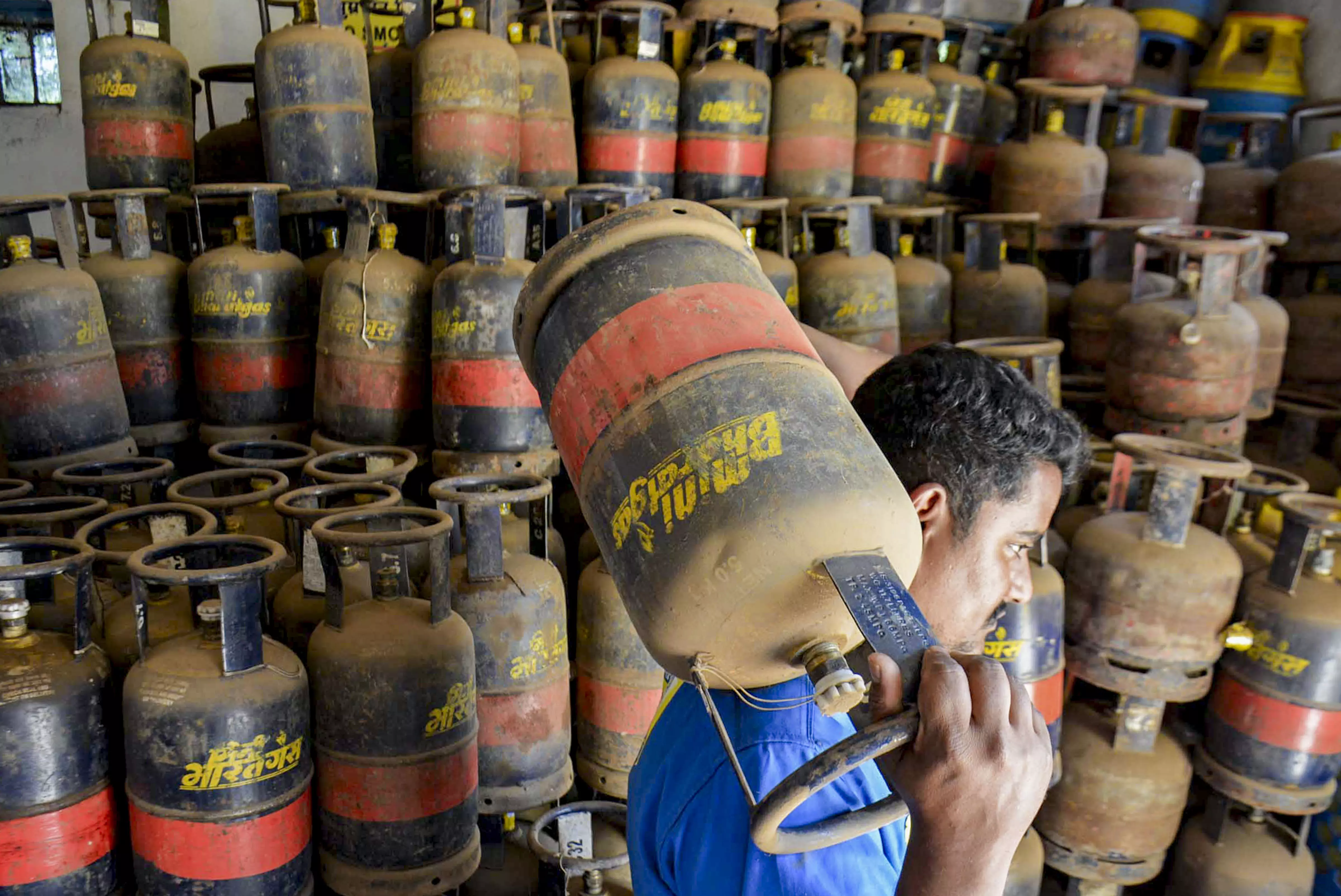
New Delhi: The Central government on Tuesday invoked the Essential Commodities Act (ECA) to regulate the supply and distribution of natural gas, including liquefied natural gas (LNG) and re-gasified LNG, following disruptions in global energy supplies linked to the ongoing conflict between the US-Israel and Iran in West Asia.
India is the fourth largest liquefied natural gas (LNG) buyer, and second-largest buyer of liquefied petroleum gas (LPG), whose supplies got affected after suppliers invoked force majeure clauses in the wake of Iran blocking LNG shipments through the Strait of Hormuz. The disruption has also pushed up global energy prices, leading to a `60 price hike for a 14.2 kg cooking gas cylinder.
Under the revised allocation, natural gas supplies will be diverted from non-priority sectors to domestic cooking gas, city gas distribution networks and the transport sector for fuels such as CNG.
“We are committed to ensure uninterrupted supply of affordable energy to our domestic consumers,” petroleum minister Hardeep Singh Puri said in a social media post, adding there was “no reason to panic”.
According to data from the Union ministry of petroleum and natural gas, domestic natural gas and imported LNG accounted for an equal share in India’s overall gas consumption of 188 million cubic metres per day in 2025. India has around 332 million active LPG consumers.
Amid reports of a shortage of commercial LPG cylinders in major cities, gas allocation to sectors such as petrochemicals has been curtailed to ensure that requirements for LPG production, CNG for automobiles and piped cooking gas for households are met.
Sources said the conflict has disrupted nearly 80 per cent of India’s 21-million-tonne LPG imports. Refineries have been directed to increase domestic LPG production by diverting petrochemical streams and using natural gas to boost cooking fuel supplies.
Under the revised allocation, the fertiliser sector has been listed at the second place, which will get at least 70 per cent of the past six months’ demand. Tea industries, manufacturing and other industrial consumers — placed at third slot — will get 80 per cent of their past six-month average gas consumption.
All city gas distribution (CGD) entities supplying gas to industrial and commercial consumers have been placed at number four on the priority list. They must ensure their customers receive 80 per cent of their past six months' average gas consumption subject to operational availability.

