Five-year plan will train 32 lakh representatives across 2.55 lakh panchayats.
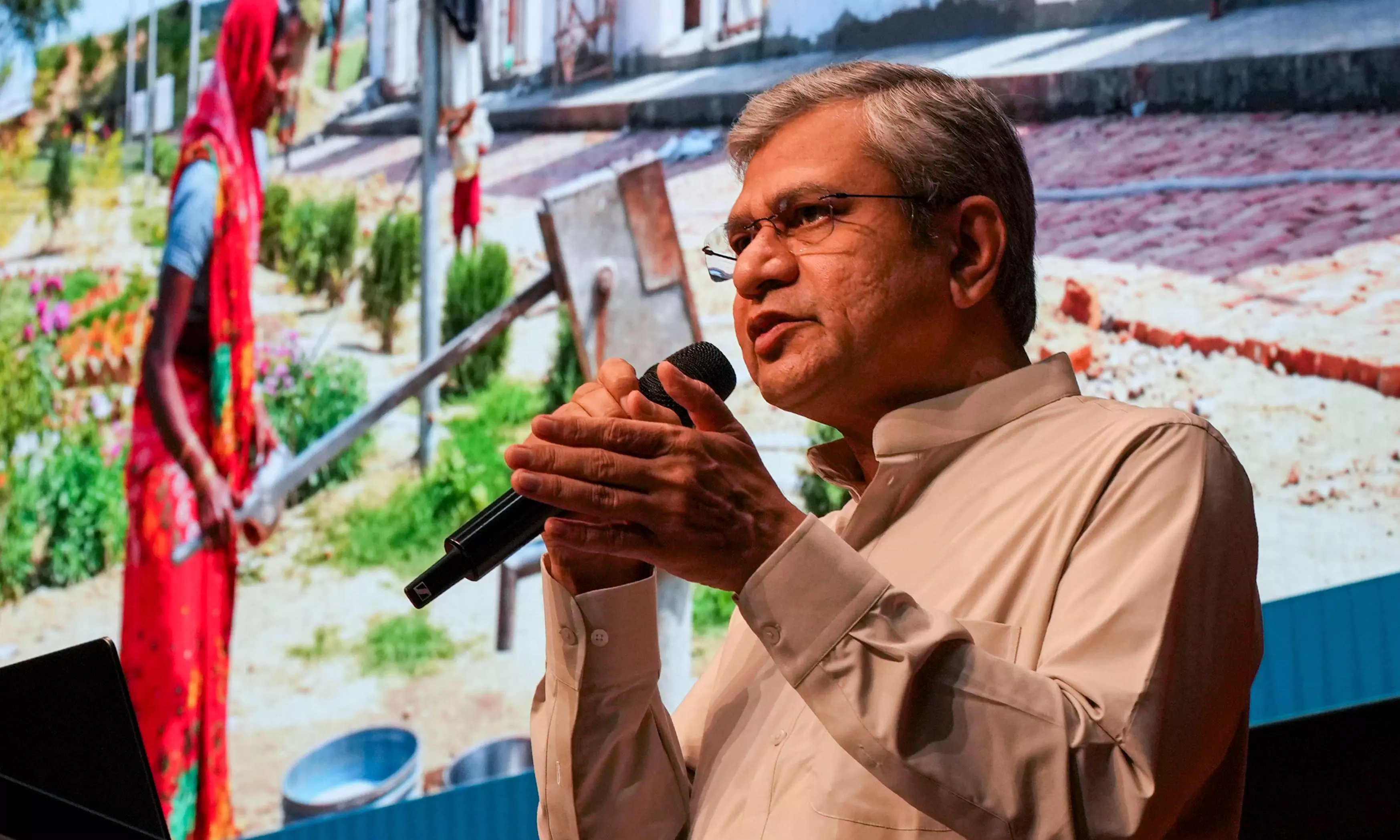
New Delhi: The Union Cabinet on Wednesday approved 7,395.55 crore for the Pradhan Mantri Viksit Gram Swaraj Yojana to strengthen panchayats through capacity-building, improved financial management and development planning.
Union minister Ashwini Vaishnaw described the initiative as a paradigm shift from schemes prescribing specific interventions to one that enables local bodies to identify their own resources, constraints and development priorities.
"This is a paradigm change," Vaishnaw said, explaining that the scheme would strengthen local institutions to plan development based on their specific needs.
The scheme will be implemented from 2026-27 to 2030-31, coinciding with the Sixteenth Finance Commission period. The Centre will contribute 4,869.48 crore, while states will provide 2,526.07 crore.
According to the Panchayati Raj Ministry, approximately 32 lakh elected representatives, along with panchayat functionaries and other stakeholders across more than 2.55 lakh panchayats and traditional local bodies, will benefit directly.
The scheme will provide annual training to elected representatives to improve governance, planning, resource management and communication with citizens.
It also aims to reach at least one crore citizens through each awareness exercise using gram sabhas, digital platforms and other panchayat forums.
The initiative will support the preparation of 2.55 lakh Gram Panchayat Development Plans annually through the eGramSwaraj portal, integrating local priorities with government programmes and available resources.
To improve accountability, it will facilitate the preparation of at least 2.55 lakh online audit plans annually through AuditOnline, along with timely completion of audits and improved financial disclosure.
The scheme also seeks to make panchayats more financially self-reliant through better utilisation of Finance Commission grants and mobilisation of their own revenue.
State governments and Union Territory administrations will implement the scheme through annual action plans approved by a Central Empowered Committee.
No permanent posts will be created, although contractual personnel may be engaged at state, district and block levels for technical support.