The Cabinet also cleared a ₹2,814-crore scheme to promote domestic processing of critical minerals: Reports
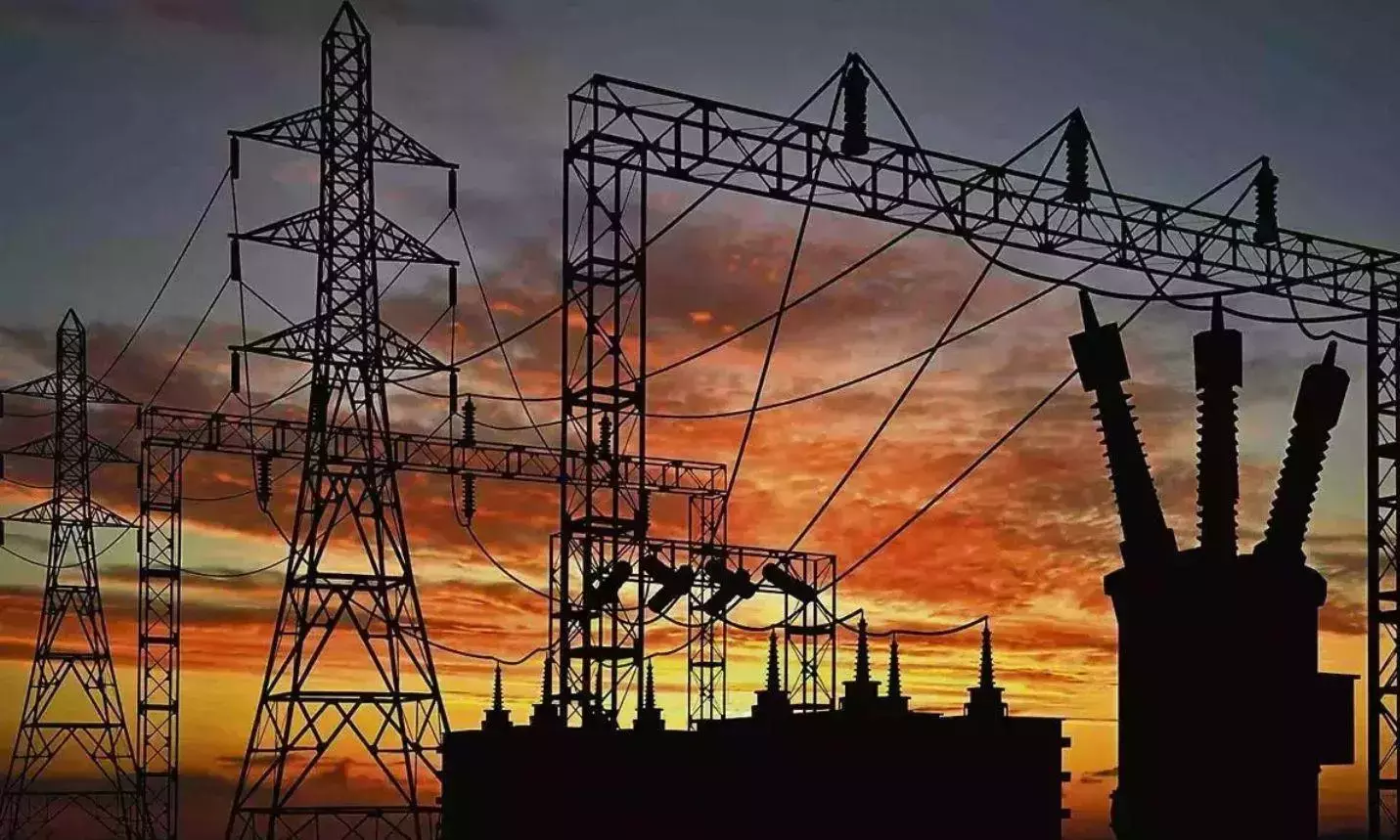
NEW DELHI: The Union Cabinet on Wednesday approved a ₹14,500-crore viability gap funding (VGF) scheme to develop 92 gigawatt-hours (GWh) of grid-scale energy storage capacity to support renewable energy integration and strengthen the country's power infrastructure.
The Cabinet also cleared a ₹2,814-crore scheme to promote domestic processing of critical minerals, including lithium and nickel, and a ₹4,371.1-crore initiative to modernise the country's official statistical system.
Briefing reporters after the Cabinet meeting chaired by Prime Minister Narendra Modi, information and broadcasting minister Ashwini Vaishnaw said the energy storage scheme would support the creation of capacity equivalent to 170 per cent of the country's existing grid-scale energy storage capacity.
The government estimates that India will require 411 GWh of grid-scale energy storage capacity by 2031-32.
The scheme envisages the development of 60 GWh of pumped hydro storage, 30 GWh of battery energy storage systems and 2 GWh through emerging storage technologies, with an estimated total investment of ₹97,600 crore.
According to an official statement, storage capacity will be allocated through tariff-based competitive bidding.
Public and private electricity distribution companies will be eligible for VGF support for battery storage and pumped hydro projects, while alternative storage projects may be implemented by public and private entities.
The scheme is intended to facilitate large-scale renewable energy integration, improve round-the-clock power availability, encourage domestic battery storage manufacturing and reduce dependence on imported components.
In another decision, the Cabinet approved a ₹2,814-crore capital expenditure support scheme for processing critical minerals over five years, until 2030-31.
The scheme provides a capital subsidy of 30 per cent of eligible investment for establishing four processing plants — two each for lithium and nickel.
Capital assistance will be capped at ₹500 crore per lithium project and ₹900 crore per nickel project.
Vaishnaw said the initiative was aimed at developing domestic processing capabilities, adding value to locally available resources and reducing import dependence.
The government noted that global critical mineral processing capacity remained concentrated in a few locations, exposing supply chains to geopolitical tensions, price volatility and export restrictions.
The Cabinet also approved the Viksit Bharat Initiative for Statistical Transformation, Analytics and Research (VISTAR), with an outlay of ₹4,371.1 crore for five years until 2030-31.
The central sector scheme aims to modernise India's official statistical system through improved data collection, digital transformation, research and the development of interoperable, AI-ready datasets.
VISTAR will have three components: Comprehensive Statistical Operations and Strengthening of Ecosystem, Support for Statistical Strengthening, and Economic Census.
Under the scheme, the ministry of statistics and programme implementation will conduct the eighth Economic Census in collaboration with states and Union territories.
The Census will help generate data for policymakers and improve estimates of the unorganised sector's contribution to the country's gross domestic product.