How AI and Technology Are Reshaping Wealth Management in India

Artificial intelligence, algorithmic trading, blockchain, and automated advisory platforms are not only changing how investments are managed but also redefining who can access professional-grade wealth management
Do you sometimes wonder why the market suddenly spikes mid-morning or why a stock falls sharply with no major news? Have you faced losses because emotions got the better of you during a trade? Or perhaps you have heard of artificial intelligence and algorithmic trading but never quite understood how they work. These are no longer niche terms reserved for global financial hubs. They are now shaping how money is invested, traded, and managed in India.
Wealth management in India is undergoing a major transformation. What was once a slow, paperwork-heavy, relationship-driven business is evolving into a fast-paced, technology-led ecosystem. Artificial intelligence, algorithmic trading, blockchain, and automated advisory platforms are now playing central roles in the financial industry. They are not only changing how investments are managed but also redefining who can access professional-grade wealth management.
According to a senior BSE official, as much as 60 per cent of trading in India is now done through algorithmic or high-frequency trading. These computer-driven systems, once limited to institutional investors, are increasingly being adopted by retail traders to add discipline and consistency to their strategies.
An algorithm is essentially a set of predefined rules. When linked to real-time market data, these rules can be executed by computers in milliseconds. For instance, if a trader typically buys a stock when it breaks its previous day's high, that strategy can be coded into an algorithm. Once the condition is met, the system executes the trade automatically, removing hesitation and emotion. This is known as white-box algorithmic trading, where the logic is transparent and approved by the exchanges.
By contrast, black-box algorithms keep their internal logic hidden. Often used by hedge funds or proprietary trading firms, these systems can place hundreds of trades in a fraction of a second. They may offer a competitive advantage, but they also come with higher risks. SEBI has stepped in with strict rules to ensure safety and transparency.
To regulate this fast-growing space, SEBI now requires all algorithms to be approved by the exchanges before deployment. Each is assigned a unique identification number for tracking. Brokers must host these strategies within their infrastructure, reducing risks linked to open APIs and unverified third-party tools. Safeguards such as kill switches, order rate limits, and detailed audit trails are mandatory.
The influence of technology in wealth management goes far beyond trading. Artificial intelligence is now central to financial planning, portfolio construction, and client servicing. AI systems analyse income patterns, spending habits, and investment goals to recommend tailored strategies. They continuously monitor portfolios and rebalance them when market conditions change or allocations deviate from targets.
Wealth managers are also using behavioural analytics to spot patterns such as overtrading, panic selling, or chasing past performance. This allows them to guide clients toward more rational, long-term decisions. Increasingly, the role of the advisor is shifting from transaction executor to financial coach.
For younger investors, robo-advisory platforms are proving attractive. These low-cost, AI-powered services offer personalised investment plans at a fraction of the cost of traditional wealth managers. This has made wealth management more inclusive, giving even small-ticket investors access to professional-grade advice.
The next wave of disruption is likely to come from blockchain technology. Tokenisation could allow fractional ownership of high-value assets such as commercial real estate or private equity, lowering entry barriers and improving liquidity. Blockchain can also streamline compliance, Know Your Customer processes, and auditability.
Yet, the shift to a digital-first environment also brings new challenges. Cybersecurity has emerged as a top priority. SEBI mandates multi-factor authentication, whitelisted IP addresses, and strict controls on API usage to prevent hacking or misuse. Wealth management firms must also clearly disclose all charges, risks, and third-party integrations to clients.
Looking ahead, technology will not replace human advisors but enhance them. The most successful models will combine human experience and empathy with the speed and analytical power of AI. The human element of trust, judgment, and personal understanding remains irreplaceable.
India's wealth management ecosystem is entering a golden age of innovation. With balanced regulation, better investor education, and greater adoption, technology can create a more transparent, efficient, and inclusive financial future. The next time you see a sudden bulk trade or a sharp price move, there is a good chance an algorithm is behind it. And in this new era, technology is not just a tool; it is becoming every investor's most valuable partner.
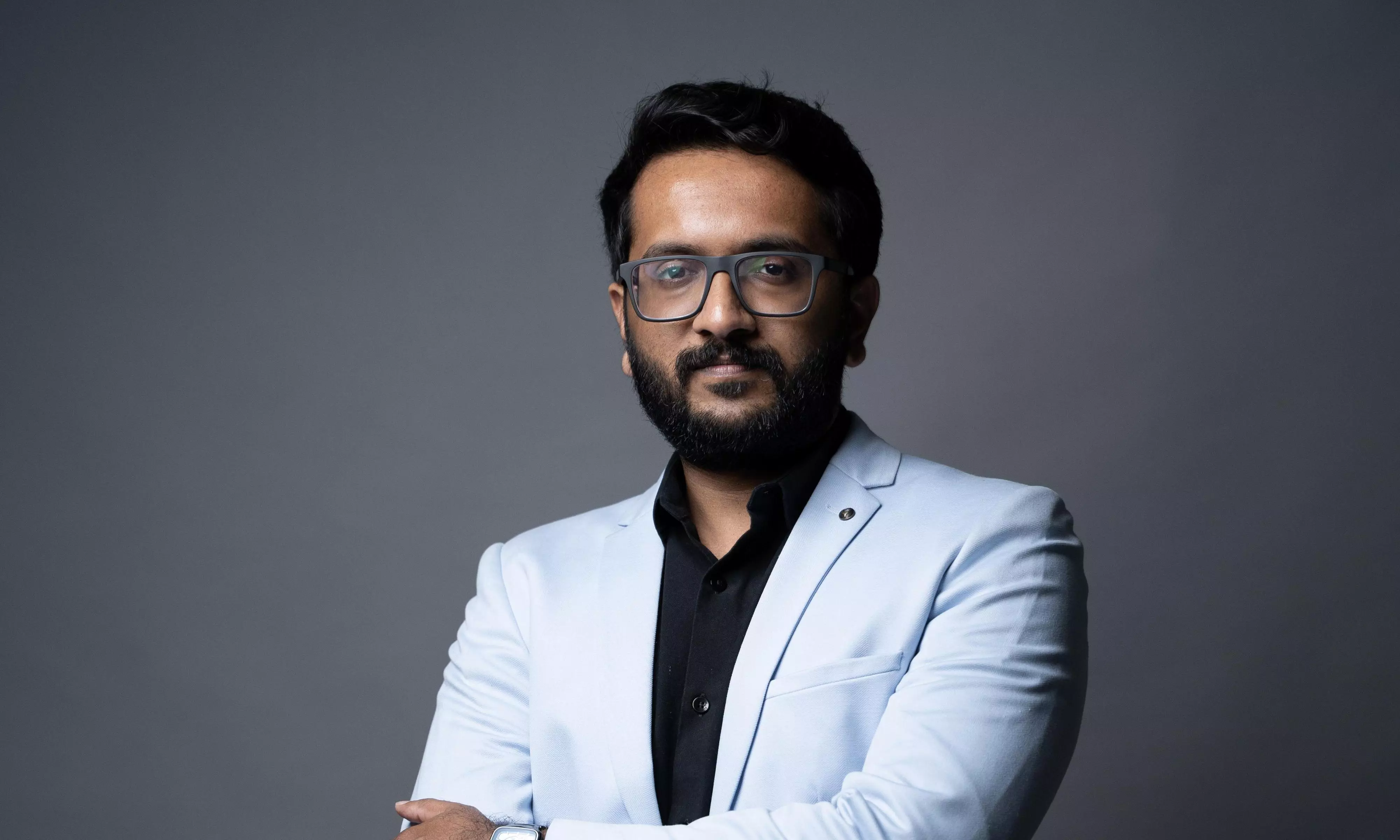
Hariprasad K is a SEBI registered Research Analyst and Founder of Livelong Wealth.
