Bhubaneswar Faces 65.5 MLD Water Deficit; Odisha Orders Fast-Track Projects
The review meeting, chaired by principal secretary, housing and urban development department, Usha Padhee at Kharavela Bhawan, was attended by senior officials of the Water Corporation of Odisha (WATCO) and the department.
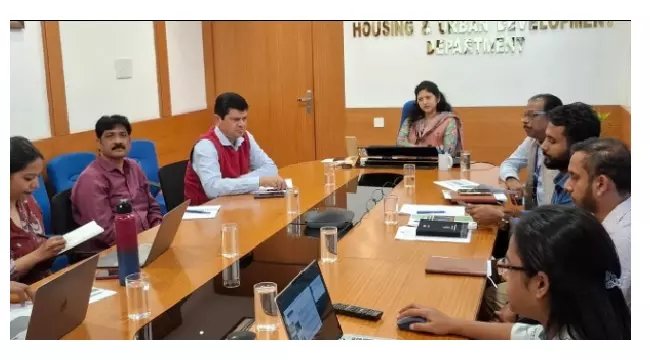
Bhubaneswar: Alarmed by a widening gap between demand and supply, the Odisha government on Wednesday reviewed the Water Security Plan (WSP) for Bhubaneswar and its adjoining areas, directing officials to expedite all ongoing and proposed water supply projects to safeguard the city’s future needs.
The review meeting, chaired by principal secretary, housing and urban development department, Usha Padhee at Kharavela Bhawan, was attended by senior officials of the Water Corporation of Odisha (WATCO) and the department.
Emphasising the capital city’s rapid population growth and urban expansion, Ms Padhee cautioned that delays in project execution could seriously undermine long-term water security. She instructed WATCO to accord top priority to infrastructure augmentation and adhere strictly to stipulated timelines.
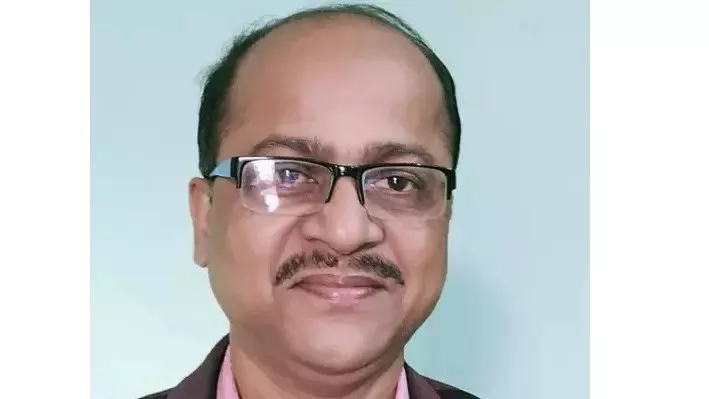
WATCO managing director Debabrata Mohanty outlined the existing demand–supply deficit, infrastructure enhancement proposals and operational challenges. He said key issues would be escalated to higher authorities for early resolution. The initiatives, officials said, are aligned with the state’s development roadmap under Viksit Odisha 2036 and the national vision of Viksit Bharat 2047.
As part of long-term planning, WATCO will submit a proposal to draw 1,000 million litres per day (MLD) of raw water from the Mahanadi at Mundali in two phases, aimed at meeting Bhubaneswar’s water requirements for the next five decades. Additionally, a new 400 MLD water treatment plant has been proposed to cater to projected urban growth.
The principal secretary also directed WATCO to conduct a comprehensive survey of urban local bodies across Odisha, particularly in areas prone to acute summer water stress. The assessment will focus on source sustainability, treatment and storage capacity, distribution efficiency and peak seasonal demand, enabling the government to prioritise targeted interventions.
Bhubaneswar currently faces a demand–supply gap of 65.5 MLD, which is being bridged through groundwater extraction. The city’s population is estimated to have reached 13.03 lakh in 2025, placing increasing pressure on existing water infrastructure.
