Battle for Bihar: Key Seats to Watch Ahead of Counting

13 Nov 2025 6:35 PM IST13 Nov 2025 6:35 PM IST
From Patna Sahib to Siwan, close contests and voter swings could decide Bihar’s political future as results near
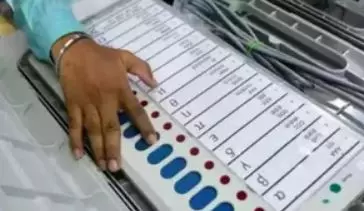
As counting day approaches, eight key Bihar constituencies — from urban Patna to rural Siwan — are emerging as decisive battlegrounds that could shape the state’s next government.
Patna: With both phases of the Bihar Assembly elections now concluded and a record turnout registered across the state, several constituencies have emerged as critical to determining which alliance will form the next government. As counting approaches on November 14, political analysts have identified a set of high-stakes seats where close contests, shifting voter behaviour, and local dynamics may decisively tilt the mandate.
Patna Sahib (Urban Pulse Seat)
Patna Sahib has become one of the most closely watched constituencies due to strong anti-incumbency in urban pockets and rising public demands around employment, solid waste management, and public transport. The unusually high turnout in some urban polling booths hints at a possible shift in voter mood, making this a crucial indicator of urban sentiment in Bihar.
Gaya Town (Dalit Leadership Test)
Historically significant for Dalit political representation, Gaya Town is witnessing a tense triangular contest. Development gaps, delays in civic upgrades, and concerns over law and order have pushed local issues to the forefront. A swing either way here could signal broader patterns across Magadh.
Begusarai (Ideological Clash Ground)
Begusarai remains the ideological battleground of Bihar, with the Left, NDA, and Mahagathbandhan fighting for dominance. Youth turnout has risen sharply in the second phase, and combined with longstanding industrial decline and unemployment, the constituency is expected to produce a tight finish.
Purnea (Minority–EBC Consolidation Zone)
Purnea is drawing national attention because of its fluid voter alliances. The constituency has a complex mix of Muslim, Yadav, Kurmi, and EBC populations. Analysts believe even a 2–3% swing could change the final outcome. Reports of exceptionally high women voter turnout here have added uncertainty.
Madhubani (Caste Arithmetic Battleground)
Madhubani continues to stand out due to its delicate caste balance and history of unpredictable swings. Flood-affected areas reported strong polling, driven by frustration over relief delays. Whether this anger translates into votes for the opposition remains a key question.
Arrah (Upper Caste vs OBC Contest)
Arrah is emerging as a referendum seat on governance and caste influence. Sand mining controversies, deteriorating healthcare facilities, and local-level corruption allegations have made the contest unusually volatile. A surprise result here is widely expected by election watchers.
Siwan (Strongman Legacy Under Test)
Siwan’s political identity has long been shaped by strongman politics. This election, however, appears to show a shift in voter preference toward law and order and basic civic issues. Any deviation from expected voting patterns in Siwan could indicate a broader rejection of personality-driven politics.
Darbhanga (Aspirational Voters in Spotlight)
Known as Bihar’s cultural and educational hub, Darbhanga saw vigorous polling among young first-time voters. Their dissatisfaction with unemployment and slow infrastructure development is likely to play a major role. Analysts are calling this seat a “trendsetter constituency” for Mithilanchal.
Why These Seats Matter
These constituencies collectively represent Bihar’s diversity—urban vs rural, caste-driven vs issue-driven, ideological vs developmental. A swing in even a few of them could dramatically alter the final seat tally for either front.
With political temperatures rising and alliances on edge, all eyes are now on these critical constituencies as Bihar awaits results. The outcome in these seats will not only shape the next government but also signal deeper shifts in how the state’s electorate is thinking, voting, and demanding accountability.
( Source : Deccan Chronicle )

Next Story