At 80, Odisha's Ex-CM Naveen Patnaik Faces Toughest Test Of Political Longevity
From 24 years in power to electoral setbacks, BJD supremo confronts questions over his relevance, leadership and future
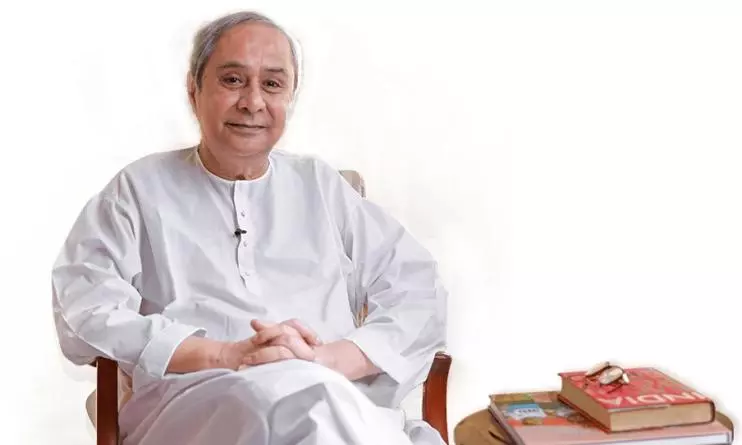
Bhubaneswar: Former Odisha chief minister and Biju Janata Dal (BJD) president Naveen Patnaik, who on Friday turned 80, remains one of the state's most recognisable political figures. But his birthday this year comes at a critical juncture, with his party struggling to recover from electoral defeats and questions mounting over its organisational strength, leadership succession and political relevance.
Birthday greetings from Chief Minister Mohan Charan Majhi and visits by BJP leaders to Naveen Niwas reflected the respect the veteran leader continues to command across party lines. Yet, political courtesies, as political analysts say, cannot conceal the challenges confronting a party that ruled Odisha uninterruptedly for 24 years.
Naveen entered active politics in 1997 following the death of his father, legendary leader Biju Patnaik. He headed the BJD that was formed by some prominent colleagues and followers of his father in December that year and led the party to power in 2000 in alliance with the BJP. His ability to win successive elections, maintain organisational control and cultivate an image of personal integrity helped him become one of India's longest-serving chief ministers.
That dominance ended in the 2024 Assembly elections, when the BJP won 78 of the 147 seats, reducing the BJD to 51. The regional party also failed to win a single Lok Sabha seat in Odisha. Naveen suffered a personal setback by losing Kantabanji, although he retained his traditional Hinjili constituency.
The defeat exposed the vulnerabilities of a political model centred heavily on one leader and raised questions about the party's grassroots networks and succession planning.
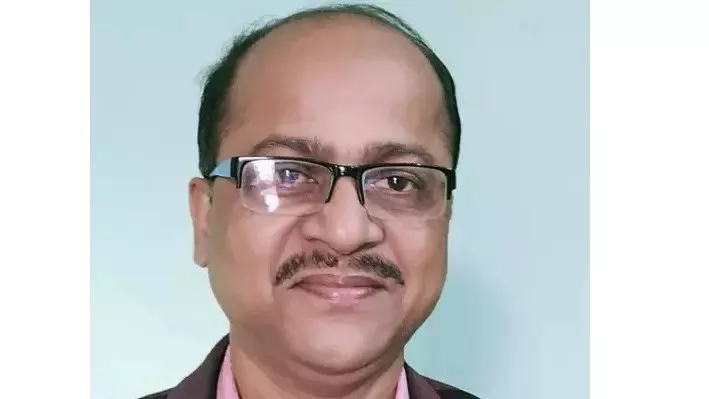
“As Leader of the Opposition since June 2024, Naveen has sought to challenge the BJP government and establish the BJD as a credible alternative. However, opposition politics requires sustained public engagement, grassroots mobilisation and effective legislative scrutiny—tasks different from those associated with governing the state,” says Srirama Dash, a political analyst.
Subsequent setbacks have compounded the challenge. The BJD's candidate finishing third in the Nuapada Assembly by-election raised fresh questions about its electoral recovery. The party's student wing, the Biju Chhatra Janata Dal, has also struggled to retain its earlier influence on campuses, while the BJP-backed Akhil Bharatiya Vidyarthi Parishad has made gains. The erosion of campus influence could weaken the BJD's future leadership pipeline.
Internal cohesion presents another concern. Dissent among some legislators during the Rajya Sabha election involving independent candidate Dilip Ray exposed difficulties in maintaining the party's traditionally centralised discipline.
The question of succession has consequently become more pressing. The BJD needs younger leaders who can connect with voters, mobilise workers and articulate a vision beyond Naveen's political legacy. His personal popularity remains an asset, but it cannot indefinitely substitute for organisational renewal.
On Friday, senior BJD leaders Debi Prasad Mishra and Pratap Jena appealed to the people to give Naveen another opportunity to serve, accusing the BJP government of failing to fulfill its promises. However, criticism of the ruling party alone may not be enough. The BJD must demonstrate that it has learnt from its defeat and offer credible alternatives to voters.
“The BJP, too, faces the challenge of translating its electoral mandate into visible governance outcomes. Any public dissatisfaction could create an opening for the opposition, provided the BJD rebuilds its organisation and responds effectively to people's concerns,” says Dr. Gouranga Charan Rout, a political analyst.
At 80, Naveen's political legacy is firmly established, but his future is less certain. Having lost power after nearly a quarter of a century, he must now convince voters that the BJD can reinvent itself and remain relevant to a changing electorate. His toughest test is no longer merely to lead the opposition, but to turn the loyalty associated with his name into renewed public confidence in his party, adds Dr Rout.
