Army Launches Winter Ops In J&K To Flush Out Terrorists

27 Dec 2025 11:37 PM IST27 Dec 2025 11:37 PM IST
Indian Army has launched intensified winter operations in Kishtwar and Doda districts of Jammu and Kashmir to flush out Pakistani terrorists hiding in the region
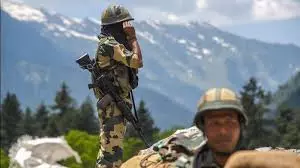
Indian Army intensifies winter counter-terror ops in Kishtwar, Doda (Image:DC)
New Delhi: The Indian Army has launched intensified winter operations in Kishtwar and Doda districts of Jammu and Kashmir to flush out Pakistani terrorists hiding in the region
According to assessments by multiple intelligence agencies, around 30 to 35 Pakistani terrorists are currently active in the Jammu region. Defence sources said that sustained counter-terrorism operations over the past few months have forced these groups to retreat into higher and middle mountain ranges that are largely uninhabited. The terrorists are believed to be seeking temporary winter hideouts to evade detection and avoid direct confrontation with security forces
Security forces have launched simultaneous operations across valleys, mid-altitude areas and high ridges to maintain overlapping control and deny terrorists any movement corridors. Each operation is followed by prolonged surveillance to ensure that cleared areas remain under constant watch. This “surveillance-sweep-surveillance” cycle forms the core of the Army’s winter doctrine, combining aggressive ground action with sustained technological monitoring, defence sources said.
Security forces have launched simultaneous operations across valleys, mid-altitude areas and high ridges to maintain overlapping control and deny terrorists any movement corridors. Each operation is followed by prolonged surveillance to ensure that cleared areas remain under constant watch. This “surveillance-sweep-
Traditionally, the onset of Chillai Kalan, the harshest phase of winter in Kashmir from December 21 to January 31, has led to a temporary lull in terrorist activity due to heavy snowfall and closed communication routes. However, this winter has seen a significant shift in operational strategy, with the Army adopting a proactive posture by establishing temporary bases and surveillance posts deep inside snowbound areas to maintain uninterrupted pressure on terrorist hideouts
Army patrols are operating in sub-zero temperatures and low-visibility conditions, regularly traversing high-altitude ridgelines, valleys and forested areas to deny terrorists any safe haven. Defence sources said this shift highlights the Army’s adaptability and determination to sustain operational momentum irrespective of terrain or season
The Army is leading a coordinated effort involving the civil administration, Jammu and Kashmir Police, Central Reserve Police Force, Special Operations Group, Forest Guards and Village Defence Guards. This inter-agency cooperation has ensured better intelligence sharing, resource optimisation and sharper operational execution.
Army patrols are operating in sub-zero temperatures and low-visibility conditions, regularly traversing high-altitude ridgelines, valleys and forested areas to deny terrorists any safe haven. Defence sources said this shift highlights the Army’s adaptability and determination to sustain operational momentum irrespective of terrain or season
The Army is leading a coordinated effort involving the civil administration, Jammu and Kashmir Police, Central Reserve Police Force, Special Operations Group, Forest Guards and Village Defence Guards. This inter-agency cooperation has ensured better intelligence sharing, resource optimisation and sharper operational execution.
Intelligence reports indicate that the remaining terrorist elements are attempting to coerce local villagers for shelter and food. However, local support has declined sharply, forcing the terrorists into deeper isolation and limiting their ability to regroup or plan attacks.
Specially trained winter warfare sub-units have been deployed across key sectors. Equipped for high-altitude survival, snow navigation and combat, these units are supported by advanced surveillance tools, including drones, ground sensors and radars, enabling continuous monitoring and rapid response even in extreme conditions.
( Source : Deccan Chronicle )

Next Story