World Soil Day: The Unsung Hero Beneath Our Feet

5 Dec 2025 9:44 PM IST5 Dec 2025 9:44 PM IST
The idea of a World Day of Soil was initiated in 2002 under the leadership of the International Union of Soil Sciences.
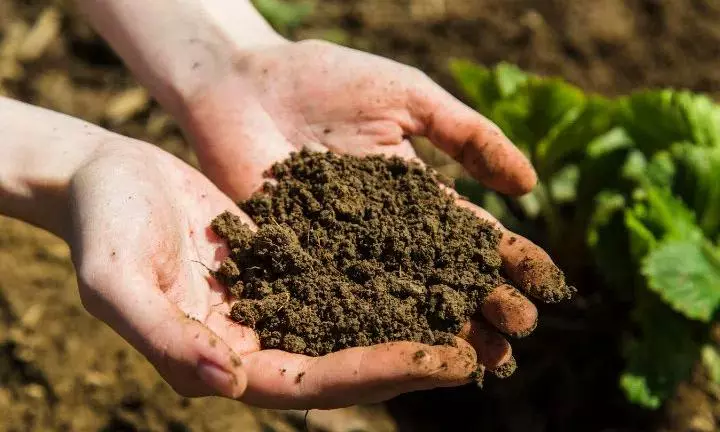
Representational Image/X
December 5th marks World Soil Day, an international observance encouraging us to look down at and appreciate the silent, tireless worker that sustains almost all life on Earth: the soil. It is so much more than just dirt; it is a dynamic, living ecosystem that forms the very foundation of our food security, water purification, and climate regulation.
The Ground Truth: Why Soil Matters.
More than 95% of our food comes from soil. It is a complex, fertile medium that provides physical support, water, and 15 of the 18 essential chemical elements that plants require to grow.
Yet the importance of soil goes far beyond agriculture itself:
Biodiversity Hotspot: One tablespoon of healthy soil contains more living organisms—bacteria, fungi, protozoa, and micro-invertebrates—than there are people on Earth. Soil is home to nearly 59% of all Earth's species.
Soils function as natural filters: they clean, store, and regulate the amount of water flowing into the aquifers, thereby recharging groundwater supplies. Healthy soils also help reduce the risks of floods and droughts.
Climate Champion: Soil is a huge carbon sink, meaning it stores atmospheric carbon in the form of organic matter. Sustainable soil management is an effective weapon in the fight against climate change.
Health and Nutrition: The nutrient content of our food is directly related to the health of the soil it's grown in. Degraded soils can result in crops that are also lacking vital micronutrients, leading to "hidden hunger" that affects billions around the world.
A Call to Action: The Crisis Beneath Us
Yet, this vital resource is also under constant threat. It can take as long as 1,000 years to produce just 2-3 cm of topsoil, yet human activities are causing degradation at an alarming rate. It is estimated that almost one-third of all global soils are damaged.
Key threats include:
Soil Erosion and Compaction: Caused by unsustainable farming, deforestation, and heavy machinery, the fertile top layer gets stripped away, and the ability of the soil to store water is reduced.
Pollution: industrial runoff, excessive use of agrochemicals, improper waste disposal, poisoning the soil and air, and, finally, our food.
Soil Sealing/Urbanisation: The rapid expansion of urban spaces covers every available fertile land with impermeable surfaces that prevent water from infiltrating into the ground, killing whatever soil is underneath.
The History of World Soil Day.
The idea of a World Day of Soil was initiated in 2002 under the leadership of the International Union of Soil Sciences. The Kingdom of Thailand, especially the late King Bhumibol Adulyadej, known for promoting soil conservation, welcomed this initiative. In 2013, the Food and Agriculture Organisation of the United Nations gave official endorsement to the day, while the UN General Assembly formally recognised December 5th as World Soil Day in 2014. The date was chosen to honour King Bhumibol Adulyadej on his birthday.
This day is a global mobilisation for sustainable soil management. From international conferences and policy debates to local tree-planting drives and school composting programs, WSD encourages everyone to become a Soil Champion. Simple actions like starting a home compost, learning about regenerative agriculture, or supporting local farmers who use soil-friendly practices can collectively make a massive difference.
The article has been authored by Siftpreet Kaur, an Intern at Deccan Chronicle
( Source : Deccan Chronicle )

Next Story