What Is Gender Pay Gap? Everything You Need to Know

It is the difference between the average income between men and women at a workplace. It is generally measured by comparing the average or median earnings of men and women in the workforce, either by hourly wages or annual salaries, making sure of similar roles .
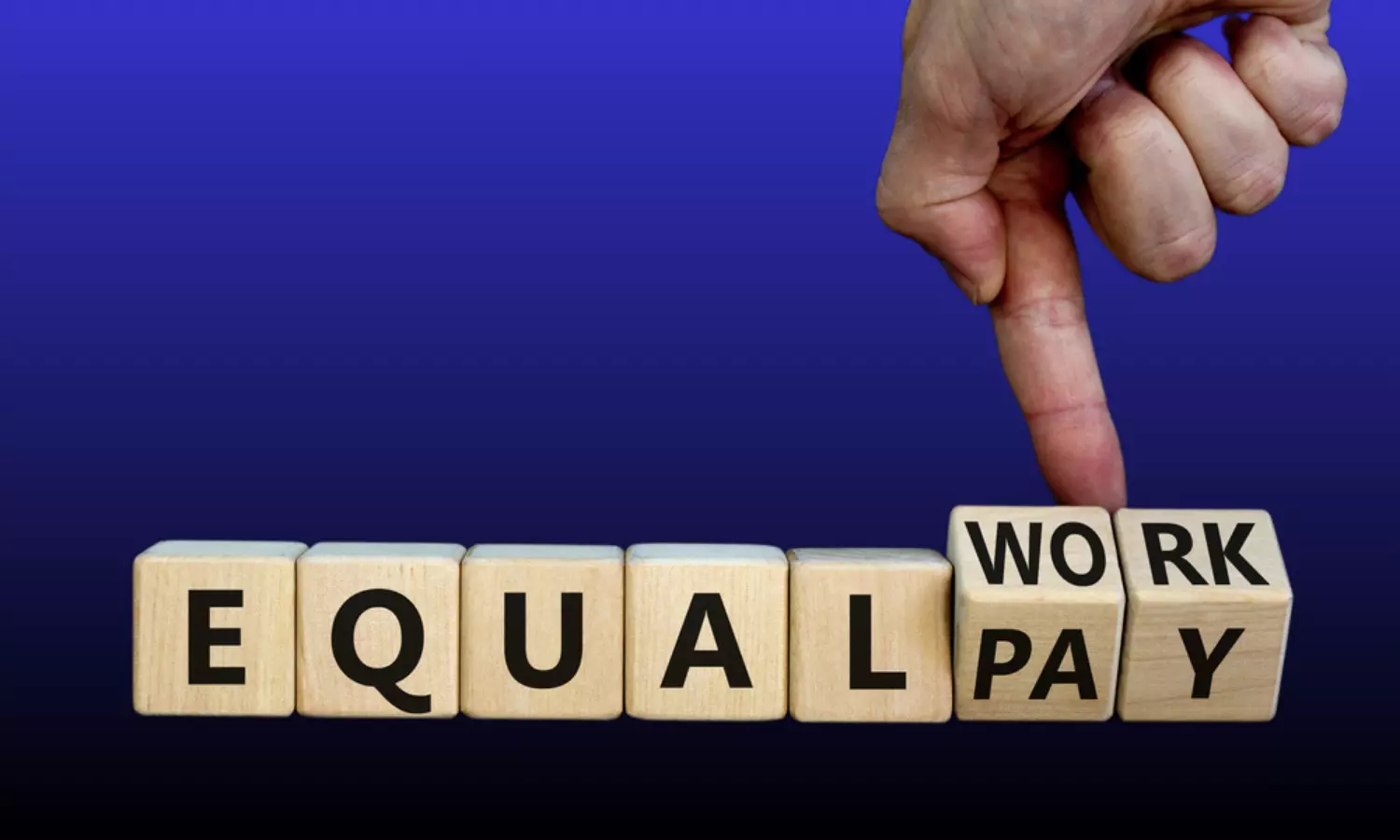
We have all heard that women get paid less than men for doing similar work. But is it true and if so how is it measured? And does it still exist?
Keep reading to know all about it.
Gender Pay Gap
It is the difference between the average income between men and women at a workplace. It is generally measured by comparing the average or median earnings of men and women in the workforce, either by hourly wages or annual salaries, making sure of similar roles.
Generally it is shown as a percentage of men's earnings to show how less women earn. This gap is calculated using hourly wages or annual salaries.
There are two types of gender pay gaps: unadjusted and adjusted
The unadjusted gap compares the overall earnings of men and women of all the jobs, while the adjusted gap takes the consideration of job type, education level, experience level, working hours and the industry to give a clear understanding of pay differences for similar work.
The gender pay gap is a worldwide issue with some countries having less gap and others more. In many countries, progress has been made by narrowing this gap but it remains an incessant issue.
But what are the reasons behind this pay gap:
• Occupational Segregation: Many men and women work in different industries, with female dominated industries paying less.
• Discrimination: The discrimination between men and women leads to women getting lower salaries compared to his male counterparts or else getting passed over for raises and promotions.
• Women more likely settle for low-paying jobs or do the part-time work which leads them getting overall lower salaries.
• Between men and women, women often take time from their careers to raise a child or take care of a family member which leads to their career interruptions or lower earnings.
• Negotiation: Women are less likely to negotiate their salaries and if they do they might face bias.
Size of the gap
This gap is generally measured in two ways either overall (i.e; by comparing all men or all women) or within similar roles.
However, the overall gap is generally larger because women often work in low paying or part-time jobs.
Whereas, the adjusted gap is comparatively smaller, but it still exists due to discrimination, barriers to career advancement, and other challenges.
The gender pay gap contributes to the overall broader economic inequality between men and women. If this persists, over time women might earn significantly less than men which in turn will impact women's financial independence and their retirement savings.
Its Impact
Gender pay gap can also lead to psychological effects, as women might feel frustrated, devalued and will have limited opportunities at their workplace.
Closing the pay gap is not only a matter of fairness, but also a key driver of economic growth. When the gap is reduced, women can contribute more effectively to the workforce, leading to increased productivity. Also closing the gap will encourage more investment in education and training for women, which can help develop a more skilled workforce overall, benefiting the entire economy.
Many countries and companies have introduced policies to reduce the gender pay gap by including, equal pay legislation, pay transparency, diversity and inclusion programs, and family leave and flexible work policies.
But why does this gender pay gap matter?
The gender pay gap is not just about fairness, but it shows a wider social and economic equality. If the pay gap between the two genders is closed it will benefit individuals, families, and the economies by making sure that every individual gets equal opportunities irrespective of their gender.
Closing the pay gap will not only affect women but it will contribute to a stronger economy and equitable society.
