What Most Indians Get Wrong on Their First Europe Trip

9 March 2026 6:03 PM IST9 March 2026 6:03 PM IST
For Indian travellers planning their first Europe trip, the central question is no longer “How much can I cover?”- It is “How much of it will I actually enjoy?”
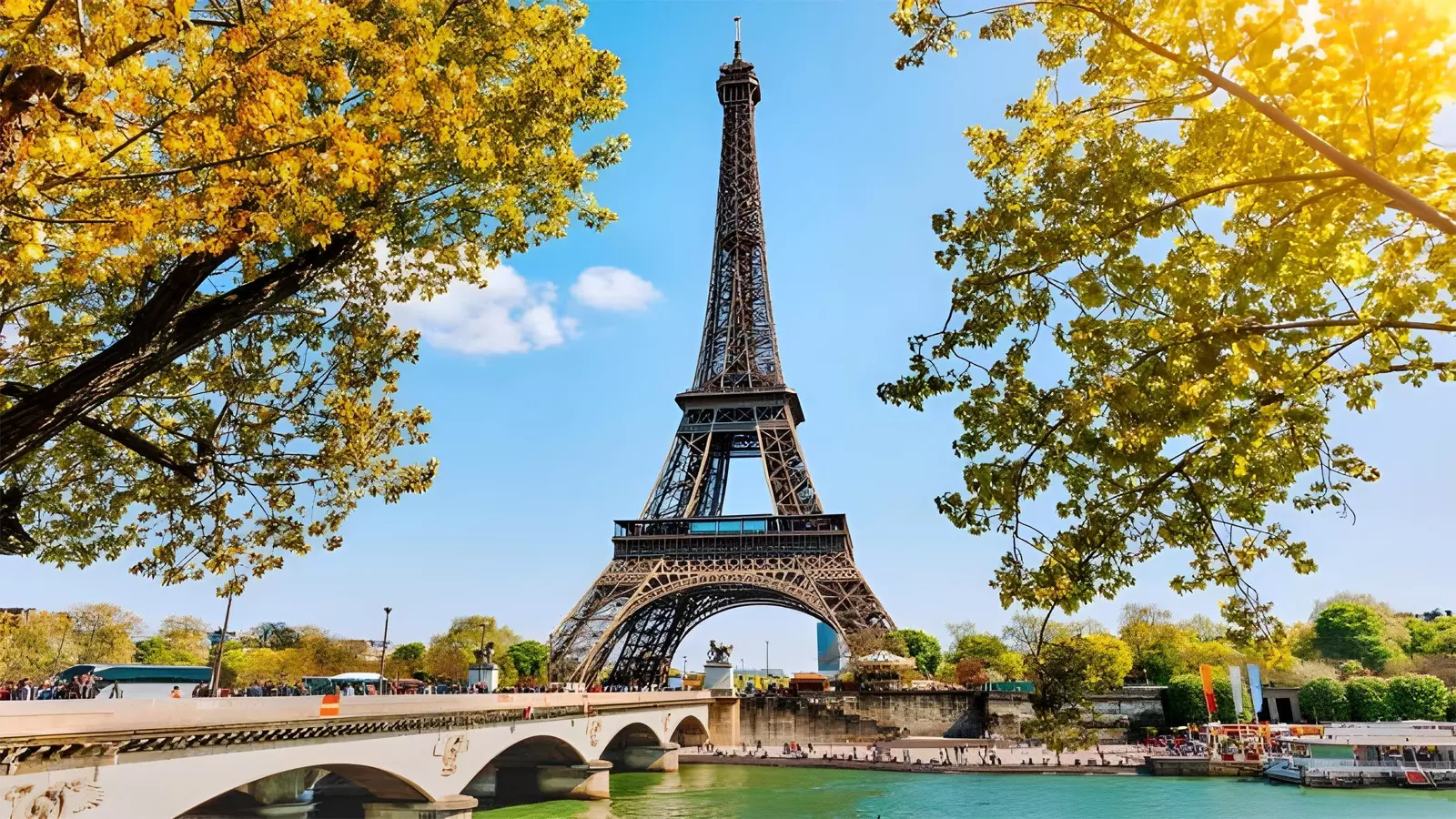
Eiffel Tower, Paris | Image by Arrangement
A first trip to Europe often carries outsized expectations. For many Indian travellers, it is the longest and most expensive holiday they will plan, and the one they feel must justify itself by covering as much as possible.
That expectation is what leads to the most common and most expensive mistakes.
Post-pandemic, Europe travel leaves far less room for error, and small planning gaps now carry real consequences. Limited availability across trains, hotels and attractions, combined with tighter schedules, means even small planning mistakes can have a much bigger impact. What previously caused mild inconvenience can now affect cost, energy levels and overall trip satisfaction.
Here are the errors that show up most consistently on first-time Europe trips and why they matter more today than they did even five years ago.
1. Treating Europe as a Single Destination
One of the most fundamental mistakes first-time travellers make is approaching Europe as though it were one cohesive trip.
In reality, Europe is a collection of regions with distinctly different travel rhythms. Alpine countries, Southern Europe and Northern Europe vary in how far you travel, how you move around and how much effort each day requires.
When the same planning logic is applied to Paris, Switzerland and Italy, the result is often uneven structuring. Travellers often end up with tightly packed city days, while scenic regions are rushed through or not explored properly.
Why this matters more today:
With tighter transport availability and reduced buffers in accommodation, these structural mismatches surface faster. Correcting them mid-trip is now significantly more expensive and disruptive than it was even five years ago.
2. Overpacking Itineraries to “Maximise Value”
Many first-time travellers measure value by how many cities or countries they can include. The result is itineraries built around frequent hotel changes, overnight transfers and tightly scheduled travel days.
What often goes unnoticed is the cost of constant movement. Packing, check-outs, transit uncertainty, luggage handling and adjusting to a new city all consume time and energy. Over a 10–12 day trip, these small frictions add up quickly.
Travellers may cover more ground on paper, but their actual time spent meaningfully experiencing each place becomes limited.
3. Underestimating How Physically Demanding Europe Is
Europe itineraries often appear leisurely in photographs. On the ground, they are physically intensive.
Historic city centres require extensive walking, major attractions are spread out, and even “light” sightseeing days routinely involve 15,000-20,000 steps. Add staircases, cobbled streets, train platforms, early departures and late hotel arrivals, and cumulative fatigue builds quickly.
First-time travellers frequently plan based on visual appeal as to what they want to see, rather than physical sustainability and what they can comfortably sustain for 10–12 consecutive days.
The strain rarely shows up immediately. It compounds.
Why this becomes visible mid-trip:
Fatigue does not disrupt Day 1. It surfaces around Day 6 or 7, when the itinerary remains aggressive but energy levels drop. At that point, adjustments become reactive, including skipped attractions, paid shortcuts, or reduced engagement with experiences already paid for.
The miscalculation is not about fitness. It is about underestimating the physical baseline Europe travel requires.
4. Assuming Flexibility Works the Same Way It Does in Asia
Many Indian travellers are accustomed to destinations where plans can be adjusted with minimal issues. Southeast Asia, for instance, often allows last-minute hotel changes, walk-in attractions and easily available transport alternatives.
However, Europe operates differently.
Train seats operate within fixed capacity, major attractions follow timed-entry systems, and hotel check-ins adhere to strict policies. Itineraries designed with loose assumptions such as “we’ll book later” or “we’ll decide that day” can quickly lead to higher last-minute prices or complete unavailability.
Ironically, plans that appear flexible on paper often become the most expensive to fix in reality.
Post-COVID, as demand has intensified during peak periods, Europe leaves little room for loose planning.
5. Choosing Hotels Far from City Centres to Save Money
To manage budgets, first-time travellers often select hotels outside city centres, assuming public transport will offset the distance.
The financial saving is visible upfront. The daily commute cost is not.
The time lost each morning and evening, increased reliance on taxis when schedules slip, and added stress when connections are missed create the real hassle. Over several days, these hidden expenses can quietly outweigh the initial savings on accommodation.
There is also an opportunity cost. Time spent commuting is time not spent exploring, resting or absorbing the destination.
Well-located hotels may seem more expensive upfront, but they frequently lower overall trip costs by reducing corrective transport, saving time and preserving energy.
6. Choosing Short-Haul Flights Over Trains Without Full Comparison
Flights within Europe are often used to compress itineraries. On paper, they appear time-efficient, and a one-hour flight seems faster than a three- or four-hour train ride.
However, the comparison is misleading.
Air travel involves airport transfers, early arrival requirements, security queues, baggage constraints and higher delay volatility. Door-to-door, short-haul flights frequently consume more time than high-speed rail, particularly for routes under four hours by train.
Trains, by contrast, operate from city centre to city centre, require minimal pre-boarding buffer and allow greater luggage flexibility. They reduce transition friction rather than amplify it.
This is why experienced planners increasingly treat rail not just as transport, but as a way to keep schedules steady. It preserves predictability, which is a factor that becomes critical in tightly structured itineraries.
7. Underestimating the Operational Impact of Seasonality
Most first-time travellers think of seasonality mainly in terms of temperature.
What they often overlook is its impact on crowds, pricing and overall feasibility. Peak summer months amplify every weakness in a rushed itinerary. These include everything from queues growing longer and timed-entry slots selling out faster to transport becoming congested and correction costs rising as alternatives shrink.
By contrast, shoulder seasons are more comfortable. Crowds are lighter, transport buffers are easier to manage, and tightly packed plans face fewer issues.
The mistake is not travelling in summer. It is failing to adjust pacing and expectations to match the intensity of the season.
8. Believing the First Europe Trip Must “Cover Everything”
There is strong psychological pressure to treat the first Europe trip as the only one. That belief drives overambitious planning with more cities, tighter sequencing, and fewer rest windows.
Experience, however, tells a different story.
Aggregated itinerary structures and post-trip feedback analysed by Thrillophilia, which operates Europe trips at scale, show that travellers report the highest satisfaction in parts of the trip where they stayed longer, not where they moved faster.
Repeat travellers almost always reduce the number of cities visited on subsequent visits, even when their budgets increase.
The recalibration is not driven by cost constraints. It is driven by learning.
Experience shifts the travel model from coverage to depth.
What First-Time Travellers Realise Only After Returning
The most consistent learning curve in Europe travel is simple: travellers appreciate depth only after attempting breadth.
First-trip mistakes are rarely caused by a lack of information. They stem from applying the wrong optimisation logic to a destination that has undergone structural changes.
Europe today rewards:
● Fewer bases
● Realistic pacing
● Smooth travel between cities
● Invisible buffers built into the schedule
Trips designed this way may appear smaller on a map, but they consistently deliver stronger memories, lower stress and higher overall satisfaction.
For Indian travellers planning their first Europe trip, the central question is no longer “How much can I cover?”
It is “How much of it will I actually enjoy?”
For a deeper breakdown of how itinerary structure, pacing and transport choices affect real-world experience, a detailed Europe travel planning guide for Indian travellers examines what works and what quietly fails.
( Source : Deccan Chronicle )

Next Story