Travel India: Most Pictorial Vande Bharat Train Routes for Scenic Exploration

24 Feb 2026 4:30 PM IST24 Feb 2026 4:30 PM IST
As of February 2026,there are 164 Vande Bharat train services operational across India, covering 274 districts and enhancing inter-city connectivity, bringing big reforms in Indian Railways with a target of 4,500 trainsets by 2047.
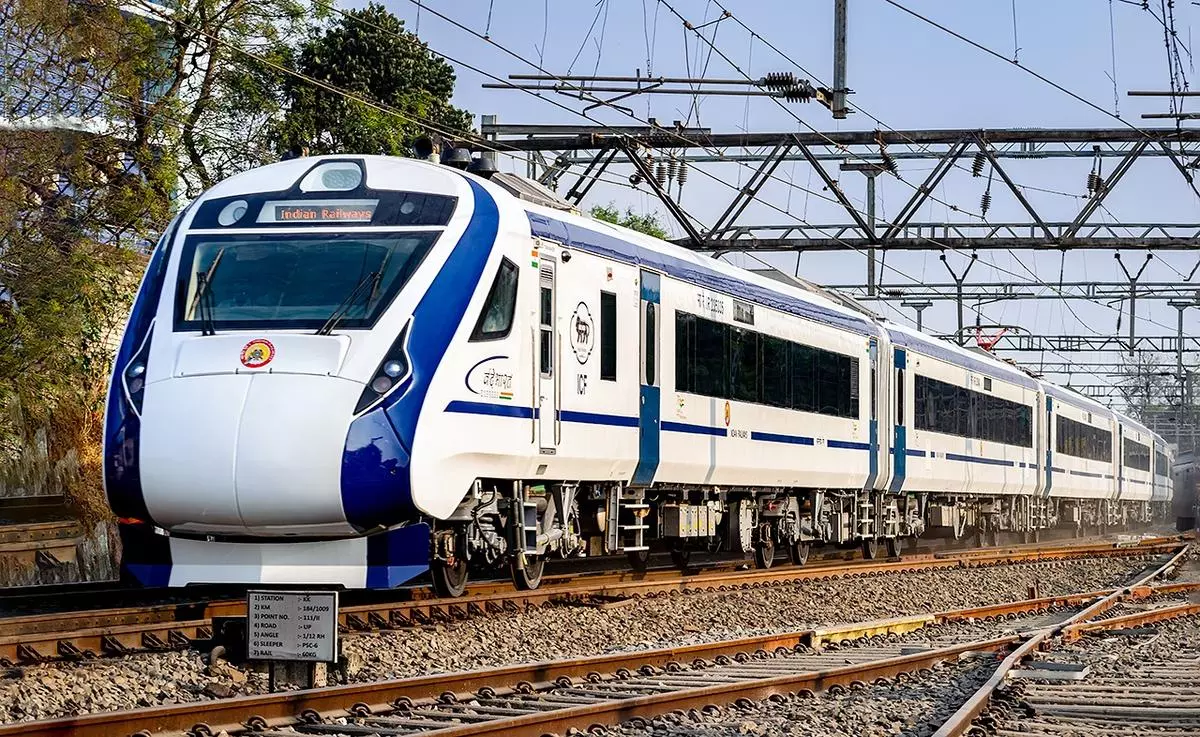
Vandebharat Train
Summary is AI-generated, newsroom-reviewed
By Aditya Kumar Singh
Vande Bharat Express trains provide premium, semi-high speed travel on 82 routes across the country, ideal for scenic exploration with large panoramic windows. These routes highlight dramatic landscapes from Himalayas to coasts, blending comfort with breathtaking views. As of February 2026,there are 164 Vande Bharat train services operational across India, covering 274 districts and enhancing inter-city connectivity, bringing big reforms in Indian Railways with a target of 4,500 trainsets by 2047.
The train in its journey covers some of the most picturesque routes in the country. These trains are famous for their rapid acceleration, aerodynamic design, superior passenger comfort and automatic doors. The train gives stunning and scenic experiences without the need for sacrificing one's own comfort and time. It also has special services like Wi-Fi, reclining seats and CCTV. Here is the list of some of the most pictorial train routes for scenic exploration:
Mumbai CSMT to Kolhapur:
The train covers the routes of Mumbai Chhatrapati Shivaji Maharaj Terminus, Dadar, Thane, Kalyan, Pune, Satara, Karad, Mirad Junction and Kolhapur. The train covers a distance of around 500 kilometers with eight hours of average time with a capacity of 550 passengers per train. The route gives a deep dive into the landscape of Western Ghats, cutting inland through the middle of the mountain passing through misty hills, green valleys, and tunnels carved with stones.
Monsoon is the best time for travel which is filled with waterfalls and lush-green forests, when it is operating on a scenic route through the Sahyadri ranges. It is special for travelling deep in western ghats with valleys filled with mists. It also links the famous Mahalaxmi Temple and the Industrial town of Miraj. The scenery changes very fast from rice paddy fields to the historical forts and dramatic scenery of the Deccan plateau.
New Delhi to Dehradun:
It is special for its connectivity through the Himalayan foothills. It covers 300 kilometers of route, reducing the travel time between Delhi (Anand Vihar) and Dehradun under 5 hours.
The route offers scenic views of the transitioning landscape from the plains to the Shivalik foothills. This route is a gateway to the Himalayas. The landscape begins to rise near the Haridwar Jn, covering Roorkee, Saharanpur, Deoband, Muzaffarnagar, and the city of Meerut. Monsoon is the best time for travelling from the month of March to November, as the Snow-capped peaks of the Himalayas are also visible.
Vaishno Devi Shrine Katra to Srinagar:
Special for covering the routes through the valleys of Kashmir, giving a scenic experience of the beauty of Kashmir. The train starts from Mata Vaishno Devi shrine Katra covering around 270 kilometers of distance in a 3 hours journey to Kashmir, Srinagar. With operation being designed for extreme cold weather down to -30 degree celsius, with specialisation in defrosted windshields and heating systems.
The Speciality of this express is that it covers the Engineering marvel of Chenab Bridge, which is the world’s highest rail bridge standing 359 meters above the riverbed taller than the Eiffel Tower. The route also covers the famous Banihal Tunnel through the Pir Panjal range. The Journey offers stunning, Panoramic views of the Himalayan landscape. It also connects with the tourism spots of Srinagar. The best time for travelling is around the summers of March to October when the snows are melted and scenery is clear to view.
Mumbai CSMT to Madgaon:
The route covers around 580 Kilometers of the distance with a scenic journey through the western ghats, and coastal views connecting Mumbai and Goa in 7 hours and 45 minutes. Some of the special features are executive class seating and large windows for scenic views of the Konkan coast. The train reduces the travel time between Mumbai and Goa compared to the traditional ones.
The train travels through the Konkan region, offering breathtaking views of the tunnels, bridges, and lush green landscapes especially during the monsoon. The train covers the stations of Dadar, Thane, Panvel, Khed, Ratnagiri, Kankavali, and Thivim. Monsoon is the best time to plan this journey as the sky gets more clear especially during the time of November to march.
Chennai to Mysore:
The Express covers around the distance of 502 Kilometers in the states of Tamil Nadu and Karnataka in just 6 hours and 50 minutes. The speciality of this route is that it covers the scenery of Kerala-like coconut groves, backwaters of Karnataka, coastal area views, and temple towns in tropical areas of Tamil Nadu.
It connects Chennai's bustle to Bengaluru’s tech hubs and Mysuru’s heritage sites through diverse south indian landscapes. The train starts from Chennai central covering Perambur suburbs, Veppampattu Paddy fields, and Katpadi’s rural outskirts., including the lush farmlands, and temple spires across the tropical greenery. Monsoon during the months of June and September makes everything even greener with heavy rains.
Vande Bharat Express trains provide premium, semi-high speed travel on 82 routes across the country, ideal for scenic exploration with large panoramic windows. These routes highlight dramatic landscapes from Himalayas to coasts, blending comfort with breathtaking views. As of February 2026,there are 164 Vande Bharat train services operational across India, covering 274 districts and enhancing inter-city connectivity, bringing big reforms in Indian Railways with a target of 4,500 trainsets by 2047.
The train in its journey covers some of the most picturesque routes in the country. These trains are famous for their rapid acceleration, aerodynamic design, superior passenger comfort and automatic doors. The train gives stunning and scenic experiences without the need for sacrificing one's own comfort and time. It also has special services like Wi-Fi, reclining seats and CCTV. Here is the list of some of the most pictorial train routes for scenic exploration:
Mumbai CSMT to Kolhapur:
The train covers the routes of Mumbai Chhatrapati Shivaji Maharaj Terminus, Dadar, Thane, Kalyan, Pune, Satara, Karad, Mirad Junction and Kolhapur. The train covers a distance of around 500 kilometers with eight hours of average time with a capacity of 550 passengers per train. The route gives a deep dive into the landscape of Western Ghats, cutting inland through the middle of the mountain passing through misty hills, green valleys, and tunnels carved with stones.
Monsoon is the best time for travel which is filled with waterfalls and lush-green forests, when it is operating on a scenic route through the Sahyadri ranges. It is special for travelling deep in western ghats with valleys filled with mists. It also links the famous Mahalaxmi Temple and the Industrial town of Miraj. The scenery changes very fast from rice paddy fields to the historical forts and dramatic scenery of the Deccan plateau.
New Delhi to Dehradun:
It is special for its connectivity through the Himalayan foothills. It covers 300 kilometers of route, reducing the travel time between Delhi (Anand Vihar) and Dehradun under 5 hours.
The route offers scenic views of the transitioning landscape from the plains to the Shivalik foothills. This route is a gateway to the Himalayas. The landscape begins to rise near the Haridwar Jn, covering Roorkee, Saharanpur, Deoband, Muzaffarnagar, and the city of Meerut. Monsoon is the best time for travelling from the month of March to November, as the Snow-capped peaks of the Himalayas are also visible.
Vaishno Devi Shrine Katra to Srinagar:
Special for covering the routes through the valleys of Kashmir, giving a scenic experience of the beauty of Kashmir. The train starts from Mata Vaishno Devi shrine Katra covering around 270 kilometers of distance in a 3 hours journey to Kashmir, Srinagar. With operation being designed for extreme cold weather down to -30 degree celsius, with specialisation in defrosted windshields and heating systems.
The Speciality of this express is that it covers the Engineering marvel of Chenab Bridge, which is the world’s highest rail bridge standing 359 meters above the riverbed taller than the Eiffel Tower. The route also covers the famous Banihal Tunnel through the Pir Panjal range. The Journey offers stunning, Panoramic views of the Himalayan landscape. It also connects with the tourism spots of Srinagar. The best time for travelling is around the summers of March to October when the snows are melted and scenery is clear to view.
Mumbai CSMT to Madgaon:
The route covers around 580 Kilometers of the distance with a scenic journey through the western ghats, and coastal views connecting Mumbai and Goa in 7 hours and 45 minutes. Some of the special features are executive class seating and large windows for scenic views of the Konkan coast. The train reduces the travel time between Mumbai and Goa compared to the traditional ones.
The train travels through the Konkan region, offering breathtaking views of the tunnels, bridges, and lush green landscapes especially during the monsoon. The train covers the stations of Dadar, Thane, Panvel, Khed, Ratnagiri, Kankavali, and Thivim. Monsoon is the best time to plan this journey as the sky gets more clear especially during the time of November to march.
Chennai to Mysore:
The Express covers around the distance of 502 Kilometers in the states of Tamil Nadu and Karnataka in just 6 hours and 50 minutes. The speciality of this route is that it covers the scenery of Kerala-like coconut groves, backwaters of Karnataka, coastal area views, and temple towns in tropical areas of Tamil Nadu.
It connects Chennai's bustle to Bengaluru’s tech hubs and Mysuru’s heritage sites through diverse south indian landscapes. The train starts from Chennai central covering Perambur suburbs, Veppampattu Paddy fields, and Katpadi’s rural outskirts., including the lush farmlands, and temple spires across the tropical greenery. Monsoon during the months of June and September makes everything even greener with heavy rains.
This article is written by Aditya Kumar Singh
( Source : Deccan Chronicle )

Next Story