Israel Tourism Records Measured Recovery in 2025, Prepares for Expansion in 2026

From the Indian market, the Ministry reported positive growth in tourist arrivals, reflecting a gradual return of outbound interest as travel advisories eased and connectivity improved.
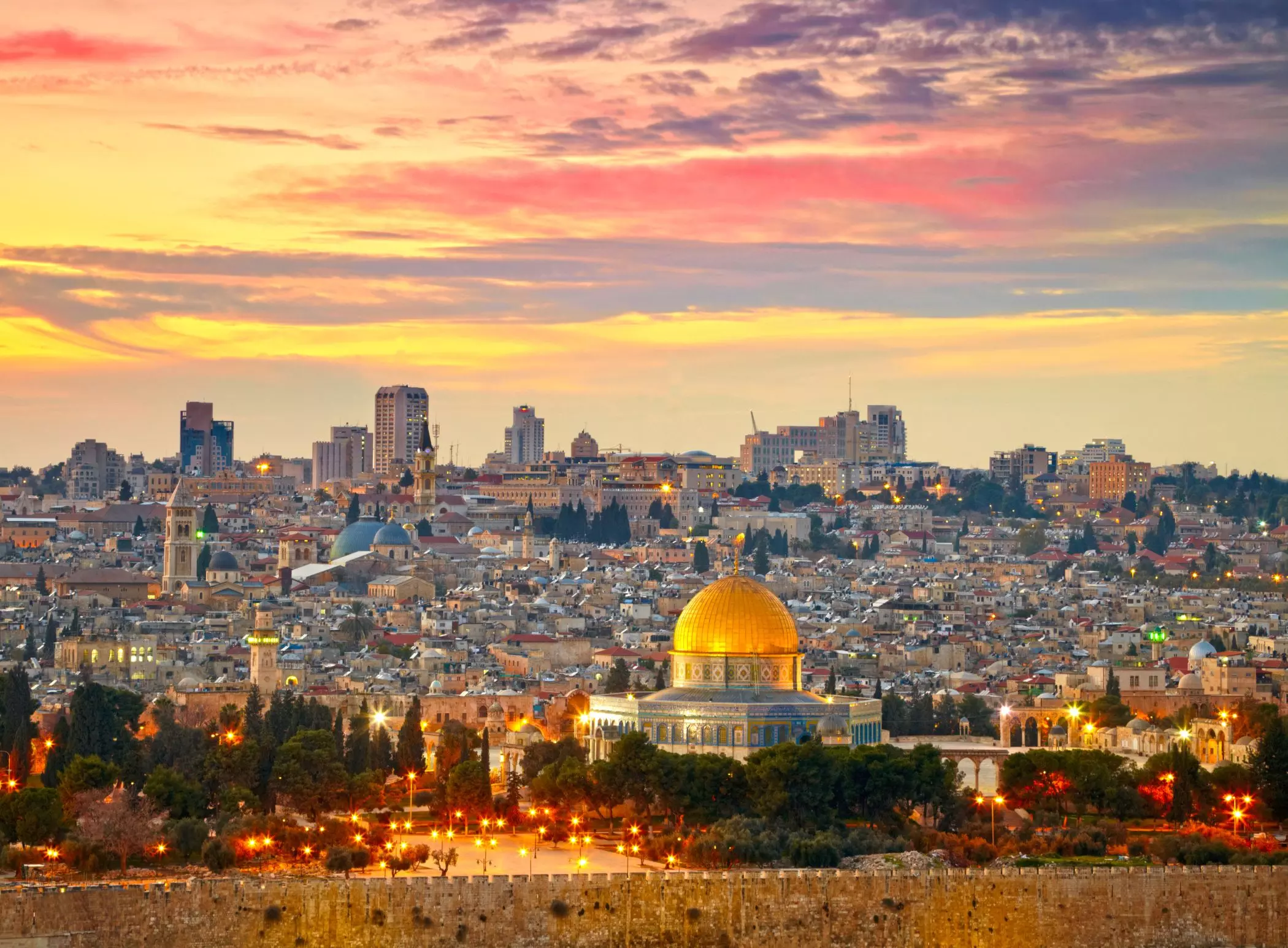
Israel’s tourism sector closed 2025 with approximately 1.3 million international arrivals, signalling the beginning of a recovery despite a challenging security environment. The United States emerged as the largest source market with around 400,000 visitors, followed by France (approximately 159,000) and the United Kingdom (around 95,000), together accounting for about 55 percent of inbound travel.
From the Indian market, the Ministry reported positive growth in tourist arrivals, reflecting a gradual return of outbound interest as travel advisories eased and connectivity improved.
Visiting friends and relatives remained the leading reason for travel, underscoring the strong emotional and community ties to the destination. Visitor sentiment remained resilient, with 88 percent reporting high satisfaction and 83 percent stating they would recommend Israel as a destination.
Domestic tourism played a critical stabilising role throughout the year. By the end of the third quarter, Israelis recorded over 13 million hotel overnight stays, supporting hotel occupancy and tourism employment nationwide.
Insights from the Ministry’s inbound tourism survey point to shifts in visitor composition and behaviour. The proportion of Jewish visitors declined to 51 percent, while pilgrimage travel increased to 9 percent. Average tourist expenditure rose to USD 1,622 per person (excluding flights), even as the average length of stay adjusted to 9.3 nights. Business travel also strengthened, accounting for 12 percent of visits.
Alongside recovery efforts, the Ministry of Tourism focused on long-term capacity building. Key initiatives during the year included planning reforms allowing mixed-use development in hotel-designated zones, the establishment of “The Lighthouse” as a single-window support system for tourism entrepreneurs, and targeted grants to expand and refurbish hotel infrastructure.
With travel advisories easing and flight connectivity gradually returning, including Air India’s direct Delhi–Tel Aviv service, which is expected to strengthen access from India further, the Ministry has outlined a forward-looking agenda for 2026, centred on increased international marketing, continued infrastructure investment, and the integration of digital and artificial intelligence-led tools into tourism development and promotion.
