The Five-Star Hotel That Removed Refrigerators From Guest Rooms

Before sustainability became a buzzword, The Orchid Hotel Mumbai was experimenting with it. Here are lessons from an early ecotel in India
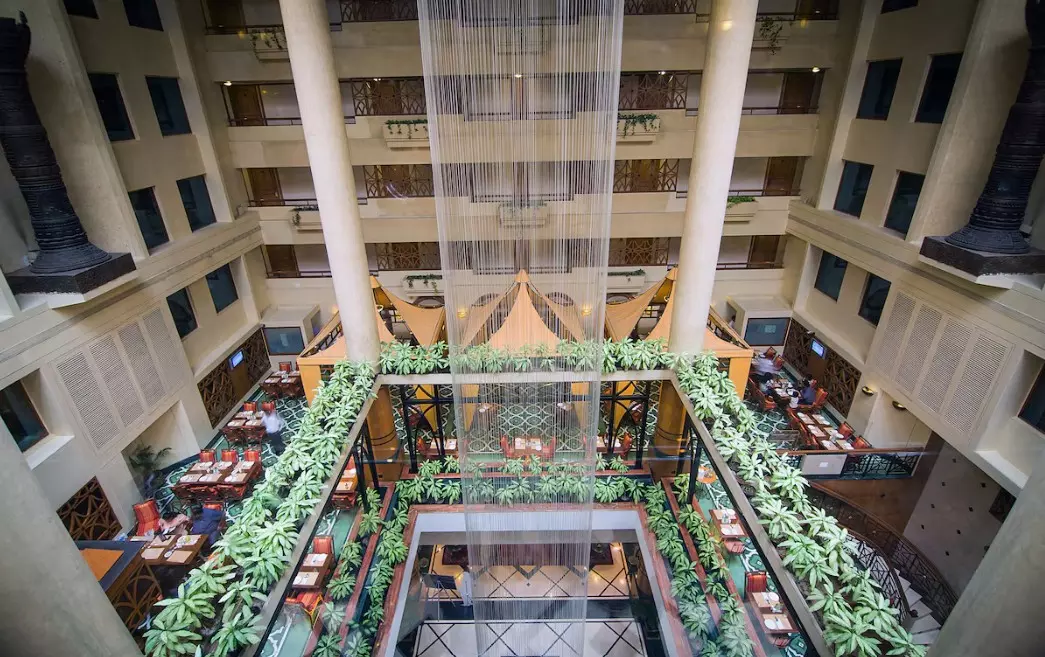
At a time when hotels compete over bigger televisions, elaborate minibars and increasingly extravagant amenities, one Mumbai hotel quietly removed refrigerators from its guest rooms.
The decision was not driven by cost-cutting. It was part of a larger experiment that began long before sustainability became a fashionable talking point in the hospitality industry.
Varun Sahani, SVP Operations of Kamat Hotels India Limited
“We removed all our refrigerators in the rooms,” says Varun Sahani, Senior Vice President of Kamat Hotels India Ltd. “Today nobody even asks us that we don’t have a refrigerator. Even if we can save a bit of carbon emission, we will have to do it.”
The move at The Orchid Hotel Mumbai was not without resistance. Guests had grown accustomed to finding mini fridges in hotel rooms, particularly in the five-star segment. But the hotel persisted, convinced that certain industry norms deserved to be questioned.
For Varun, the larger issue is that hospitality often mistakes excess for comfort.
“Luxury is food the way it is served. Luxury is your room the way it is neat and clean. Luxury is your air conditioning which works properly. Luxury today is Wi-Fi which is non-stop and uninterrupted. A neat clean toilet and warm water when you need it. This overall wraps into what you call a luxury stay.”
That philosophy extends beyond refrigerators. The hotel has reduced water flow through showers and taps, installed aerators, shifted to glass bottles instead of plastic, and operates rooms on energy-saving settings designed to reduce electricity consumption without significantly affecting guest comfort.
Yet the most ambitious part of its environmental effort lies far from guest corridors and lobby spaces.
Behind the scenes, the hotel has been working towards something it describes as a zero-garbage operation.
“We don’t have any wet waste going out of the hotel,” says Varun, adding, “It’s a zero garbage hotel, let me say, and we really believe in that.”
Every day, food scraps and organic waste are diverted into an on-site vermicomposting system. The compost produced is used within the property and also supplied for greening projects outside. Waste segregation begins at source, with separate bins for different categories of refuse. Employees are repeatedly trained in waste management practices and food wastage reduction.
The effort extends to the staff cafeteria as well.
“We don’t have bins in our cafeterias. Nobody is allowed to throw food. You have to consume what you take on your plate.”
For a hotel that operates round the clock, reducing food wastage requires constant planning. The kitchens and restaurants run almost continuously, allowing ingredients and prepared food to be used efficiently across services. What cannot be consumed and cannot be stored eventually enters the composting cycle.
The hotel’s sustainability story also reflects changing attitudes among travellers. According to Varun, younger guests increasingly ask how they can participate in environmental initiatives during their stay.
“People come to our lobby and say, what can I do to be part of your eco exercise? The young generation wants to be part of anything which helps the environment.”
The property’s environmental credentials may be one reason it has attracted some notable guests over the years. Among its most unusual stories is a suite named after the Dalai Lama, who stayed there during visits to Mumbai.
“We have been blessed because he’s been here both the times,” recalls Varun. “Somehow he feels this place gives him positive vibes.”
The Tibetan spiritual leader’s second visit left a lasting impression on the hotel. The suite he occupied was preserved and eventually came to be known as the Dalai Lama Suite. For staff members, it remains one of the property’s most cherished memories.
That anecdote sits comfortably alongside the hotel’s broader philosophy. Neither is really about grandeur. One is a room remembered because of who stayed in it. The other is a sustainability programme built around small operational choices that most guests never see.
The sustainability efforts extend beyond the hotel building itself. Kamat Hotels has been steadily expanding its electric vehicle fleet across properties in different parts of the country, including destinations such as Manali and Shimla where EV infrastructure is still evolving. According to Varun Sahani, the group currently operates 28 electric vehicles and plans to add 16 more as it expands. “We believe what we talk. If we are talking sustainability in Mumbai, it has to be reflected everywhere. Guests today are very inquisitive and they travel. They expect to see the same ethos across our hotels,: he says.
The EV fleet is increasingly being used for guest transportation, reflecting a wider shift within the hospitality industry towards lower-emission mobility solutions.
In an industry often defined by visible luxury, perhaps the more interesting story lies in what is deliberately absent. A missing refrigerator. A discarded plastic bottle. A dustbin that never receives food waste.
None of them are headline-grabbing on their own. Together, they reveal a different way of thinking about hospitality, one that asks whether comfort and consumption always have to go hand in hand.
